








What's Happening?
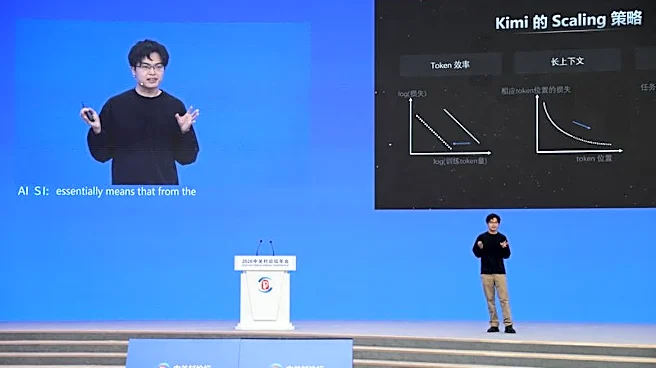
The US semiconductor sector is experiencing a significant downturn as Chinese AI advancements and geopolitical tensions impact investor confidence. A new AI model, Kimi K3, developed by Chinese startup Moonshot, is causing concern among US investors due
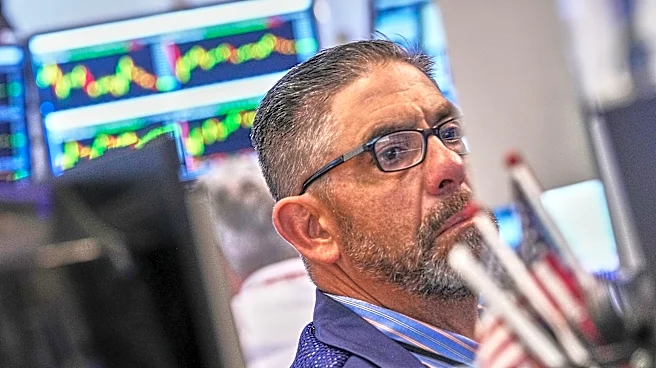
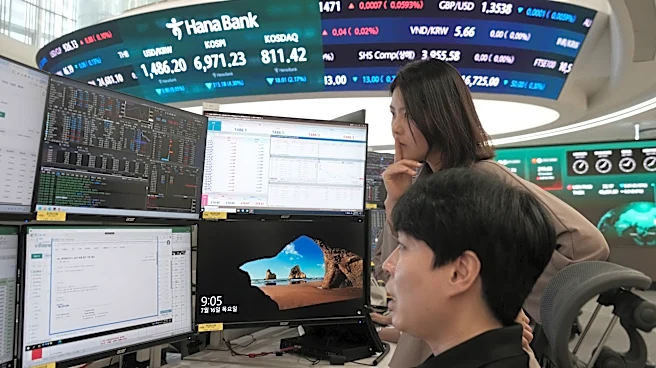
to its potential to rival advanced models from companies like OpenAI and Anthropic. This development has contributed to a sell-off in the chip sector, with the Philadelphia Semiconductor Index falling by 4% on Friday. The index is now down 19% from its recent peak, approaching a technical bear market. Additionally, Taiwan Semiconductor Manufacturing's decision to increase its global capital budget by 14% to $64 billion has further fueled investor anxiety about the returns on AI investments. The broader tech sector is also affected, with major indices like the Nasdaq 100 experiencing significant declines.
Why It's Important?
The decline in US semiconductor stocks highlights the growing competition between the US and China in the AI sector. The emergence of competitive Chinese AI models like Kimi K3 suggests a narrowing gap between American and Chinese AI capabilities, which could have long-term implications for US tech dominance. The increased capital expenditure by companies like Taiwan Semiconductor Manufacturing reflects the high stakes involved in maintaining a competitive edge in AI technology. However, investor concerns about the profitability of these investments could lead to reduced funding for AI development, potentially slowing innovation. The geopolitical tensions, particularly the breakdown of the ceasefire with Iran, add to the uncertainty, as they could lead to higher energy prices and inflation, further impacting the tech sector.
What's Next?
The semiconductor sector may continue to face volatility as investors reassess the risks and rewards of AI investments. Analysts suggest that the current sell-off could either present a buying opportunity or lead to further declines if investor sentiment does not improve. The ongoing geopolitical tensions, particularly in the Middle East, could exacerbate market instability, affecting energy prices and inflation. Companies in the semiconductor industry may need to navigate these challenges by balancing investment in AI technology with shareholder expectations for returns. The US government may also consider policy measures to support the domestic tech industry in light of increasing competition from China.