






What's Happening?
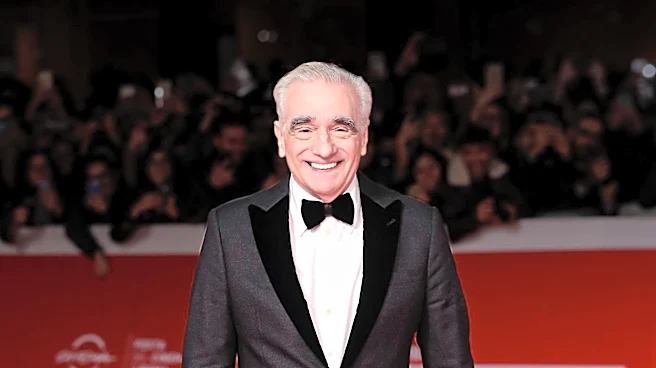
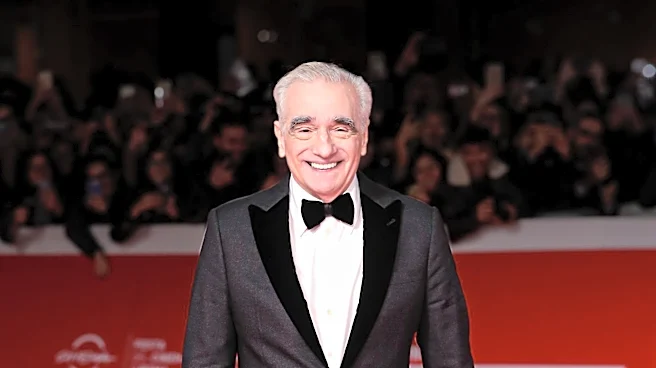
Renowned director Martin Scorsese has revealed that his planned film about Cleopatra, starring Angelina Jolie, was ultimately canceled due to the fallout from the 2014 Sony Pictures cyberattack. Scorsese humorously attributed the project's demise to Seth
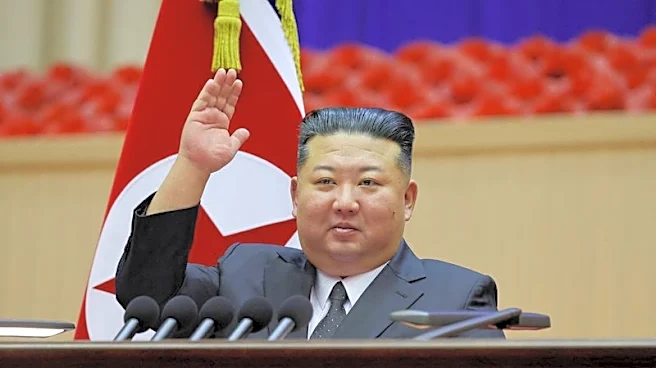
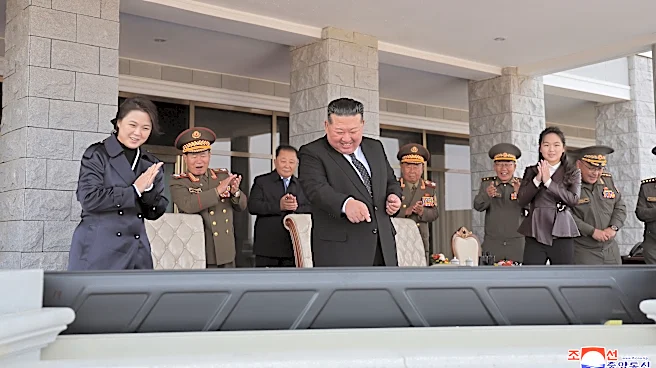
Rogen's controversial comedy, 'The Interview,' which depicted a fictional assassination plot against North Korean leader Kim Jong Un. The release of 'The Interview' provoked a strong reaction from North Korea, leading to a significant hacking incident at Sony Pictures. This cyberattack resulted in the theft and public release of private emails, confidential data, and internal documents, causing widespread disruption within the studio. Scorsese stated that the incident, which he described as Kim Jong Un getting 'mad and blew up everybody at Columbia,' directly impacted the production of his Cleopatra epic, which was in its final stages of preparation with Angelina Jolie cast in the lead role.
Why It's Important?
The cancellation of Martin Scorsese's Cleopatra film highlights the far-reaching and unpredictable consequences of geopolitical tensions on the entertainment industry. The Sony Pictures hack, triggered by a controversial film, demonstrated the vulnerability of major studios to cyber warfare and the potential for international incidents to disrupt large-scale productions. This event underscored the complex interplay between artistic freedom, national security, and corporate operations. For Hollywood, it served as a stark reminder of the need for robust cybersecurity measures and the potential financial and reputational risks associated with content that touches on sensitive international political figures. The incident also exposed internal studio dynamics and private communications, leading to further scrutiny of executive relationships and decision-making processes within the industry.
What's Next?
While the specific Cleopatra project under Scorsese's direction is no longer active, the broader implications of the Sony hack continue to influence how studios approach content creation and cybersecurity. The incident prompted increased investment in digital security infrastructure across Hollywood to prevent similar breaches. Future productions dealing with sensitive political themes are likely to undergo more rigorous risk assessments regarding potential international backlash and cyber threats. The event also contributed to ongoing discussions within the industry about the balance between creative expression and potential geopolitical repercussions. Directors and studios may exercise greater caution when developing projects that could provoke state-sponsored retaliation, leading to a more conservative approach in certain thematic areas.
Beyond the Headlines
The Sony Pictures hack and its impact on Scorsese's Cleopatra project reveal deeper ethical and legal dimensions concerning corporate responsibility in the face of cyber threats and artistic freedom. The incident raised questions about who bears ultimate responsibility when a film's content leads to international cyberattacks and significant corporate damage. It also highlighted the precarious position of artists and studios caught between creative impulses and the potential for state-level retaliation. Culturally, the event underscored the global reach and influence of American entertainment, demonstrating how a single film can become a flashpoint in international relations. The long-term shift could involve a more cautious approach to satire and political commentary in mainstream cinema, as studios weigh the creative vision against potential security risks and financial losses.