






What's Happening?
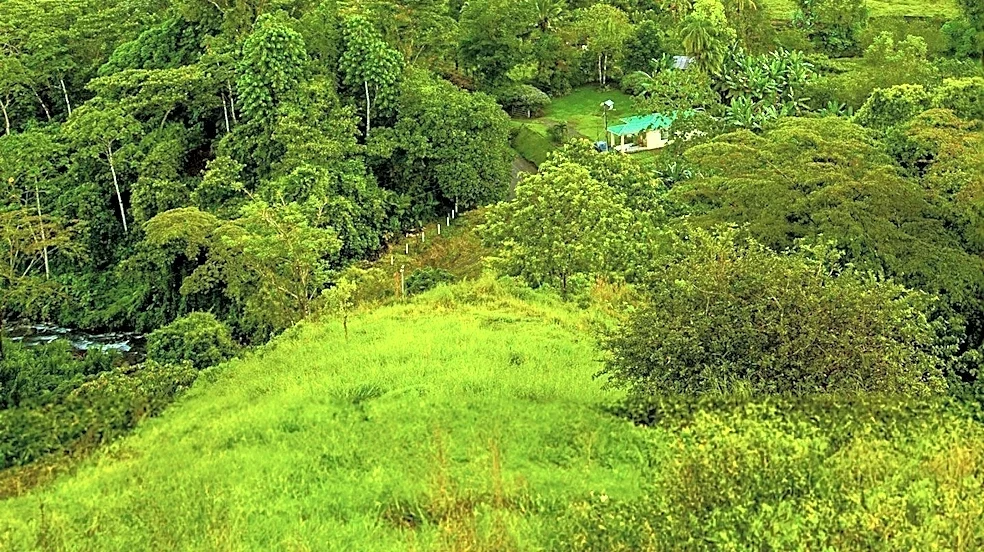
Costa Rica is highlighted as a prime destination for soft adventure travel, offering a blend of heart-pumping activities and tranquil nature experiences. The Northern Plains, with Arenal Volcano as its centerpiece, provides opportunities for volcano hikes,
relaxing in geothermal hot springs, and birdwatching, with over 350 bird species, including toucans. The country's diverse regions cater to various interests: the Northern Pacific is popular for surfing and beach activities, while the Caribbean coast offers snorkeling and cultural experiences with Indigenous and Afro-Caribbean influences. The South Pacific is noted for wildlife encounters, including whale watching and trekking through Corcovado National Park, one of the most biodiverse places globally. Even the capital, San José, and the Central Valley provide historic walking tours and culinary experiences, alongside day trips to volcanoes and cloud forests.
Why It's Important?
The emphasis on soft adventure travel in Costa Rica reflects a growing trend in the tourism industry towards experiences that combine physical activity with cultural immersion and nature appreciation, without the extreme risks of traditional adventure sports. This approach broadens the appeal of destinations to a wider demographic, including families and those seeking a more relaxed yet engaging vacation. For the U.S. tourism market, Costa Rica's accessibility and diverse offerings make it an attractive option, potentially boosting travel and related economic activities. The focus on sustainable tourism and wildlife conservation also aligns with increasing consumer demand for responsible travel, contributing to the long-term viability of the local ecosystem and economy. The country's 'Pura Vida' mindset, emphasizing optimism and appreciation, enhances the overall visitor experience, fostering repeat tourism and positive word-of-mouth.
What's Next?
Travelers planning a trip to Costa Rica are advised to consider their interests and budget, as the 'best time' to visit varies. The dry season (December to April) on the Pacific coast typically sees higher prices and larger crowds, while the rainy season (May to November), also known as the green season, offers discounts on accommodations and tours. The Caribbean coast has different dry periods in February-March and September-October. Visitors are encouraged to build itineraries around one or two regions to save time, given the challenging road conditions. Renting a car is common, but shared shuttles and small aircraft are also options for getting around. Future developments will likely continue to focus on enhancing eco-tourism infrastructure and promoting regional diversity to cater to the evolving preferences of soft adventure travelers.
Beyond the Headlines
The 'Pura Vida' philosophy deeply embedded in Costa Rican culture extends beyond a simple greeting; it represents a national mindset of optimism and appreciation for the present moment. This cultural aspect significantly enhances the soft adventure travel experience, encouraging visitors to slow down and connect with nature and local life. The country's commitment to preserving its natural environment, evident in its numerous national parks and conservation efforts, highlights a broader ethical dimension of tourism. By offering experiences like birdwatching and volcano hikes, Costa Rica not only provides recreational opportunities but also fosters environmental awareness and appreciation among tourists. This model of tourism can serve as a blueprint for other nations looking to balance economic development with ecological preservation and cultural authenticity.