







What's Happening?
Experts are recommending that U.S. homeowners declutter specific areas of their homes before spring arrives. According to Nashville-based professional organizer Lauren Henderson, winter naturally leads to an accumulation of items due to increased indoor
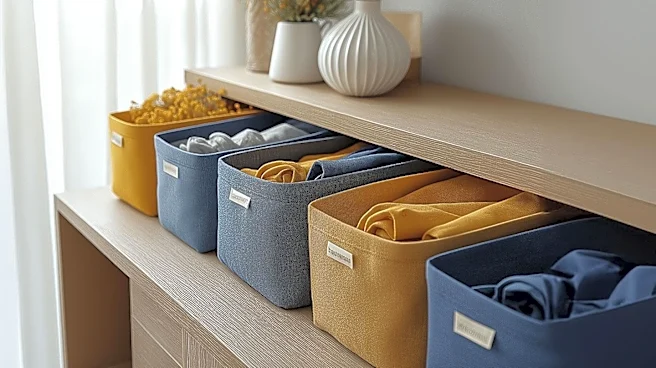
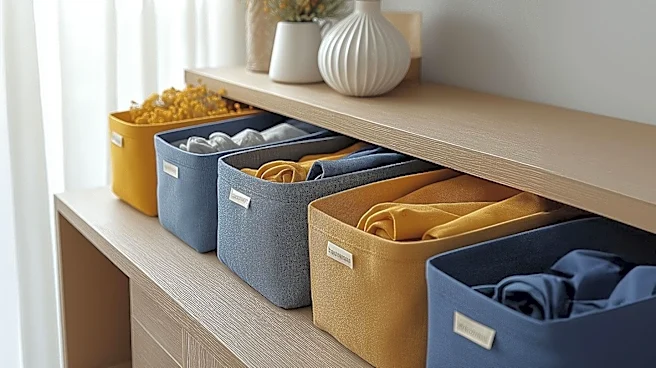
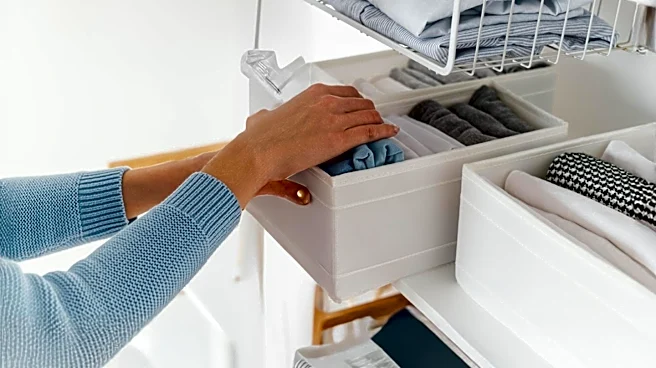
time, holiday gifts, and winter gear. Tara Bremer, Founder and CEO of House Peace, suggests that early spring decluttering allows individuals to enjoy warmer weather activities without being distracted by household tasks. Key areas identified for pre-spring decluttering include basements or garages, pantries, mudrooms or entryways, wardrobes, and bedrooms or playrooms. The goal is to create functional, organized spaces that are ready for the activities and needs of the spring season, such as gardening, sports, and outdoor living.
Why It's Important?
This proactive approach to home organization is important for U.S. households as it can significantly improve daily living and reduce stress. By decluttering before the busy spring and summer months, families can free up time for outdoor activities and leisure. Organized spaces, particularly in high-traffic areas like mudrooms and playrooms, can enhance efficiency and reduce daily friction. Economically, decluttering can lead to better inventory management in pantries, preventing food waste, and can also facilitate the donation of unused items, supporting local charities. The emphasis on functional organization over perfect organization makes this advice accessible and practical for a wide range of households, promoting a more harmonious home environment.
What's Next?
Homeowners are advised to focus on one area at a time to gain momentum, rather than attempting to declutter the entire house at once. Specific actions include assessing items in basements/garages for outdoor activity readiness, checking pantry items for expiration dates and discarding empty boxes, sorting through winter coats and boots in mudrooms/entryways, and evaluating wardrobes for unused clothing to donate. In bedrooms and playrooms, the focus is on decluttering outgrown toys, books, and clothing. This systematic approach aims to prepare homes for the seasonal shift, making it easier to transition to spring activities and maintain an organized living space throughout the year.
Beyond the Headlines
Beyond the practical benefits, this emphasis on seasonal decluttering reflects a broader cultural shift towards mindful consumption and intentional living. It encourages individuals to regularly assess their possessions and consider their utility, promoting a less cluttered and more purposeful lifestyle. The act of decluttering can also have psychological benefits, reducing feelings of overwhelm and creating a sense of control over one's environment. Furthermore, by donating unused items, individuals contribute to a circular economy and support community needs. This trend highlights the evolving understanding of how our physical spaces impact our mental well-being and daily routines, advocating for a more organized and less stressful home life.