



What's Happening?
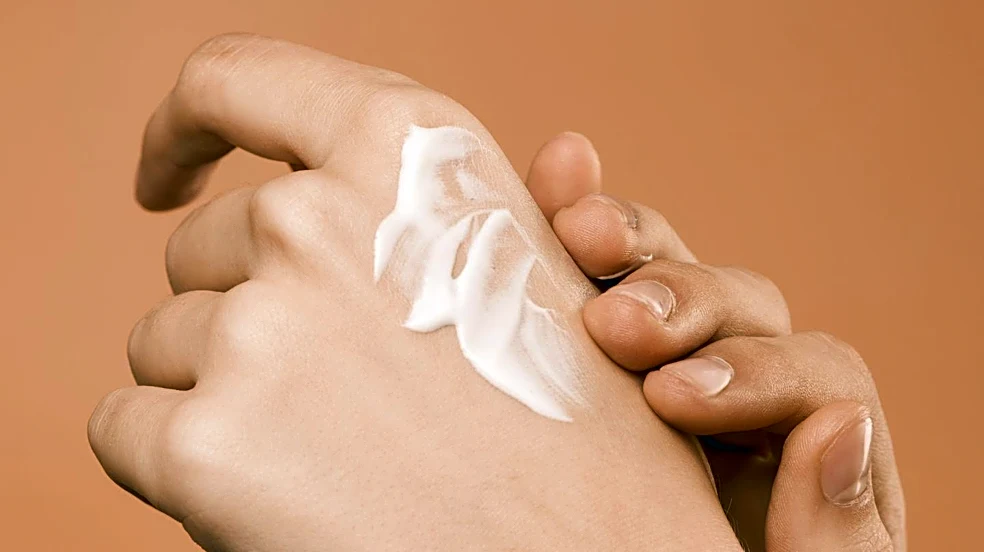
When incorporating tretinoin into a skincare routine, individuals commonly experience dryness, peeling, and irritation, according to plastic surgeon Dr. Dirk Kremer. Tretinoin alters skin cell turnover, which can temporarily disrupt the skin barrier,
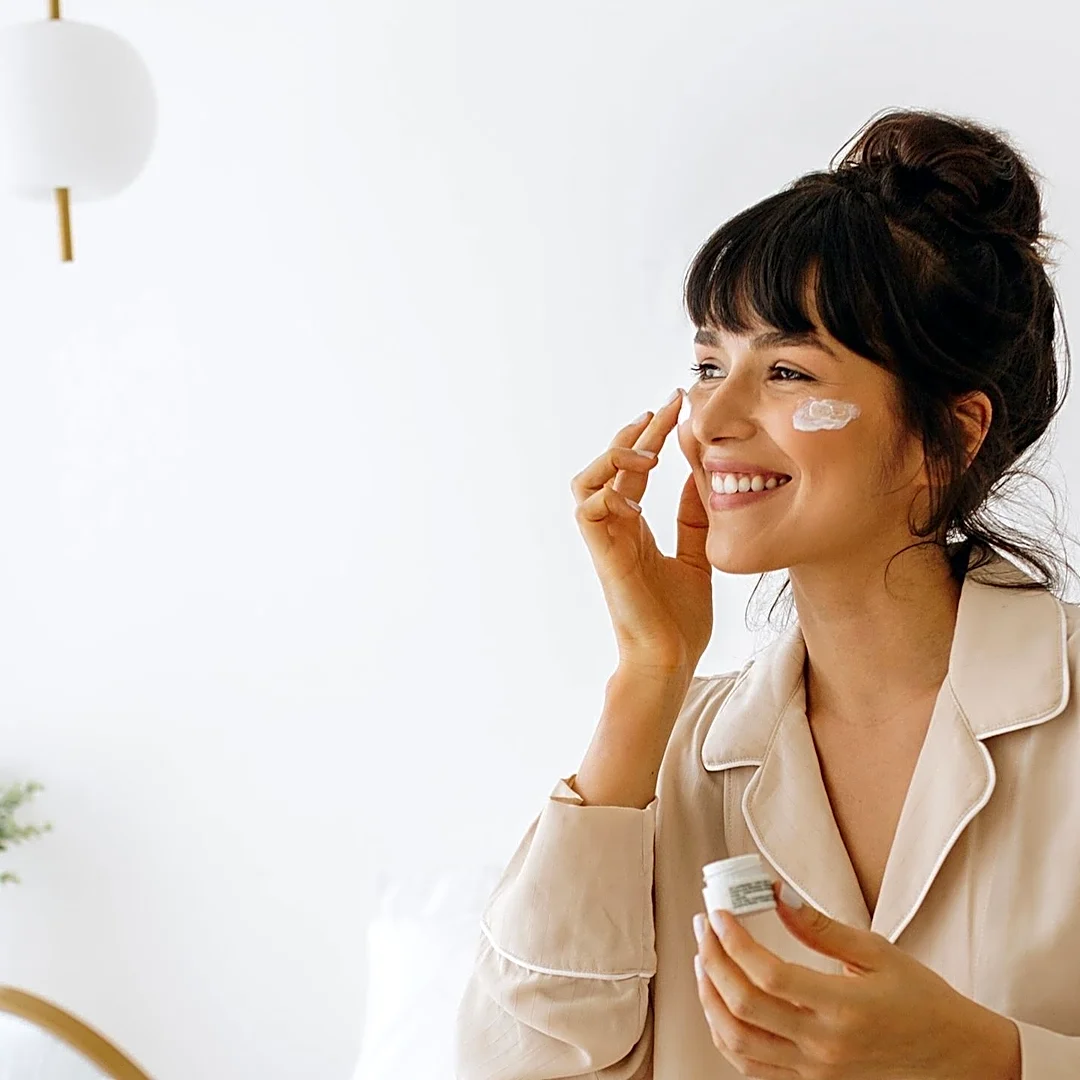
leading to these side effects. Dr. Kremer emphasizes the importance of gradual introduction of tretinoin to avoid significant irritation. During this adjustment period, selecting a nourishing, calming, and soothing moisturizer is critical. Experts recommend a simple routine when first starting tretinoin, consisting only of a gentle cleanser, a suitable moisturizer, and daily broad-spectrum sunscreen. Additional active ingredients should only be reintroduced carefully and one at a time after the skin has fully adapted to tretinoin, to easily identify any potential reactions.
Why It's Important?
The proper management of tretinoin-induced irritation is vital for successful treatment outcomes and patient compliance. Tretinoin is a highly effective retinoid used for acne, anti-aging, and improving skin texture, but its efficacy can be undermined if side effects like dryness and irritation become unbearable, leading users to discontinue treatment. By highlighting the importance of specific types of moisturizers—fragrance-free formulas designed to support the skin barrier—this guidance helps individuals mitigate discomfort and maintain skin health. This approach ensures that users can continue to benefit from tretinoin's powerful effects without compromising their skin's integrity. For the skincare industry, this underscores the demand for gentle, barrier-supporting products that complement potent actives, influencing product development towards formulations that prioritize skin comfort and resilience.
What's Next?
As awareness of tretinoin's benefits and potential side effects grows, there will likely be an increased focus on developing and marketing moisturizers specifically formulated to support skin undergoing retinoid treatment. Skincare brands may introduce more products featuring ingredients known for barrier repair and soothing properties, such as ceramides, hyaluronic acid, and niacinamide, explicitly positioned for use with tretinoin. Dermatologists and skincare professionals will continue to educate patients on the importance of a minimalist routine during the initial phases of retinoid use. We may also see more integrated skincare systems that pair retinoids with complementary soothing products, simplifying the process for consumers and ensuring better adherence to treatment protocols. Educational content will likely emphasize the 'less is more' approach when combining active ingredients.
Beyond the Headlines
The emphasis on simple, barrier-supporting moisturizers when using potent ingredients like tretinoin reflects a deeper understanding of skin health beyond just targeting specific concerns. It highlights the skin's role as a protective barrier and the importance of maintaining its integrity. This shift moves away from the idea that more active ingredients always lead to better results, instead promoting a balanced approach that prioritizes skin resilience. Ethically, it encourages responsible product use and discourages the overuse of harsh chemicals that can damage the skin. This perspective also has implications for consumer education, promoting a more informed approach to skincare where individuals understand the 'why' behind product recommendations, fostering healthier skin habits in the long term rather than just seeking quick fixes. It underscores the value of foundational skincare steps like moisturizing and sun protection as non-negotiable elements of any effective routine.