





What's Happening?
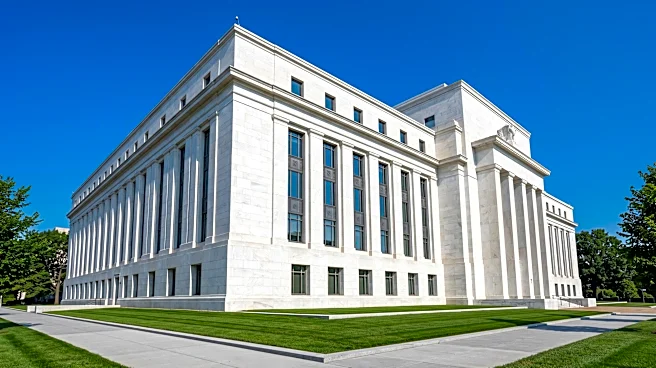
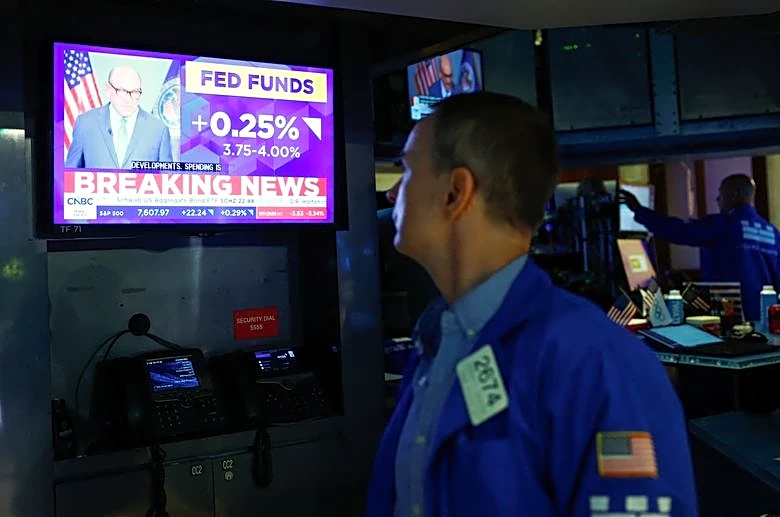
The Federal Reserve has increased its benchmark interest rate by a quarter-point, marking the first rate hike since the summer of 2023. This decision aims to combat inflation, which has remained above the Fed's 2% target for over five years. The Labor
Department reported a 3.4% rise in consumer prices in August compared to the previous year, with a monthly increase of 0.4% from July. The Fed's goal is to slow consumer and business spending by making borrowing more expensive, thereby reducing demand for goods and services and cooling the economy. Kevin Warsh, the Fed chair, stated that the rate hike would benefit lower-income Americans who are most affected by higher prices. Most credit cards have variable interest rates that track the prime rate, which responds quickly to changes in the Fed's benchmark rate. Consequently, most credit cardholders are expected to see their rates rise by a quarter-point in the coming months. Total credit card balances in the U.S. reached $1.26 trillion in the second quarter, nearing the record of $1.28 trillion set at the end of 2025.
Why It's Important?
This rate hike has significant implications for U.S. consumers and the economy. Borrowers, particularly those with credit card debt or planning large purchases like homes or cars, will face increased costs. The average cost of a new car has already risen to $50,089, with average loan rates at 7% for new cars and 10.6% for used cars. The average monthly car payment was $765 in the second quarter of 2026. While a single quarter-point increase might not have a massive immediate impact, a series of such hikes could significantly burden households. Conversely, savers are likely to benefit, as interest rates on savings accounts and certificates of deposit are expected to rise. Mortgage rates, which tend to track 10-year Treasury notes, have also been surging, with the rate on the benchmark 30-year fixed-rate mortgage reaching 6.76% last week. This has already impacted the housing market, with sales of previously occupied U.S. homes dropping for the third consecutive month in August.
What's Next?
Federal Reserve policymakers have indicated that they anticipate another benchmark rate hike this year, potentially reaching 4.1%. This suggests a continued trend of increasing borrowing costs. Consumers should expect further adjustments to credit card interest rates and potentially higher rates for auto loans and other forms of credit. For those with existing variable-rate debt, monthly payments will likely increase. Savers, however, can look forward to better returns on their deposits. The housing market is expected to continue feeling the effects of higher mortgage rates, potentially leading to a slowdown in sales. The long-term impact will depend on the frequency and magnitude of future rate increases, as well as how quickly inflation responds to these measures. Matt Schulz, chief consumer finance analyst at LendingTree, noted that the real impact becomes significant when multiple rate increases accumulate over time.
Beyond the Headlines
The Federal Reserve's decision highlights a broader economic strategy to manage inflation, even at the cost of increased borrowing expenses for consumers. This move underscores the delicate balance central banks must maintain between controlling price stability and fostering economic growth. The reliance of many Americans on credit cards to manage the high cost of living suggests a potential vulnerability to rising interest rates, which could exacerbate financial strain for some households. The disparity between the impact on borrowers and savers also points to a redistribution of financial benefits and burdens within the economy. This situation could lead to shifts in consumer spending habits, potentially prioritizing essential goods and services over discretionary purchases, and could influence the overall economic landscape as households adjust to higher debt servicing costs.