







What's Happening?
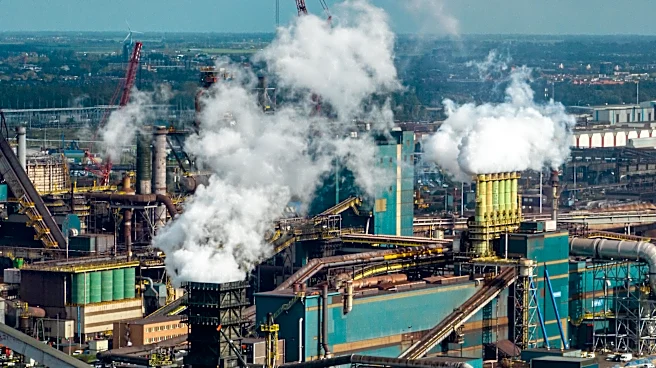
Lee County, Iowa, is currently evaluating plans for a proposed $15 billion steel plant, which, if approved, would become the largest in the United States. The project, spearheaded by Mesabi Metallics, aims to integrate mining operations in Northern Minnesota
with steel production in Iowa. Joe Broking, President of Mesabi Metallics, presented the project, emphasizing its potential to create jobs, boost the local population, and benefit the economy. However, the proposal has also generated significant concerns among local residents regarding its environmental impact, particularly concerning water usage from the Mississippi River and the physical toll of construction on the area. Mesabi Metallics plans to hold additional public meetings to address these concerns and is working to secure the necessary land for the project, with construction anticipated to begin by late next year.
Why It's Important?
This proposed steel plant represents a significant economic development opportunity for Lee County and the broader U.S. manufacturing sector. A $15 billion investment and the creation of the largest steel plant in the nation could provide a substantial number of jobs and stimulate economic growth in the region. However, it also highlights the persistent tension between industrial expansion and environmental protection. The concerns raised by residents about water usage and construction impact are critical, as large-scale industrial operations can have long-lasting effects on local ecosystems and community well-being. The project's success and public acceptance will depend on Mesabi Metallics' ability to demonstrate robust environmental safeguards and address community concerns effectively, setting a precedent for future large-scale industrial developments in the U.S.
What's Next?
Mesabi Metallics is scheduled to conduct further public meetings in Lee County to engage with residents and address their questions and concerns regarding the proposed steel plant. The company is also in the process of securing the land required for the project near the Mississippi River. The timeline indicates that construction could commence by late next year, assuming all necessary approvals and land acquisitions are finalized. The outcome of these discussions and the company's ability to mitigate environmental impacts will be crucial in determining the project's future. Local political leaders and environmental groups will likely continue to play a significant role in shaping the debate and influencing the decision-making process.
Beyond the Headlines
The debate surrounding the Lee County steel plant extends beyond immediate economic and environmental considerations to broader questions about sustainable industrial growth and community resilience. The project's reliance on resources from Northern Minnesota and its impact on the Mississippi River underscore the interconnectedness of regional economies and ecosystems. This situation could serve as a case study for how U.S. communities balance the promise of industrial revitalization with the imperative of environmental stewardship. It also raises questions about the long-term implications of large-scale manufacturing on local infrastructure, social services, and the demographic makeup of rural areas, prompting a deeper examination of what constitutes truly sustainable development.