

What's Happening?
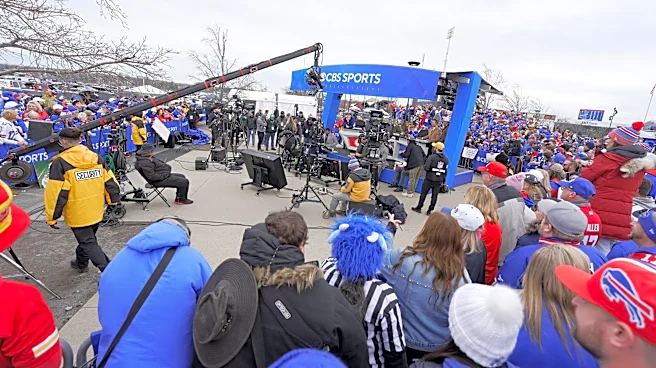
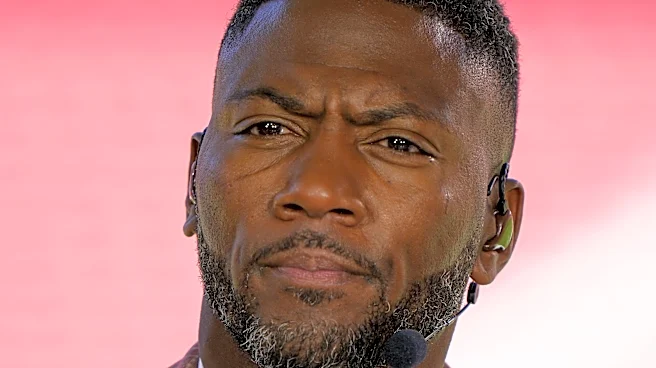
Former ESPN analyst Ryan Clark believes that Tony Romo's departure from CBS Sports was primarily due to a decline in his performance as a lead NFL game analyst, rather than solely his July arrest for operating a vehicle while intoxicated. Clark stated
in an interview with Front Office Sports editor-in-chief Dan Roberts that if Romo had maintained the quality of his first two years in the booth, he would still have his job. Romo and CBS mutually agreed to part ways in October, ending his nine-year tenure. Initially praised for his predictive and insightful analysis after retiring from playing in 2017, Romo's broadcasting drew increasing criticism from 2021 onwards, with concerns raised about his preparation and tendency to ramble. Media insider Andrew Marchand also cited Romo's 'lack of preparation' as a major factor. Romo's handling of the Super Bowl LVIII game-winning touchdown call, where he spoke over Jim Nantz, also drew significant flak. After his arrest, CBS placed Romo on leave, with J.J. Watt taking over his role.
Why It's Important?
Ryan Clark's assertion about Tony Romo's CBS exit highlights the intense scrutiny and high standards applied to top-tier sports broadcasters, even those who were initially highly acclaimed. This situation underscores that performance in the broadcast booth is as critical as on the field, with declining quality potentially leading to significant career changes. For CBS, the decision to part ways with Romo, regardless of the primary reason, reflects a strategic move to maintain the quality and appeal of its NFL coverage, especially given the substantial investment made in his contract. The discussion also brings to light the evolving expectations of sports commentary, where analysts are expected to be consistently insightful, well-prepared, and complementary to the play-by-play announcer. Romo's case serves as a cautionary tale for other former athletes transitioning into media, emphasizing the need for continuous effort and adaptation to maintain relevance and excellence in a competitive field.
What's Next?
Tony Romo's immediate future in sports broadcasting remains uncertain. While he made a brief remote appearance on ESPN2's 'Monday Night Football Field Pass with The Pat McAfee Show' in November, there has been no confirmation of a permanent return to an NFL booth. Ryan Clark expressed hope that Romo would get another chance and would 'tap back in more so than he did toward the latter part of his [TV] career.' Romo will likely need to address the criticisms regarding his preparation and on-air delivery if he aims to secure another prominent broadcasting role. Networks will be evaluating his potential for a comeback, weighing his past popularity against recent performance concerns and his off-field incident. The landscape of NFL broadcasting is competitive, and Romo's next move, if any, will be closely watched to see if he can regain his earlier form and reputation.
Beyond the Headlines
The narrative surrounding Tony Romo's departure from CBS delves into deeper implications about the nature of celebrity, performance, and public perception in media. Romo's initial success as an analyst, followed by a perceived decline, illustrates the challenge of sustaining excellence under constant public scrutiny. The significant contract he received also highlights the immense financial value placed on top-tier sports commentators, and consequently, the pressure to deliver consistent quality. This situation also raises questions about the support systems available to broadcasters, particularly former athletes, in maintaining their analytical edge and on-air presence over time. The interplay between personal conduct (his arrest) and professional performance in the public eye further complicates such career trajectories. Ultimately, Romo's case reflects the unforgiving nature of high-stakes media roles, where past achievements do not guarantee future success without continuous dedication and adaptation.