


What's Happening?
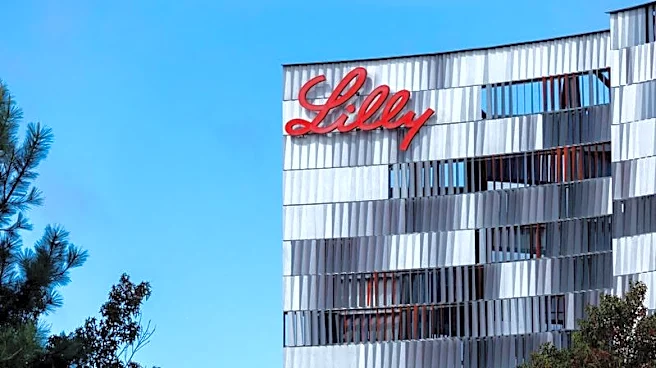
Eli Lilly and Novo Nordisk, two major pharmaceutical companies, have reported contrasting financial performances for the first quarter of fiscal year 2026. Eli Lilly has shown significant growth, with a 55.55% increase in revenue, driven by the success
of its drugs Mounjaro and Zepbound. The company has raised its 2026 guidance to $82 billion-$85 billion. In contrast, Novo Nordisk is facing challenges, reporting a decline in adjusted sales by 4% at constant exchange rates. The company is undergoing restructuring, including cutting 9,000 jobs and announcing significant price reductions for its drugs Wegovy and Ozempic, effective January 2027. These strategic moves aim to protect sales volume but may limit future cash flow.
Why It's Important?
The contrasting performances of Eli Lilly and Novo Nordisk highlight the competitive dynamics in the pharmaceutical industry, particularly in the market for GLP-1 receptor agonists, which are used to treat diabetes and obesity. Eli Lilly's strong financial results and strategic acquisitions position it well for future growth, potentially increasing its market share. Meanwhile, Novo Nordisk's restructuring and price cuts reflect its efforts to maintain competitiveness and market presence. These developments could impact stakeholders, including investors, healthcare providers, and patients, as they influence drug availability, pricing, and innovation in the sector.
What's Next?
Eli Lilly is expected to continue its expansion strategy, leveraging its strong pipeline and recent acquisitions to drive growth. Novo Nordisk, on the other hand, will focus on executing its restructuring plan and managing the impact of its price cuts. The pharmaceutical industry will closely watch how these strategies affect the companies' market positions and financial health. Stakeholders, including investors and healthcare professionals, will be interested in the long-term implications of these strategic decisions on drug pricing and availability.