




What's Happening?
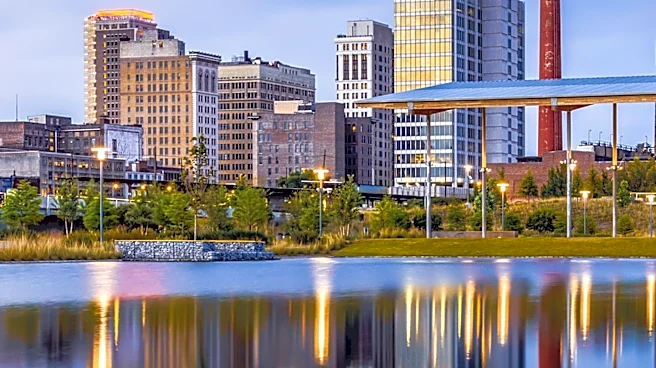
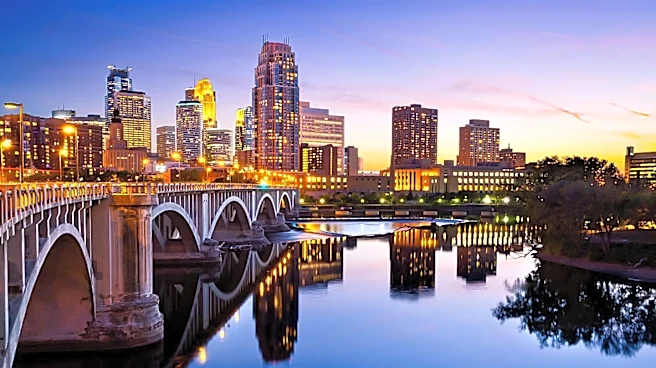
The City of Minneapolis has introduced a new initiative called 'In Minneapolis,' designed to streamline processes and attract businesses, developers, investors, and visitors to the city. This program aims to connect interested parties with downtown property
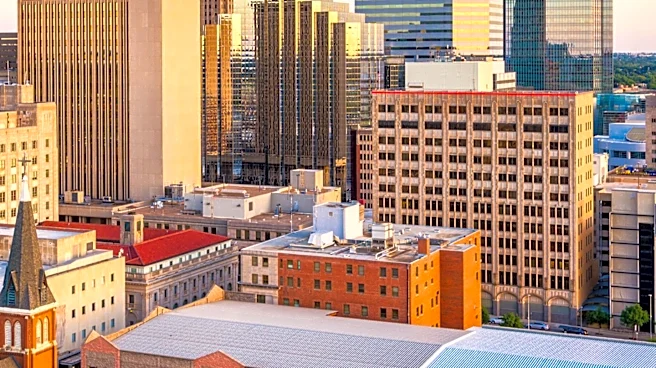
opportunities, city services, and various tools to support growth. Mayor Jacob Frey emphasized a 'get-to-yes' attitude, streamlined processes, and a dedicated team to foster innovation and development. The initiative is structured around four key goals: 'Grow' for businesses seeking office and retail spaces and financing, 'Invest' for investors to understand Minneapolis's potential, 'Build' for developers to adapt buildings, including office-to-residential conversions, and 'Host' for event organizers to find city resources and venues. Downtown Minneapolis currently hosts several Fortune 500 companies, including Target and U.S. Bank Corp., and offers access to employers, cultural attractions, dining, entertainment, and transportation.
Why It's Important?
This initiative is crucial for Minneapolis's economic vitality, aiming to boost local business, attract new investments, and revitalize downtown areas. By simplifying city processes and offering direct support, Minneapolis seeks to enhance its competitiveness as a business hub. The focus on converting office spaces into housing addresses evolving urban needs and could alleviate housing shortages while repurposing underutilized commercial properties. The 'In Minneapolis' program also supports small businesses through initiatives like the Vibrant Storefronts Program, which subsidizes rent for vacant storefronts, and an $800,000 investment to attract small businesses downtown. These efforts are designed to create a more dynamic and accessible urban environment, benefiting both residents and the broader regional economy by fostering job creation and increasing tax revenues.
What's Next?
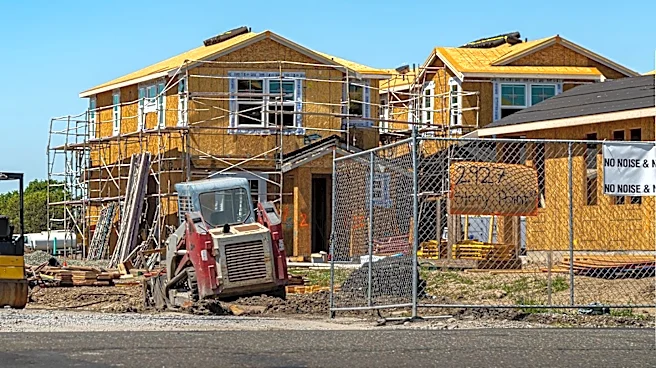
The 'In Minneapolis' initiative is expected to continue implementing changes to city processes, including further streamlining construction permitting. Recent adjustments have already reduced permit review times for small residential projects from approximately 20 days to four days, with target timelines for larger projects anticipated soon. Ordinance changes have also cut 60 to 90 days off office-to-residential conversion processes, supporting projects like the Grain Exchange and Textile Building. The Community Planning & Economic Development (CPED) department will continue its $800,000 investment to attract small businesses, including efforts to divide larger commercial spaces into smaller storefronts. These ongoing efforts aim to make Minneapolis an easier city to work with for businesses, developers, and event organizers, with continued support for events and cultural activities to draw people downtown.
Beyond the Headlines
The 'In Minneapolis' initiative reflects a broader trend in urban planning where cities are actively adapting to post-pandemic economic shifts, particularly the changing landscape of commercial real estate and the increased demand for residential spaces. By proactively converting office buildings into housing, Minneapolis is addressing both urban revitalization and housing affordability challenges. This strategic pivot could serve as a model for other U.S. cities facing similar issues, highlighting the importance of flexible urban policies and direct engagement with stakeholders. The emphasis on cutting 'red tape' and providing direct support also underscores a shift towards more business-friendly municipal governance, aiming to foster economic resilience and attract diverse investments in a competitive national environment.