




What's Happening?
A Cracker Barrel customer, known as Mac (@scottiemaccmusic) on TikTok, has shared a personal strategy to avoid waiting for the check after finishing a meal. His method involves requesting the bill as soon as his food is served. Mac explained in a video
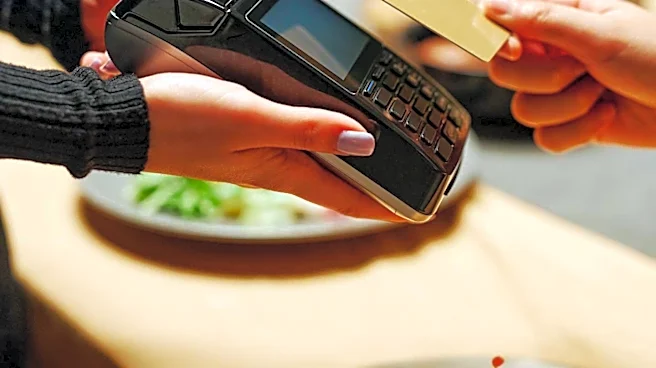
that this allows him to pay and leave whenever he is ready, without having to wait for a server to return with the check. He emphasized that his reasoning is not necessarily about rushing through dinner, but rather about having the freedom to depart at his convenience. Cracker Barrel already offers a 'Pay & Go' service, which allows customers to scan a QR code on their check and pay at the table, bypassing the cashier line. However, Mac's approach addresses the earlier step of obtaining the bill itself, ensuring it's available for immediate payment through services like Pay & Go once he decides to leave.
Why It's Important?
This customer's strategy highlights a common pain point in the dining experience: the wait for the check. While seemingly a minor inconvenience, prolonged waits can negatively impact customer satisfaction and perception of service efficiency. For restaurants like Cracker Barrel, understanding and addressing such customer frustrations is crucial for maintaining a positive brand image and encouraging repeat visits. The existence of Cracker Barrel's 'Pay & Go' service demonstrates the industry's recognition of the need for faster, more convenient payment options. Mac's viral TikTok video brings attention to the ongoing desire for greater control over the dining timeline, suggesting that even with technological solutions, there's still a demand for proactive service. This trend towards self-service and expedited processes could influence how restaurants design their service models and integrate technology to enhance the overall customer journey, potentially leading to broader adoption of similar practices across the U.S. hospitality sector.
What's Next?
The viral nature of Mac's tip could lead to more diners adopting similar strategies, potentially increasing requests for early checks at Cracker Barrel and other restaurants. This might prompt restaurants to further streamline their payment processes or even proactively offer checks earlier in the dining experience. Cracker Barrel, with its existing 'Pay & Go' service, is already positioned to handle such requests efficiently, but increased adoption could test the capacity and design of these systems. The discussion around Mac's method also opens a dialogue about the balance between efficient service and the traditional leisurely dining experience. Restaurants may need to consider how to cater to both types of customers – those who prefer a quick exit and those who wish to linger – without compromising service quality or staff workload. This could lead to innovations in table service technology or revised training for waitstaff to anticipate customer needs regarding payment.
Beyond the Headlines
Mac's simple trick at Cracker Barrel reflects a broader cultural shift towards efficiency and personal control in consumer experiences. In an increasingly on-demand world, customers expect services to adapt to their schedules and preferences, rather than the other way around. This extends beyond dining to various service industries, where friction points like waiting times are being scrutinized and optimized. The debate among viewers about whether this strategy 'ruins the experience' or is 'smart' highlights a tension between traditional service expectations and modern demands for speed and autonomy. Ethically, it raises questions about the implicit social contract between diners and service staff – how much control should a customer exert over the pace of service, and what are the implications for staff workload and the overall dining atmosphere? This micro-trend could contribute to a larger re-evaluation of service protocols, pushing businesses to innovate in ways that empower customers while maintaining the integrity of the service experience.