




What's Happening?
Audrey Driscoll's blog post, 'The Preservation of Memories,' discusses a personal observation regarding the demolition of old houses and their replacement with new structures. Driscoll notes a disturbing phenomenon where she loses memory of what previous
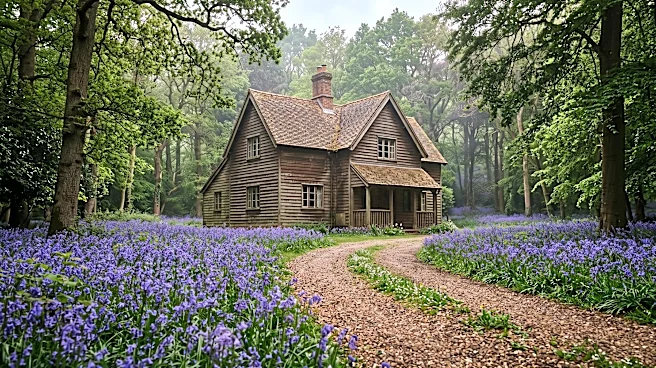
houses looked like, even those she passed frequently. She recounts a specific instance of a large property near her home, which featured a curving gravel driveway, an old brown farmhouse from the 1880s, a shed, and a 'bluebell wood.' This property, once considered the second oldest house in British Columbia and previously protected for its heritage and native plants, was eventually demolished. Driscoll deliberately avoids looking at the new constructions to preserve her mental image of the original property, highlighting a broader theme of how urban development can erase historical and personal landmarks.
Why It's Important?
This reflection by Audrey Driscoll underscores the broader societal impact of rapid urban development and the loss of historical architecture. The demolition of older homes, particularly those with heritage value, can lead to a disconnect from local history and a homogenization of urban landscapes. For communities, the loss of such landmarks can erode a sense of place and collective memory. While development often aims to address housing needs or modernize infrastructure, Driscoll's experience points to the emotional and cultural cost. It raises questions about the balance between progress and preservation, and how individuals and communities cope with the constant transformation of their environments. The phenomenon she describes suggests a psychological effect where new constructions can overwrite existing memories, making it challenging to recall what once stood in a familiar location.
What's Next?
The ongoing trend of urban redevelopment, particularly in areas experiencing growth, suggests that more historical properties may face similar fates. Communities and local governments will likely continue to grapple with decisions balancing development pressures against heritage preservation. Discussions may arise regarding stricter heritage protection laws, incentives for renovating rather than demolishing older structures, or initiatives to document and commemorate lost landmarks. For individuals like Driscoll, the challenge will be to actively engage with and preserve personal and collective memories of places that are undergoing transformation. This could involve community archiving projects, local history initiatives, or increased public discourse on the value of architectural heritage in shaping community identity.
Beyond the Headlines
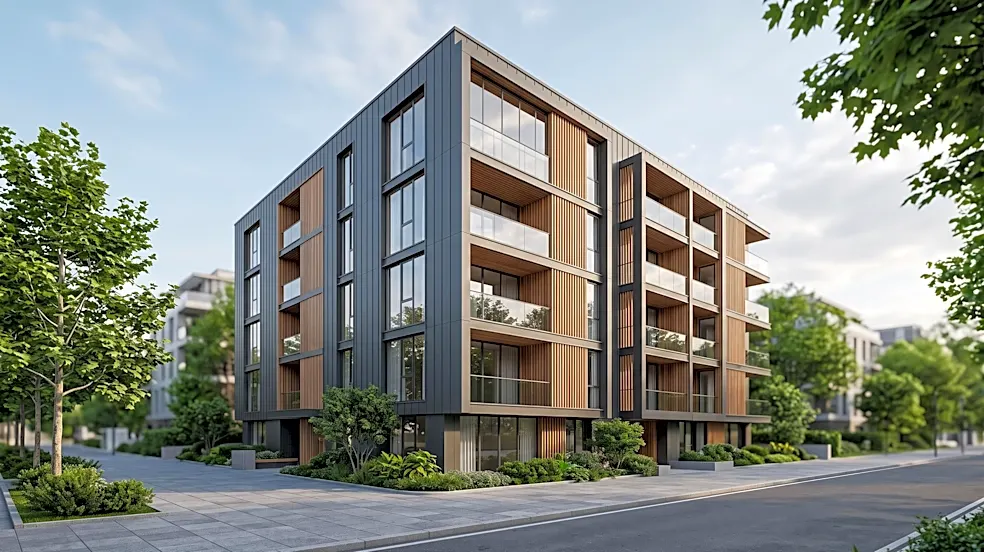
Driscoll's personal reflection delves into the ethical and cultural dimensions of memory and place. The act of deliberately avoiding new constructions to preserve an old memory highlights a deeper human need to maintain continuity with the past. This phenomenon extends beyond individual memory to collective cultural memory, where the physical environment often serves as a tangible link to history. The loss of unique, older structures can lead to a 'placelessness,' where urban areas become indistinguishable from one another, devoid of distinct character. This raises questions about the psychological impact of living in constantly changing environments and the potential for a collective amnesia regarding local history. It also implicitly critiques the prioritization of new, often larger and less aesthetically integrated, developments over the preservation of existing cultural and historical assets.