


What's Happening?
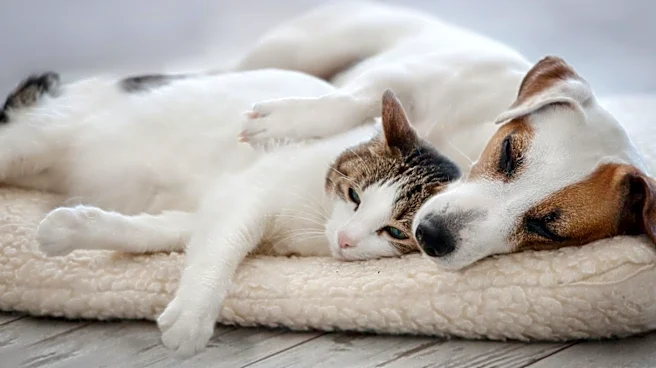
Greyhounds, known for their social and easygoing nature, can successfully integrate into homes with existing pets, including cats and other dogs. Due to their background in racing, greyhounds are accustomed to living with other canines. However, their inherent
sighthound instincts, developed over thousands of years for chasing, necessitate a careful matching process to ensure compatibility with other household animals. Organizations like GAP (Greyhound Adoption Program) assess each greyhound's temperament to determine its suitability for multi-pet environments. This assessment includes evaluating their predatory behavior towards smaller dogs and their tolerance for cats. While many greyhounds adapt well, some may possess a stronger chase instinct, making them less suitable for homes with certain types of pets. Successful integration often requires thoughtful introductions, ongoing supervision, and the creation of safe spaces for all animals involved.
Why It's Important?
The ability of greyhounds to live harmoniously with other pets is significant for potential adopters, as it broadens the pool of suitable homes for these retired racing dogs. Many households already have pets, and knowing that a greyhound can potentially join their family encourages more adoptions. This understanding helps to dispel misconceptions that greyhounds, due to their racing background, are inherently aggressive or unsuitable for mixed-pet households. For animal welfare organizations, this information is crucial for effective placement strategies, allowing them to match dogs with appropriate families and reduce the number of greyhounds awaiting adoption. It also highlights the importance of responsible pet ownership, emphasizing that even with compatible breeds, careful introductions and management are key to a peaceful multi-pet home, ultimately contributing to the well-being of all animals involved.
What's Next?
For individuals considering adopting a greyhound into a multi-pet household, the next steps involve engaging with adoption organizations like GAP. These organizations will conduct thorough assessments of both the greyhound and the prospective home environment, including existing pets. Potential adopters should be prepared to provide detailed information about their current pets' temperaments and living arrangements. The adoption process will likely include supervised introductions between the greyhound and resident animals, often with guidance from experienced adoption counselors. Post-adoption, continued supervision, especially during the initial settling-in period, and the establishment of safe zones for all pets will be crucial. Adoption agencies typically offer ongoing support and advice to ensure a smooth transition and address any behavioral challenges that may arise, reinforcing the importance of a gradual and patient approach to integration.
Beyond the Headlines
The successful integration of greyhounds into multi-pet homes extends beyond mere compatibility; it speaks to the adaptability of these animals and the impact of responsible rehoming programs. It challenges the perception that a dog's past role, such as racing, dictates its future temperament or suitability as a companion animal. This highlights a broader societal shift towards understanding and accommodating the unique needs of different breeds, promoting more inclusive pet ownership. Furthermore, the emphasis on careful matching and introduction underscores the ethical responsibility of pet owners and adoption agencies to ensure the safety and well-being of all animals in a household. This approach fosters a more compassionate view of animal adoption, recognizing that with the right support and understanding, many animals can thrive in diverse living situations, ultimately enriching the lives of both pets and their human companions.