
What's Happening?
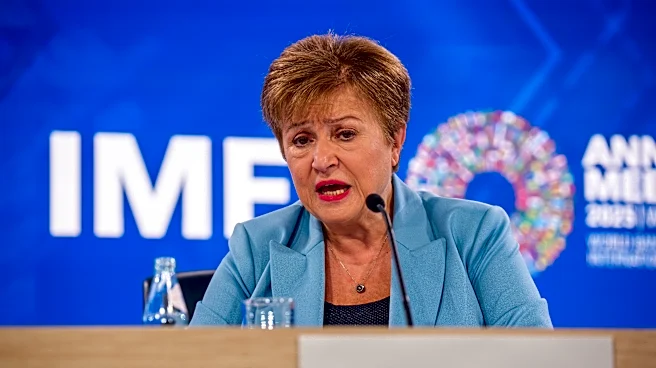
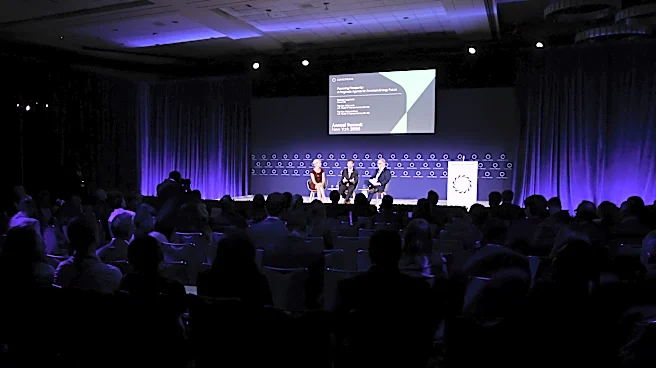
A panel discussion at the FUTURE-READY ECONOMY 2026 event, an official side event of the 2026 Annual Meetings of the International Monetary Fund and the World Bank Group, explored the concept of rethinking
economic growth. Moderated by Mr. Gene Ma, Chief APAC Representative at the Institute of International Finance (IIF), the discussion focused on moving beyond simply increasing Gross Domestic Product (GDP) to creating lasting value for individuals, businesses, and economies. The panel included prominent figures such as Mr. Denis Medvedev, Global Director for Trade, Competition, and Business at the World Bank Group; Mr. John W.H. Denton AO, Secretary-General of the International Chamber of Commerce (ICC); Dr. Jeffrey Jaensubhakij, Advisor and Former Group Chief Investment Officer at GIC; and Mr. Songpol Chevapanyaroj, President and Chief Executive Officer of Government Savings Bank (GSB). The central theme was how capital can be directed towards growth that delivers sustained prosperity amidst challenges like slowing productivity, widening inequality, and increasing uncertainty.
Why It's Important?
This shift in perspective on economic growth is crucial for the U.S. and global economies as it challenges traditional metrics of success. Focusing on 'lasting value' rather than just GDP growth implies a move towards more sustainable and equitable economic models. For U.S. industries, this could mean a greater emphasis on long-term investments in areas like renewable energy, education, and infrastructure, rather than short-term profit maximization. Public policy in the U.S. might adapt to prioritize social and environmental returns alongside financial ones, potentially influencing tax incentives, regulatory frameworks, and investment strategies. Stakeholders, including businesses, investors, and policymakers, stand to gain from a more resilient and inclusive economy, while those resistant to moving beyond traditional growth paradigms might face challenges in adapting to new economic realities.
What's Next?
The discussions at FUTURE-READY ECONOMY 2026 are likely to influence future policy dialogues and investment strategies globally, including within the U.S. The insights from this panel could contribute to the development of new economic frameworks that prioritize sustainability and equitable prosperity. Major stakeholders, including international financial institutions, national governments, and private sector entities, may begin to integrate these concepts into their strategic planning. This could lead to increased funding for initiatives that demonstrate long-term societal and environmental benefits, and a re-evaluation of how economic success is measured and pursued in the coming years.
Beyond the Headlines
The emphasis on 'lasting value' over mere GDP growth signals a deeper philosophical shift in economic thought, moving away from purely quantitative measures to qualitative assessments of well-being and sustainability. This development has ethical implications, as it encourages a re-evaluation of corporate responsibilities beyond shareholder profits to include broader societal impact. Legally, it could pave the way for new regulations that incentivize sustainable practices and penalize those that contribute to inequality or environmental degradation. Culturally, it might foster a greater appreciation for long-term planning and intergenerational equity, potentially influencing consumer behavior and corporate governance in the U.S. and beyond.