

What's Happening?
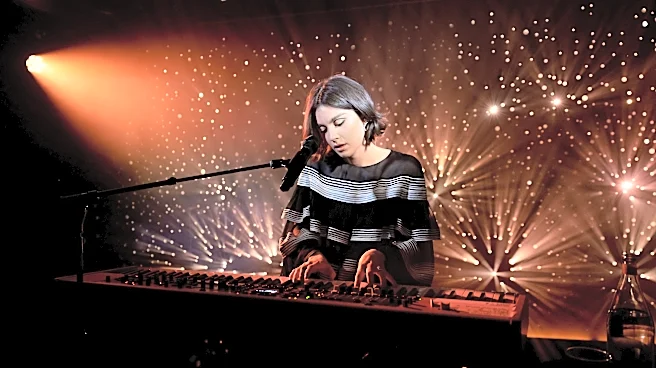
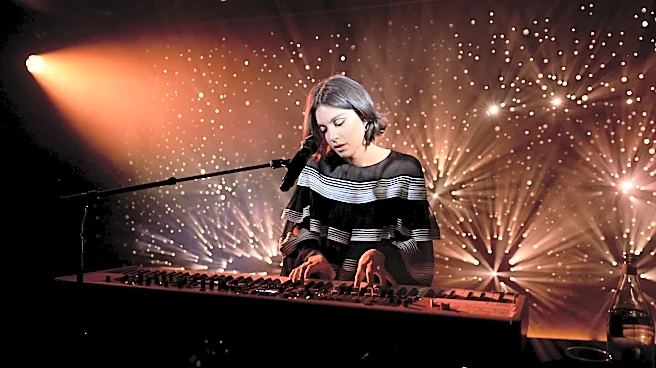
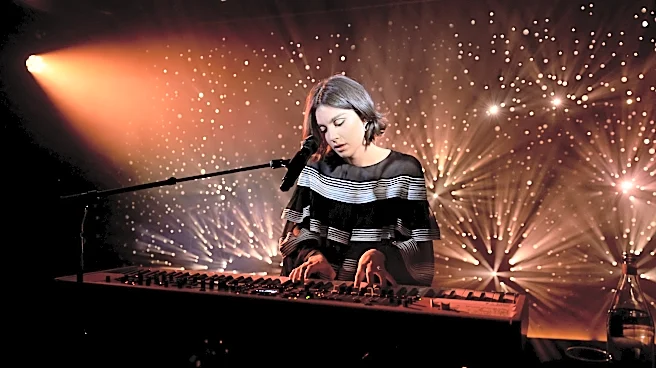
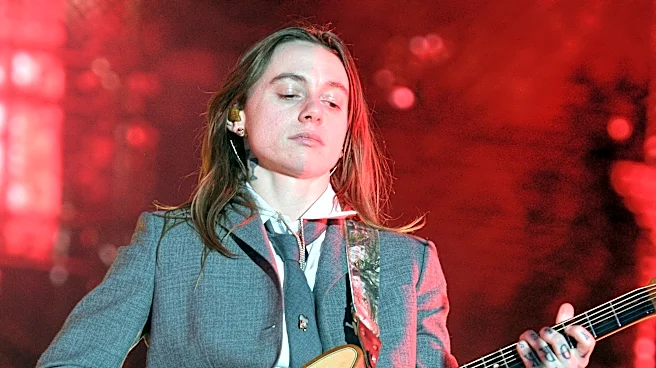
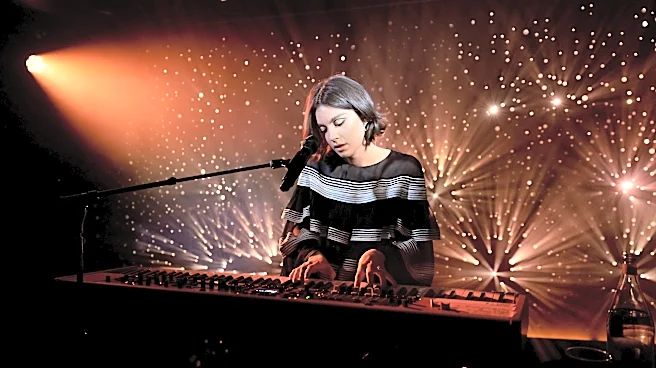
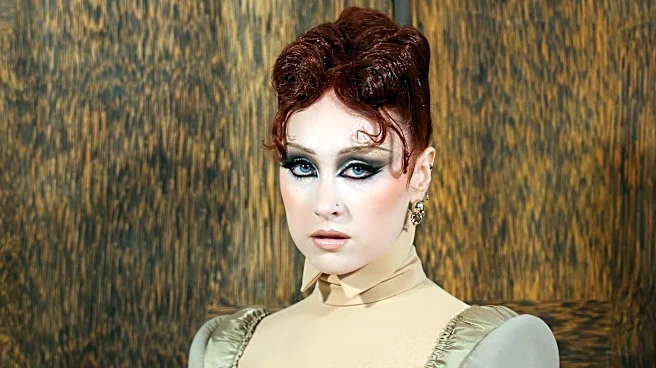
Gracie Abrams, the 27-year-old singer-songwriter, is exploring the idea of creating a 'Frankenstein' album that would combine songs from three of her previous projects: 'Good Riddance,' 'Secret of Us,' and 'Daughter From Hell.' This concept emerged during
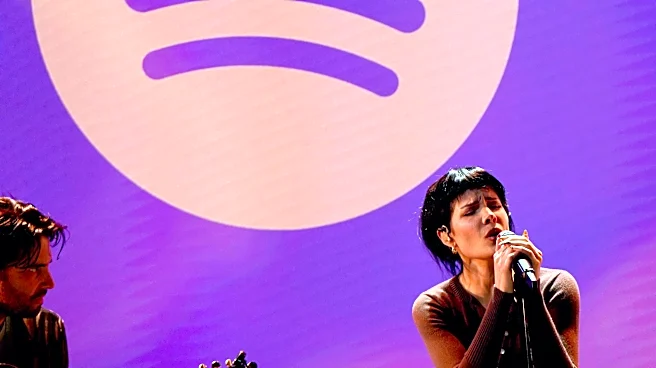
a rehearsal as she prepares for her 'Look at My Life' tour, scheduled to begin in December. Abrams expressed enthusiasm for arranging old songs in new ways to observe their interconnectedness. She also shared her discomfiture with hearing her own music on the radio, describing it as a 'hallucination' and a 'trippy' experience that she hasn't grown accustomed to. Despite dedicating the title track of her newest album, 'Daughter From Hell,' to her mother, Katie McGrath, Abrams indicated she would be uncomfortable if her parents played her music for others.
Why It's Important?
This creative approach by Gracie Abrams could set a new trend in the music industry, offering artists a novel way to re-engage with their existing catalog and present it in a fresh context. For fans, a 'Frankenstein' album would provide a unique listening experience, potentially highlighting thematic connections between previously released tracks that might not have been apparent. This strategy could also extend the commercial life of older material, generating renewed interest and sales. From a broader industry perspective, if successful, this model might influence how other artists and record labels approach album creation and re-releases, moving beyond traditional greatest hits compilations to more conceptually integrated projects. It also underscores the evolving relationship between artists and their work, particularly in the digital age where content can be easily re-packaged and re-presented.
What's Next?
Gracie Abrams is set to embark on her 'Look at My Life' tour in December, which will likely be a platform where she might further develop or even preview elements of this 'Frankenstein' album concept. The tour itself will be a significant event for her fanbase, offering live performances of her existing work. Following the tour, the decision to formally pursue and release such an album would be a major next step. This would involve significant production work to 'reproduce' and re-arrange the selected songs. The reception of this potential album by critics and fans will be crucial in determining its impact and whether other artists adopt similar creative strategies. Her comments about her parents playing her music also highlight the personal boundaries artists navigate, even with supportive family members.
Beyond the Headlines
Abrams's 'Frankenstein' album idea touches upon deeper themes of artistic evolution and the reinterpretation of one's own creative output. It suggests a move beyond linear album releases towards a more fluid and interconnected body of work, where songs from different periods can be brought into dialogue with each other. This approach could challenge traditional notions of an album as a singular, self-contained statement. Her reaction to hearing her music on the radio—describing it as a 'hallucination'—offers a glimpse into the often surreal experience of artists witnessing their private creations become public phenomena. This sentiment reflects a common artistic struggle with the commodification and public consumption of deeply personal work, highlighting the psychological distance that can form between the creator and the created once it enters the public sphere.