




What's Happening?
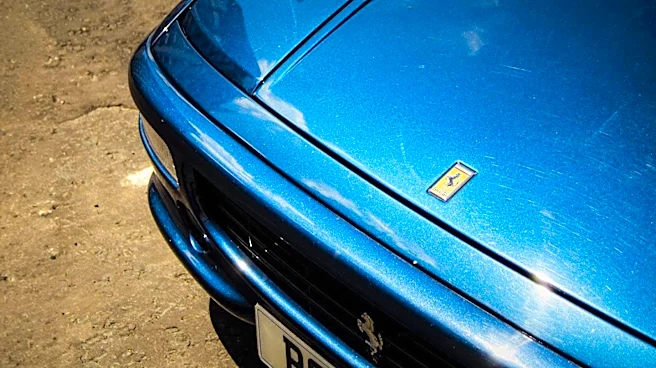
Evoluto Restomod Ferrari has successfully re-engineered the F355 Berlinetta, a car widely considered a pinnacle of 1990s Ferrari design and performance. The project, known as the '355 by Evoluto,' aims to enhance the original F355's driving experience
through extensive modifications. These include reinforcing the chassis with 10 carbon-fiber pieces, replacing most of the body with carbon fiber, and widening the wheel arches. The engine has been rebuilt with over 200 new or redesigned components, including ported cylinder heads, upgraded valves, and hotter cams, resulting in an increased output of 414 hp. The suspension has been redesigned with longer control arms and new uprights, and the steering rack has been replaced for a quicker ratio. The interior has also been thoughtfully customized with high-quality materials while retaining an analog feel. The result is a vehicle praised for its composed, communicative, and capable driving dynamics, with R53 shocks providing a sporty yet comfortable ride and confident brakes.
Why It's Important?
The '355 by Evoluto' project signifies a growing trend in the automotive industry: the restomodding of iconic, high-performance vehicles. This approach allows enthusiasts to experience classic cars with modern performance, handling, and comfort, addressing common concerns such as maintenance costs and outdated technology. For the U.S. automotive market, this trend could lead to increased demand for specialized restoration services and high-performance aftermarket parts. It also highlights a shift in consumer preferences, where some buyers are willing to invest significant sums in re-engineered classics rather than solely focusing on new models. This could create new niches for businesses specializing in bespoke automotive modifications and engineering, potentially impacting the valuation of classic cars and the types of vehicles collectors seek. The success of Evoluto's F355 could inspire similar projects for other desirable classic cars, further diversifying the high-end automotive sector.
What's Next?
Evoluto plans to build only 55 examples of the '355 by Evoluto,' with the initial run reportedly nearly sold out. There is also chatter about a potential open-top, GTS variant in the future, indicating a continued commitment to expanding their offerings. The success of this project could encourage other specialized engineering firms to undertake similar restomod initiatives for other classic Ferrari models or even other high-performance marques. This could lead to a competitive market for high-end automotive restorations, with companies vying to offer the most compelling blend of classic aesthetics and modern performance. Additionally, the project serves as a 'warning to automakers,' suggesting that if current production vehicles fail to deliver an engaging, analog driving experience, there will be a market for re-engineered older models that do. This could influence future design and engineering philosophies within the broader automotive industry, potentially leading to a renewed focus on driver engagement in new car development.
Beyond the Headlines
The '355 by Evoluto' touches upon deeper implications regarding the preservation and evolution of automotive heritage. While some purists might view such extensive modifications as sacrilege, the project demonstrates a different form of preservation—one that enhances the usability and performance of classic cars for contemporary driving standards. This raises questions about what constitutes 'authenticity' in the context of classic vehicles and whether modernization can coexist with historical appreciation. Ethically, it highlights the tension between maintaining original specifications and improving safety, reliability, and performance. Culturally, the project reflects a desire to bridge the gap between nostalgic appreciation for past automotive icons and the demands of modern driving. It also underscores the value placed on bespoke craftsmanship and personalized automotive experiences in an increasingly mass-produced world, potentially influencing future trends in luxury goods and personalized consumer products.