





What's Happening?
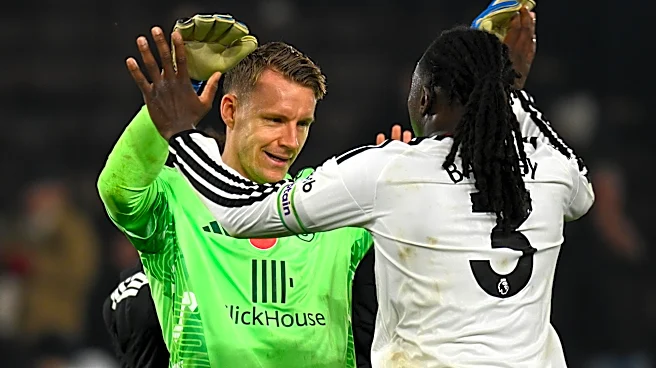
Arsenal manager Mikel Arteta has issued a warning to his players regarding the inadvertent leaking of team news through Fantasy Premier League (FPL). This intervention follows an incident where Christos Tzolis selected and captained himself in his FPL team prior
to Arsenal's match against Liverpool on November 1. Tzolis had been out for a month due to injury, and his FPL selection preceded his inclusion in Arsenal's starting XI at Anfield, marking his first appearance since October 1. Arteta stated that he has spoken to his squad, as well as individuals close to the club, about their FPL selections. He also mentioned discussing the issue with his children, who frequently inquire about team details for FPL purposes. Arteta emphasized the critical importance of confidentiality, describing it as a matter of trust and a secret that must be maintained. He confirmed that measures would be implemented to prevent such occurrences in the future and that players are restricted from selecting themselves in their FPL lineups. This issue is not isolated, as a similar situation occurred in October when FPL teams linked to Chelsea staff and players removed striker Joao Pedro, hinting at an injury.
Why It's Important?
The issue of team news leaking through Fantasy Premier League has significant implications for professional sports, particularly in terms of competitive integrity and confidentiality. Early access to lineup or injury information, even if unintentional, can provide an unfair advantage to opponents or bettors. For clubs, maintaining secrecy around team selections and player fitness is crucial for strategic planning and to prevent rivals from gaining insights that could influence match outcomes. This situation highlights a growing challenge in the digital age, where personal activities like playing fantasy sports can inadvertently compromise professional obligations. The need for clubs to establish clear guidelines and enforce strict policies regarding player and staff engagement with platforms like FPL becomes paramount. The incident underscores the tension between players' personal interests and their professional responsibilities, necessitating a balance that protects the integrity of the sport and the competitive advantage of the team. It also brings to light the broader issue of information security in sports organizations.
What's Next?
Following Mikel Arteta's warning, Arsenal is expected to implement stricter internal policies and guidelines regarding player and staff participation in Fantasy Premier League. These measures will likely include clearer rules about what information can be inferred from FPL selections and potentially more stringent restrictions on player choices, such as the existing rule preventing players from selecting themselves. Other Premier League clubs may also review their own policies in light of this incident to prevent similar leaks. The Premier League itself might consider issuing broader guidelines or recommendations to all clubs to address this emerging issue, ensuring a consistent approach across the league. Players and staff will need to be more mindful of their FPL activities and understand the potential consequences of their selections. This could lead to increased education within clubs about information security and the impact of seemingly innocuous online activities on professional sports integrity. The focus will be on reinforcing confidentiality protocols and ensuring that competitive advantages are not inadvertently compromised.
Beyond the Headlines
This incident extends beyond simple team news leaks, touching upon broader themes of digital ethics, information control in the age of pervasive online engagement, and the evolving nature of sports professionalism. The blurring lines between personal digital lives and professional responsibilities present a new frontier for sports organizations. It raises questions about how much control clubs can and should exert over their employees' private online activities, especially when those activities can have direct professional repercussions. Ethically, it highlights the responsibility of individuals within a professional setting to safeguard sensitive information, even in seemingly recreational contexts. Legally, while FPL participation is not inherently illegal, the misuse or accidental disclosure of confidential information could have contractual implications for players. Culturally, it reflects how deeply integrated fantasy sports have become into the fan experience, creating unforeseen challenges for the very leagues and teams they celebrate. This development could trigger a long-term shift in how sports organizations manage digital conduct, potentially leading to more comprehensive digital literacy training and stricter social media and online activity policies for athletes and staff across various sports.