




What's Happening?
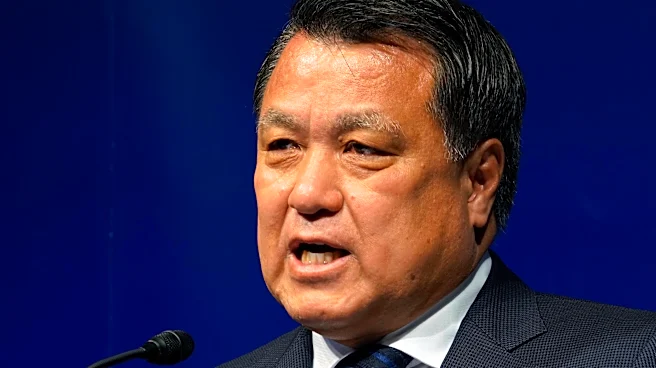
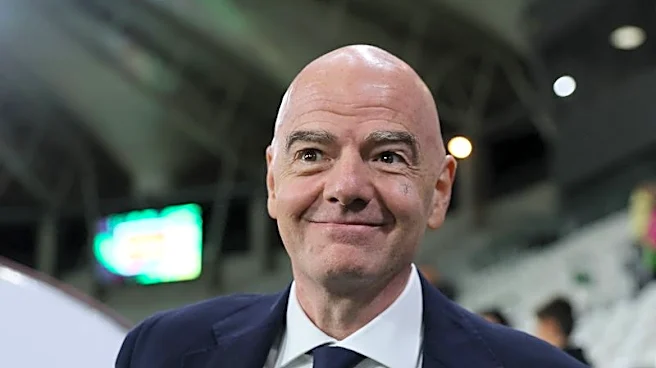
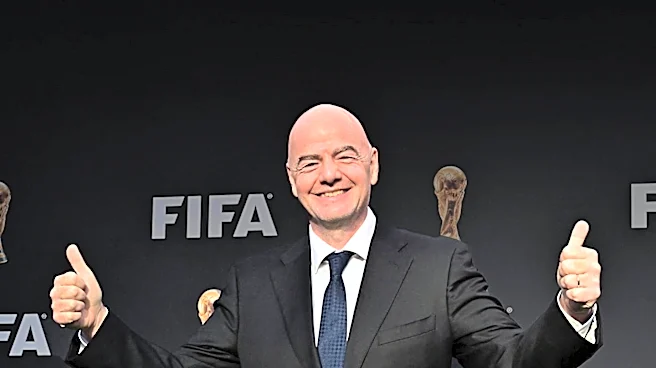
FIFA Council member Kohzo Tashima intends to run for president of the global soccer body, challenging incumbent Gianni Infantino. This development was reported by Japanese media following a meeting of Japan's national soccer federation. Tashima is the first
significant rival to emerge against Infantino, especially after Infantino's controversial plan in July to sell stakes in future World Cup profits to private investors. Japanese newspaper Asahi reported that Tashima announced his intention to run in the election scheduled for next March, and the board members of Japan's soccer federation (JFA) unanimously agreed to support his candidacy. Sports newspaper Nikkan Sports also corroborated this news. The JFA has not yet responded to requests for comment from The Associated Press. Tashima, 68, is a former Japan national team player and president of the soccer federation, having served on FIFA’s ruling committee since 2015 during Sepp Blatter's presidency.
Why It's Important?
This challenge to Gianni Infantino's presidency could significantly alter the leadership and direction of FIFA, the global governing body of soccer. Infantino's proposal to sell stakes in future World Cup profits had already caused considerable unrest within the global soccer community, making him vulnerable to opposition. Tashima's entry into the race provides an alternative for member federations dissatisfied with the current leadership or its proposed financial strategies. Tashima's reputation as a respected, diplomatic, and low-profile official contrasts with the often-turbulent political landscape of international soccer, potentially appealing to those seeking stability and integrity. The outcome of this election will determine FIFA's approach to major tournaments, financial management, and its relationship with member federations, impacting the sport's global development and commercial future.
What's Next?
The FIFA presidential election is scheduled for March 18 in Rabat, Morocco. Candidates, including Tashima, must secure formal support from five of FIFA’s 211 member federations to qualify for the ballot. Additionally, they must pass an eligibility check conducted by a three-member panel appointed by FIFA. The deadline for candidates to enter the contest is November 18. European soccer body UEFA has been actively seeking a candidate to challenge Infantino, indicating a broader desire for change within some influential soccer blocs. The coming months will likely see intensified campaigning, coalition-building among federations, and scrutiny of both candidates' platforms and past actions. The eligibility check process will also be a critical hurdle for any challenger.
Beyond the Headlines
Tashima's candidacy highlights underlying tensions within FIFA regarding governance, financial transparency, and the commercialization of soccer. Infantino's plan to sell World Cup profit stakes touched upon fundamental questions about who controls the sport's most valuable assets and how revenues are distributed. A challenge from a respected figure like Tashima could force a more open debate on these issues, potentially leading to reforms in FIFA's operational and financial structures. This election could also be seen as a referendum on the direction of global soccer, with implications for how the sport balances its commercial interests with its developmental and ethical responsibilities. The outcome may influence future decisions on tournament formats, host selections, and the overall integrity of international football.