






What's Happening?
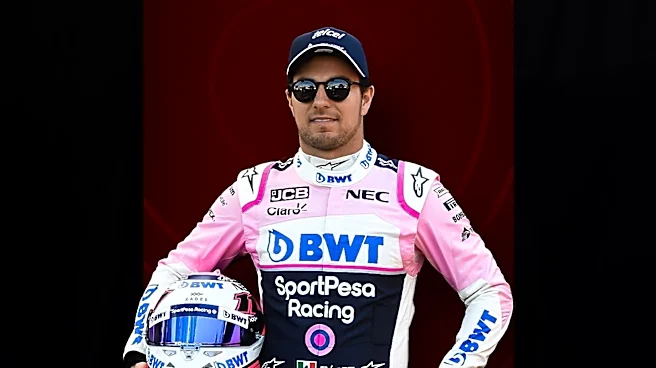
Sergio Pérez, a Formula 1 driver, is developing a junior program aimed at supporting young drivers globally in their pursuit of a career in racing. This initiative mirrors Lando Norris' recently announced LN4 Fusion team, which also seeks to help emerging
talents reach Formula 1. Pérez's program is currently in the planning stages with his manager, Khalil Beschir, and more details are expected to be shared in the coming months. Pérez emphasized that his team will focus on young talents from all over the world, not exclusively from Mexico, despite the growing popularity of the sport in his home country. He highlighted the significant financial challenges young drivers face, drawing from his own experience where he relied on the support of Carlos Slim to advance his career. Pérez noted that securing funding was difficult even in his time, and it remains a major hurdle for aspiring drivers today, particularly for those from Latin American countries.
Why It's Important?
This initiative by Sergio Pérez holds significant importance for the future of motorsports, particularly in fostering diversity and accessibility within the highly competitive and financially demanding world of Formula 1. By establishing a junior program, Pérez aims to mitigate the financial barriers that often prevent talented young drivers from reaching their full potential, especially those from less privileged backgrounds or regions where motorsport infrastructure is not as developed. His personal experience of struggling for backing underscores the critical need for such support systems. The program could create new pathways for a broader range of international talent, potentially leading to a more diverse grid in Formula 1 and other top-tier racing series. This effort could also inspire other established drivers and organizations to invest in similar development programs, thereby strengthening the talent pipeline and ensuring the sport remains vibrant and competitive for generations to come.
What's Next?
In the coming months, Sergio Pérez and his manager, Khalil Beschir, are expected to release more specific details about the structure, scope, and operational plans for the junior driver program. This will likely include information on how young talents can apply, the selection criteria, and the levels of racing the program will support, potentially spanning from karting to Formula 3 and Formula 2, similar to Lando Norris's model. The announcement could also detail potential partnerships with racing teams, sponsors, or educational institutions to provide comprehensive support to the selected drivers. The success of this program will depend on its ability to identify and nurture talent effectively, secure consistent funding, and provide a clear progression path for its participants. Its launch could also prompt discussions within the motorsport community about the broader responsibility of current F1 drivers and teams to invest in grassroots development.
Beyond the Headlines
The establishment of junior driver programs by prominent Formula 1 figures like Sergio Pérez and Lando Norris reflects a growing recognition within the sport of the systemic challenges faced by aspiring racers. Beyond the immediate goal of nurturing talent, these initiatives address deeper issues of equity and access in a sport historically dominated by individuals with significant financial backing. Pérez's emphasis on supporting young talents globally, rather than focusing solely on one region, highlights a commitment to broadening the sport's demographic reach and ensuring that talent, not just wealth, is the primary determinant of success. This trend could lead to a cultural shift in motorsport, promoting a more meritocratic system and potentially inspiring a new generation of fans and participants from diverse backgrounds. Such programs also serve as a form of legacy building for the drivers involved, allowing them to give back to the sport that made them successful and contribute to its long-term sustainability.