





What's Happening?
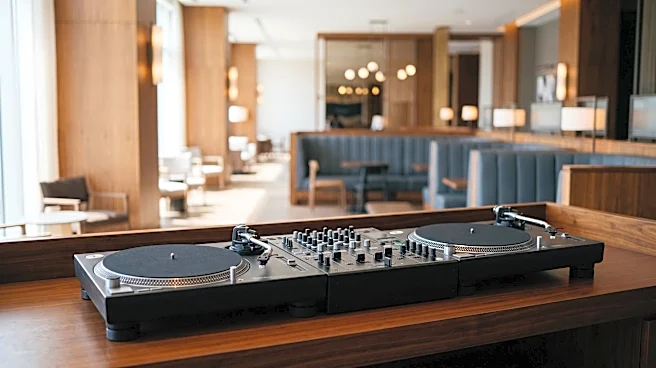
The sale of The Garage and Hi Hat Lounge, popular Brady Street establishments, to Heard Hospitality (owners of Jack's American Pub and Milwaukee Brat House) was almost derailed by a controversy involving a ban on rap music. Last week, accusations surfaced
that The Garage had prohibited DJs from playing rap artists. This led to significant public outcry and staffing concerns, prompting the previous owners to expedite the sale. Ryan Cooke, Director of Operations for Heard Hospitality and an incoming owner, confirmed that the controversy nearly scuttled the deal before ultimately accelerating it. The previous ownership admitted to implementing a 'no-play list' of artists, stating it was an employee's misguided attempt to eliminate music with violent or gun-related lyrics. They acknowledged this approach was 'certainly the wrong approach' and apologized for the hurt caused. The bars are currently closed as licensing under the new ownership is finalized, with a hopeful reopening by mid-October. Current employees will receive two weeks of paid time off, an additional two weeks of severance, and opportunities for employment with the new owners.
Why It's Important?
This incident highlights the significant impact of public perception and social issues on business operations and transactions, particularly within the entertainment and hospitality sectors. The rapid backlash against the perceived rap music ban demonstrates the growing demand for inclusivity and cultural sensitivity from businesses. For the new owners, Heard Hospitality, navigating this controversy successfully is crucial for establishing their brand's reputation in the community. Their public commitment to allowing DJs to play rap music and ensuring a welcoming environment for all patrons is a strategic move to rebuild trust and attract a diverse customer base. The situation also underscores the challenges businesses face in managing internal policies and ensuring they align with broader societal values, as a single misstep can have immediate and severe financial and reputational consequences. The incident serves as a case study in crisis management and the importance of clear, inclusive communication in the modern business landscape.
What's Next?
The immediate next step involves the completion of licensing under the new ownership, with Ryan Cooke expressing hope for a mid-October reopening of The Garage and Hi Hat Lounge. Following the reopening, the new owners will need to actively demonstrate their commitment to inclusivity and their stated policy of allowing DJs to play rap music, as well as other genres, based on the crowd's vibe. This will likely involve clear communication with DJs, staff, and patrons to ensure the new policy is understood and implemented consistently. The community will be watching closely to see if the new ownership successfully navigates the aftermath of the controversy and re-establishes the bars as welcoming spaces. Potential reactions from stakeholders could include increased patronage from those who appreciate the inclusive stance, or continued scrutiny from those who remain skeptical. The success of the reopening will largely depend on how effectively Heard Hospitality can rebuild trust and foster a positive, inclusive atmosphere.
Beyond the Headlines
The controversy surrounding The Garage's alleged rap music ban touches upon deeper cultural and ethical dimensions within the entertainment industry. It highlights ongoing debates about censorship, artistic freedom, and racial bias in music programming. While the previous owners attributed the ban to an employee's attempt to curb violent lyrics, the perception of targeting a specific genre predominantly associated with Black artists raised concerns about systemic bias. This incident could prompt other establishments to review their music policies and staff training to prevent similar controversies. It also underscores the power of social media and public opinion in holding businesses accountable for their practices. The swift and strong public reaction indicates a broader societal expectation for businesses to actively promote diversity and inclusion, moving beyond mere tolerance to active celebration of various cultural expressions. This event may contribute to a long-term shift in how entertainment venues approach music selection and community engagement, emphasizing inclusivity as a core business value.