


What's Happening?
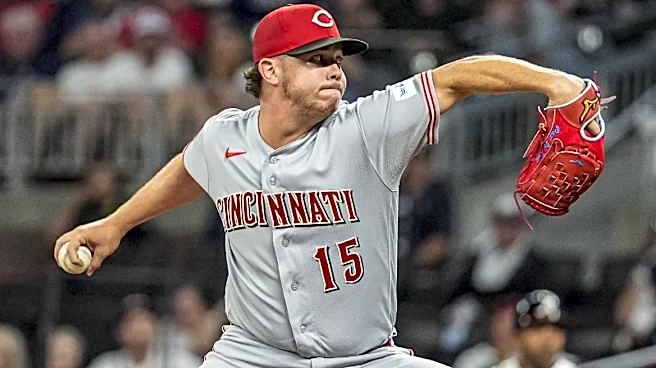
The Detroit Tigers have re-signed right-hander Sawyer Gipson-Long and left-hander Bailey Horn to minor league contracts, just two weeks after releasing them. This development was initially reported by Evan Woodbery of MLive and confirmed by the Tigers'
official MLB transaction log on November 16. President of baseball operations Scott Harris orchestrated these moves to retain pitchers with Major League experience without occupying valuable spots on the team's 40-man roster. Both pitchers were part of a larger roster shakeup on November 2, which aimed to create room on the 40-man roster for other offseason personnel decisions. Gipson-Long, 28, has faced injury challenges, including missing the 2024 season due to Tommy John surgery. Horn, also 28, is currently recovering from Tommy John surgery in July and is expected to miss most or all of the 2027 season. These signings are part of Harris's ongoing efforts to reshape the Tigers' pitching staff following a disappointing 2026 season, which also included exercising Drew Anderson's option and re-signing Jacob Waguespack, while declining Kenley Jansen's club option.
Why It's Important?
These re-signings are strategically important for the Detroit Tigers as they aim to build pitching depth and maintain roster flexibility. By bringing back Gipson-Long and Horn on minor league deals, the organization secures experienced arms without committing to 40-man roster spots, which are crucial for potential future acquisitions. This approach allows the Tigers to manage their roster more efficiently, especially given the injury histories of both pitchers. Gipson-Long's potential, despite his injury setbacks, and Horn's ongoing rehabilitation mean that their contributions might not be immediate, but their retention ensures that the team has options for the future. For the Tigers, who are looking to rebound from a disappointing 2026 season, these moves reflect a cautious yet forward-thinking strategy to strengthen their pitching staff and overall organizational depth, without making high-risk commitments.
What's Next?
The immediate next steps for Sawyer Gipson-Long and Bailey Horn will involve their respective rehabilitation and training programs. Gipson-Long will continue working to regain his form after previous injuries, while Horn faces a lengthy recovery from Tommy John surgery, likely sidelining him for most or all of the 2027 season. For the Detroit Tigers, these minor league signings free up 40-man roster spots, allowing President of baseball operations Scott Harris to continue exploring additional pitching opportunities and other roster adjustments as the team prepares for the upcoming season. The organization will likely focus on evaluating other potential free agents or trade targets to further bolster the team, particularly the pitching staff, as they aim to improve upon their 2026 performance. The long-term goal is to integrate these pitchers back into the system, potentially providing Major League depth once they are fully healthy and ready to contribute.
Beyond the Headlines
The re-signing of Gipson-Long and Horn highlights a common strategic maneuver in professional baseball, where teams release and then re-sign players to minor league contracts to manage their 40-man roster. This practice allows organizations to retain control over players they value for their potential or depth, especially those recovering from injuries, without tying up a valuable roster spot that could be used for more immediate needs or higher-priority acquisitions. It also underscores the financial and strategic considerations involved in roster construction, particularly for teams looking to rebuild or improve after a challenging season. For players like Gipson-Long and Horn, it offers a continued opportunity within an organization, even if it means a temporary step back to a minor league deal, providing a pathway to return to the Major Leagues once healthy and performing. This approach reflects a pragmatic balance between player development, injury management, and roster optimization in the competitive landscape of MLB.