


What's Happening?
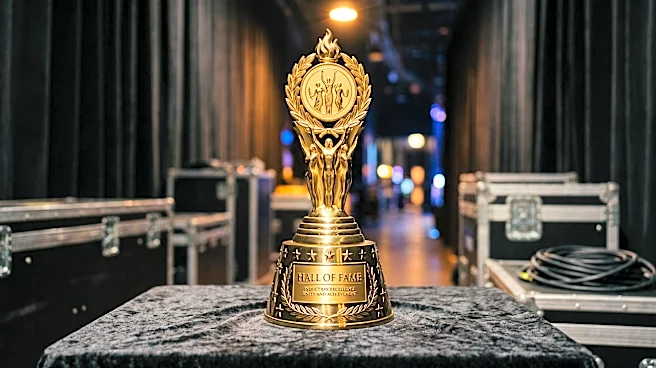
WWE Hall of Famer Jake Roberts has confirmed his re-signing with WWE after departing from All Elite Wrestling (AEW) earlier this year. Roberts announced his return during an appearance on Saturday’s Nick Club Wrestling Happy Hour, hosted by Nick Teodoro.
While he did not disclose the specific nature of his new agreement with WWE, he confirmed he is no longer associated with AEW, a promotion he joined in 2020. During his tenure with AEW, Roberts primarily managed Lance Archer, though his on-screen appearances became less frequent towards the end. He made his first official WWE appearance in several years at the SummerSlam Takeover event in Minneapolis, where he met fans and signed autographs. Roberts also discussed creative differences between WWE and AEW, suggesting that AEW President Tony Khan could better utilize the talent available to him, despite describing Khan as a 'sweet guy' and enjoying working for him personally.
Why It's Important?
This move by Jake Roberts highlights the ongoing competitive landscape between major professional wrestling promotions in the U.S., particularly WWE and AEW. The return of a veteran like Roberts to WWE, especially after a stint with a rival company, can influence fan perception and potentially shift talent dynamics. His comments regarding creative direction in AEW suggest a critical perspective on how talent is utilized, which could resonate with other performers and impact future talent acquisition strategies for both companies. For WWE, bringing back a Hall of Famer, even in an unspecified role, adds to its legacy and potentially its behind-the-scenes creative input. For AEW, losing a figure like Roberts, coupled with his public remarks on creative, could prompt internal discussions about talent management and storytelling approaches.
What's Next?
The immediate next steps involve Roberts's integration into WWE, though the specifics of his role remain undisclosed. It is unclear whether his new agreement will include television appearances, promotional work, or a behind-the-scenes capacity. His return could lead to new storylines or mentorship roles within WWE, leveraging his extensive experience. For AEW, Roberts's departure and his public comments might lead to increased scrutiny of its creative processes and talent utilization. Other wrestlers might observe these developments closely, potentially influencing their career decisions in the competitive U.S. wrestling market. The broader implications for both companies will depend on how Roberts's return is utilized by WWE and how AEW responds to the feedback regarding its creative direction.
Beyond the Headlines
Roberts's candid remarks about creative control in professional wrestling touch upon a deeper industry-wide challenge: balancing creative freedom with commercial viability and talent satisfaction. His observation that AEW President Tony Khan 'needs to loosen up the reins a little bit' suggests a potential tension between centralized creative control and empowering individual talent. This dynamic is crucial in an entertainment industry heavily reliant on character development and compelling narratives. The return of a legendary figure like Roberts to WWE could also symbolize a broader trend of veteran talent seeking environments where they feel their contributions are best valued, whether through creative input or strategic roles. This situation underscores the importance of creative autonomy and effective talent management in maintaining a vibrant and engaging product for wrestling fans.