







What's Happening?
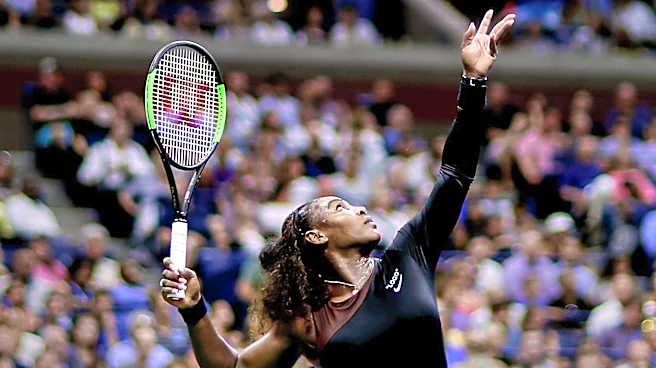
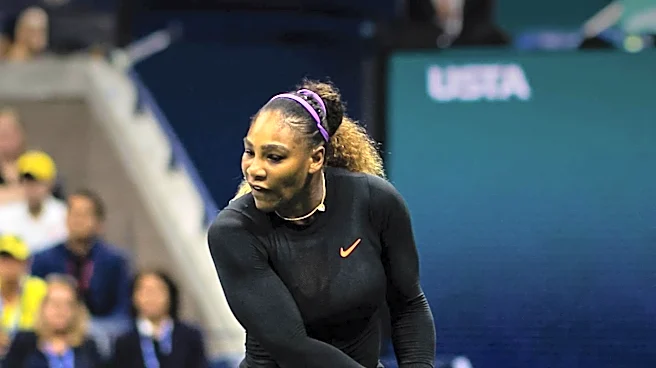
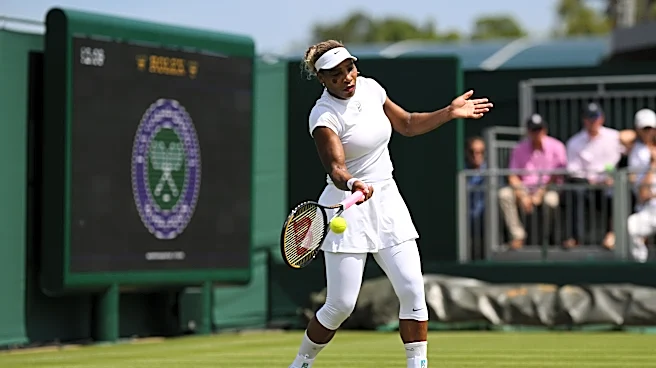
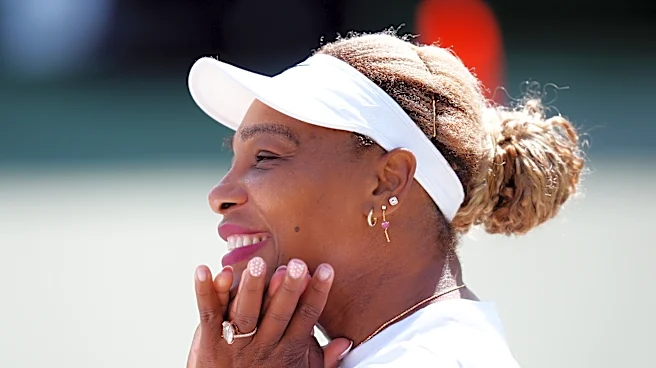
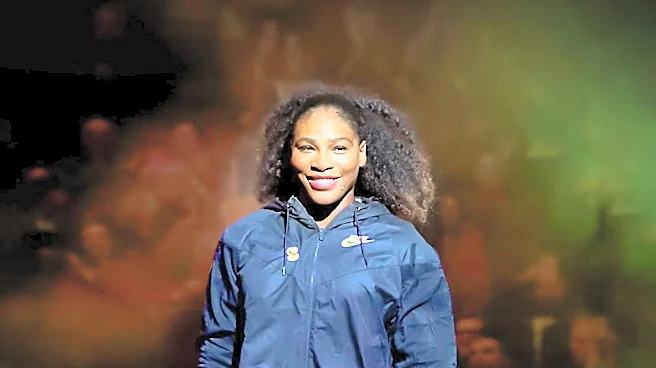
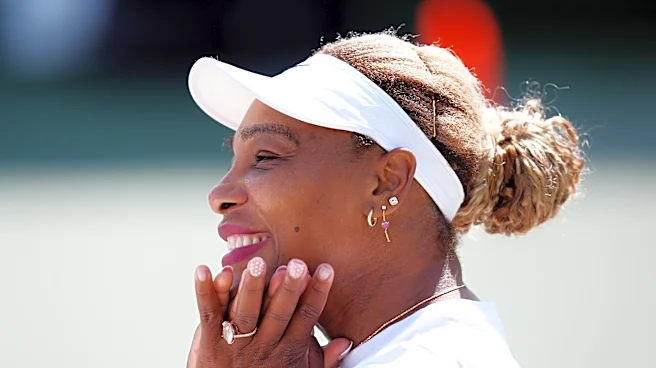
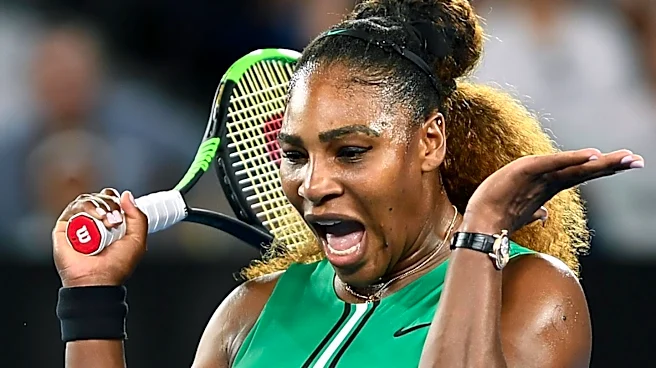
Serena Williams, a 23-time Grand Slam champion, is making a return to singles competition at Wimbledon after a nearly four-year hiatus from competitive singles play. Williams, who has been a dominant force in women's tennis, has decided to participate
in the singles event at Wimbledon, a tournament where she has previously won seven titles. Her decision comes after re-entering the anti-doping testing pool, indicating her intent to return to professional tennis. Despite her long absence, Williams has been preparing by playing doubles matches, although her singles comeback is seen as a significant challenge given her age and the physical demands of the sport.
Why It's Important?
Williams' return to singles competition is significant for several reasons. Firstly, it highlights her enduring influence and status in the sport, as she remains one of the most successful and recognizable figures in tennis. Her comeback could potentially inspire other athletes considering a return after a long break. Additionally, her participation in Wimbledon is expected to draw significant attention to the tournament, benefiting both the event and the sport's visibility. However, her return also raises questions about the physical demands on athletes as they age, and whether Williams can compete at the highest level after such a long absence.
What's Next?
As Williams prepares for her singles matches at Wimbledon, the tennis world will be watching closely to see how she performs. Her success or struggles could influence future decisions by other athletes considering comebacks. Additionally, her performance may impact her decision to continue competing in singles events or focus on doubles play. The reactions from fans, fellow players, and the media will also shape the narrative around her return and its implications for the sport.
Beyond the Headlines
Williams' return to singles play at Wimbledon also touches on broader themes of resilience and the challenges faced by athletes returning to competition after significant life changes, such as motherhood. Her comeback could spark discussions about the support systems in place for athletes balancing family and professional commitments, as well as the evolving nature of athletic careers in the modern era.