







What's Happening?
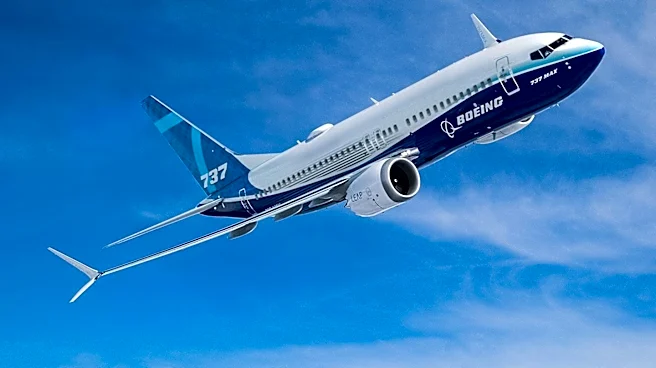
The Federal Aviation Administration (FAA) has ordered inspections for hundreds of Boeing 737 Max jets following reports of cracks in older models. The directive, effective September 10, applies to 471 planes across three 737 Max models. Although no cracks have
been found in these specific models, the FAA's decision is based on similarities in design and build processes with older models that have reported issues. Boeing has been working with operators on this issue for years and supports the FAA's directive. The inspections aim to address potential structural integrity concerns and ensure the safety of the aircraft.
Why It's Important?
The FAA's directive highlights ongoing safety and quality challenges faced by Boeing, particularly in the wake of past incidents involving the 737 Max series. Ensuring the structural integrity of these aircraft is crucial for maintaining public confidence in air travel safety. The inspections could impact airline operations and schedules, as affected planes undergo necessary checks. Boeing's response to these challenges will be closely monitored by industry stakeholders, as it seeks to restore its reputation and ensure compliance with safety standards. The directive underscores the importance of rigorous oversight in the aviation industry to prevent future incidents.
What's Next?
As the September 10 deadline approaches, airlines operating the affected Boeing 737 Max models will need to conduct the mandated inspections. The process may lead to temporary disruptions in flight schedules as planes are taken out of service for checks. Boeing will continue to work with operators to ensure compliance with the FAA's directive and address any identified issues. The aviation industry will closely watch the outcomes of these inspections and any subsequent actions taken by Boeing and the FAA to enhance safety and quality standards.