




What's Happening?
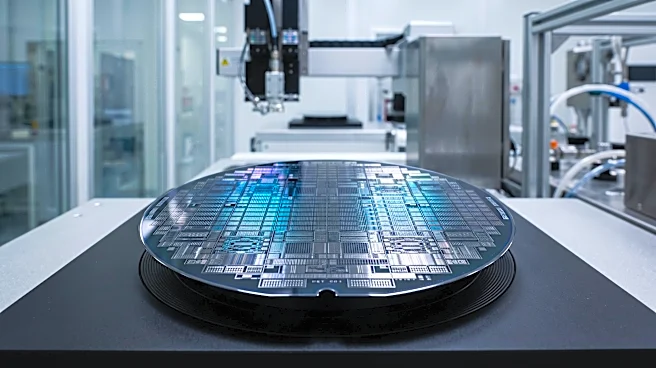
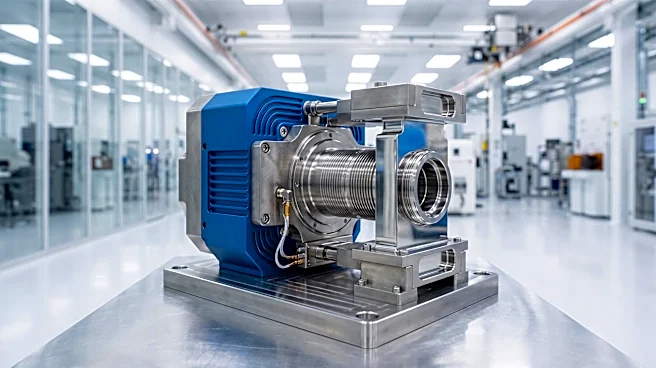
ASML Holding, a key supplier of advanced lithography systems essential for manufacturing cutting-edge AI and data center semiconductors, is facing potential challenges to its sales growth in 2026. The company, which generates approximately €39.5 billion
in semiconductor equipment and services revenue, provides the EUV tools that major chip suppliers, including those for Nvidia, depend on. An investor in the Simply Wall St Community, Investingwilly, highlights that ASML's AI-heavy order book is highly sensitive to policy and macroeconomic shocks. Specifically, macroeconomic uncertainty and new export restrictions to China are cited as factors that could stall the company's sales growth in 2026. China is expected to account for about 20% of ASML's sales this year, making any restrictions on this market particularly impactful. The broader context involves a shift in capital and repricing of risk within the semiconductor industry, influenced by political crossfire and regulatory scrutiny on AI supply chains.
Why It's Important?
The potential stall in ASML's sales growth carries significant implications for the global semiconductor industry and the broader U.S. technology sector. ASML's advanced lithography systems are critical for producing the most sophisticated chips used in AI and data centers. Any disruption to ASML's operations or sales directly impacts the ability of chipmakers to meet the escalating demand for high-performance semiconductors. For U.S. companies like Nvidia, which rely on these advanced chips, a slowdown in ASML's output could lead to supply chain bottlenecks, increased costs, and delays in product development and deployment. This situation underscores the vulnerability of the global tech supply chain to geopolitical tensions and export controls, particularly concerning critical technologies. The U.S. government's efforts to restrict China's access to advanced semiconductor technology, while aimed at national security, could inadvertently create ripple effects that impact the profitability and growth trajectories of key suppliers like ASML, ultimately affecting the availability and cost of advanced computing resources in the U.S.
What's Next?
The future trajectory for ASML Holding will largely depend on how policy-driven demand shifts and geopolitical risks, particularly new export restrictions to China, evolve. Investors and industry observers will be closely monitoring any developments in trade policies and international relations that could impact the flow of advanced semiconductor equipment. The company will likely need to adapt its sales strategies and potentially explore new markets or diversify its customer base to mitigate the impact of these restrictions. Furthermore, the broader semiconductor industry will be watching to see if these pressures reshape demand, pricing power, and capital flows for AI tools. The sensitivity of ASML's order book to these external factors suggests that the company's performance in 2026 could be a bellwether for the stability and growth prospects of the entire AI and semiconductor ecosystem, influencing investment decisions and strategic planning across the sector.
Beyond the Headlines
The situation with ASML highlights a deeper trend of technology becoming a central battleground in geopolitical competition. The reliance of advanced AI and data center technologies on a few highly specialized companies like ASML creates significant leverage points for national governments. This development raises ethical questions about the weaponization of technology and its potential to fragment global supply chains. The long-term implications could include a push towards greater technological self-sufficiency in various regions, potentially leading to increased R&D investments in domestic semiconductor manufacturing capabilities, even if less efficient. This could result in a more bifurcated global technology landscape, where different regions operate with distinct technological ecosystems, impacting global innovation, standardization, and economic interdependence. The ongoing tension underscores the complex interplay between national security, economic competitiveness, and technological advancement in the 21st century.