





What's Happening?
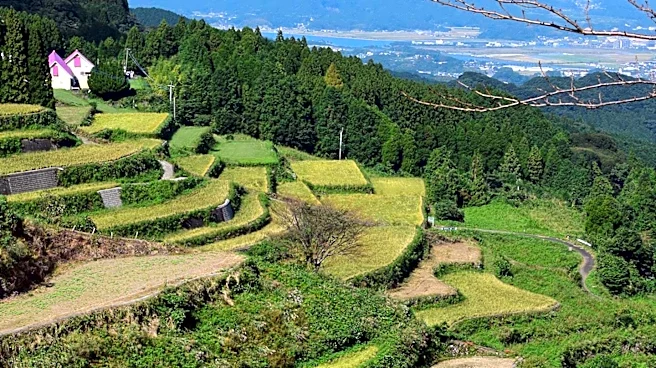
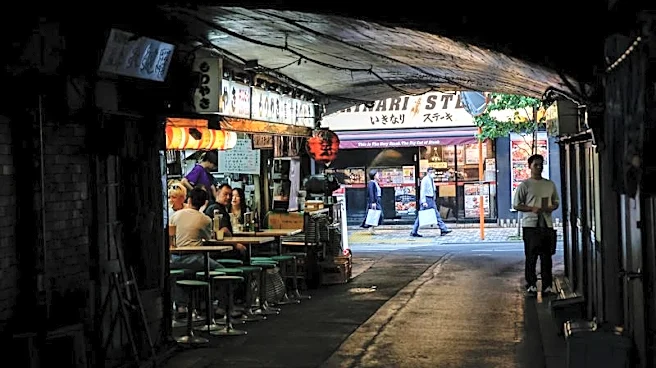
A new 14-day itinerary for first-time visitors to Japan is being promoted, moving beyond the traditional 'Golden Route' of Tokyo, Kyoto, and Osaka. This expanded itinerary integrates destinations in the Japanese Alps and countryside, such as Shirakawa-go,
Takayama, and Kanazawa. The plan suggests spending four days in Tokyo, followed by a journey through Takayama and Shirakawa-go, then Kanazawa, before proceeding to Kyoto and Osaka. This approach aims to offer a more diverse experience, combining the vibrant energy of major cities with the historical charm and natural beauty of less-frequented regions. The itinerary also provides practical advice on logistics, including luggage forwarding services and recommendations against purchasing national rail passes for this specific route, suggesting point-to-point tickets or regional passes instead.
Why It's Important?
This shift in recommended travel itineraries highlights a growing interest in exploring Japan beyond its most popular urban centers. By encouraging visits to regions like the Japanese Alps, it could help distribute tourism more evenly across the country, potentially boosting local economies in smaller towns and rural areas that have historically received less international attention. For travelers, it offers a richer cultural experience, showcasing Japan's diverse landscapes, traditional architecture, and unique local customs, such as Takayama's Edo-era merchant streets and Shirakawa-go's thatched farmhouses. This diversification of tourist destinations could also alleviate overcrowding in major cities, improving the experience for both tourists and residents.
What's Next?
Travelers planning a trip to Japan can utilize this detailed 14-day itinerary, which includes specific daily activities, transit times, and logistical tips. The recommendation to use luggage forwarding services and consider alternative rail pass options will likely become more prevalent for those venturing off the main tourist path. As more visitors explore these regions, local businesses in places like Takayama and Kanazawa may see increased demand for accommodations, dining, and cultural experiences. The success of such expanded itineraries could lead to the development of similar routes, further diversifying Japan's tourism offerings and promoting sustainable travel practices.
Beyond the Headlines
The promotion of itineraries that include less-visited regions reflects a broader trend in global tourism towards more authentic and immersive travel experiences. By encouraging engagement with local communities and traditional ways of life, such as staying in temple lodgings in Koyasan or exploring the historic streets of Kanazawa, this approach fosters a deeper understanding and appreciation of Japanese culture. It also addresses the challenge of over-tourism in popular destinations by redirecting visitors to areas that can benefit from increased economic activity. This strategy could contribute to the preservation of cultural heritage and natural landscapes in these regions, as tourism revenue can be reinvested in their upkeep and development.