




What's Happening?
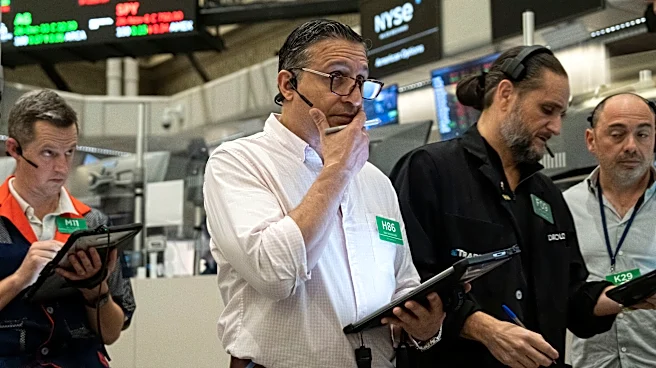
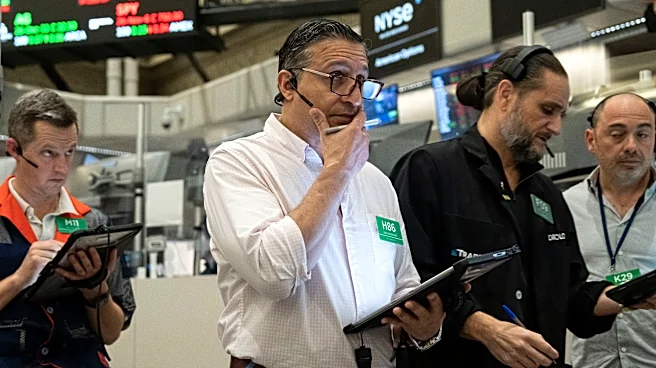
Nasdaq-100 futures experienced a decline on Thursday, with Nvidia shares leading the downturn in artificial intelligence-related stocks. Futures tied to the tech-heavy Nasdaq-100 fell by 0.9%, while S&P 500 futures dropped 0.4%. Dow Jones Industrial Average
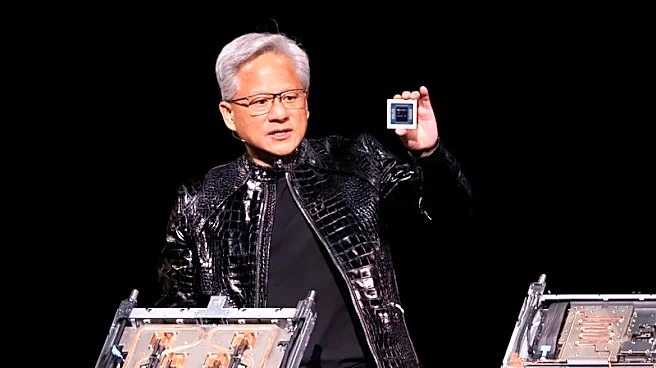
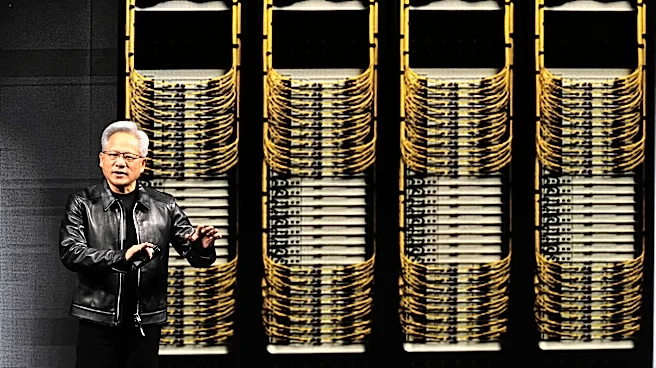
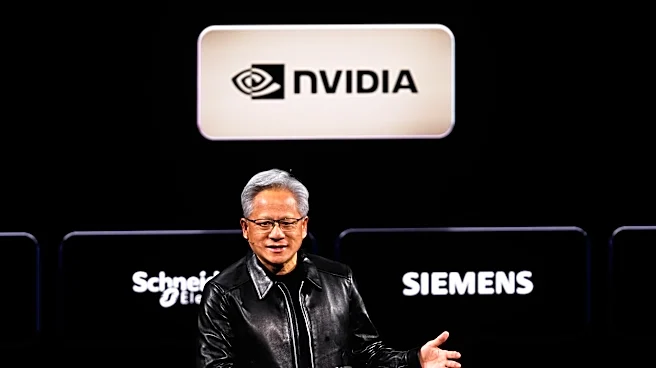
futures remained relatively flat. The selling pressure on Nvidia intensified following reports from The New York Times and The Wall Street Journal indicating that Nvidia's board is preparing to remove CEO Jensen Huang from his position. These reports cited an alleged extramarital relationship with a company executive and a previous affair with an alleged Chinese spy. Nvidia shares fell 7% in premarket trading as investors reacted to the potential leadership change. This development has prompted investors to reassess the sustainability of the AI-driven market rally.
Why It's Important?
The significant drop in Nvidia's stock and the subsequent decline in Nasdaq futures highlight the market's sensitivity to leadership stability in key technology companies, especially those at the forefront of major growth sectors like artificial intelligence. Nvidia has been a primary driver of the recent AI-driven market rally, and any uncertainty surrounding its leadership can trigger broader market volatility and a rotation out of AI-related investments. This event could lead investors to re-evaluate their exposure to companies heavily reliant on specific individuals or perceived as having single points of failure in leadership. The broader implications include potential shifts in investor confidence in the AI sector, prompting a more cautious approach to high-growth tech stocks and potentially impacting overall market sentiment in the U.S.
What's Next?
Investors will closely monitor further developments regarding Jensen Huang's position at Nvidia and any official statements from the company's board. The market's reaction will depend on the clarity and swiftness of Nvidia's response to these reports, as well as the potential announcement of a successor if Huang is indeed ousted. The performance of other AI-related stocks, such as CoreWeave and Advanced Micro Devices, will also be watched as indicators of broader investor sentiment towards the sector. Additionally, upcoming economic data, including initial jobless claims and existing home sales, will provide further clues on inflation, the labor market, and the overall economic outlook, which could influence market direction independently of the Nvidia situation. The situation could lead to increased scrutiny of corporate governance within major tech firms.
Beyond the Headlines
The reports surrounding Nvidia's CEO raise deeper questions about corporate governance, executive conduct, and their impact on market valuation, particularly in high-profile technology companies. Allegations of personal misconduct, especially those involving national security concerns, can have far-reaching consequences beyond immediate stock price fluctuations, potentially affecting brand reputation, employee morale, and regulatory scrutiny. This event could prompt boards of directors across the tech industry to review their internal policies regarding executive behavior and succession planning. Furthermore, it underscores the inherent risks associated with market rallies heavily concentrated in a few key companies or individuals, highlighting the potential for rapid shifts in investor sentiment based on non-financial factors. The incident may also fuel discussions about the intersection of personal conduct, corporate leadership, and market stability in the modern business landscape.