
What's Happening?
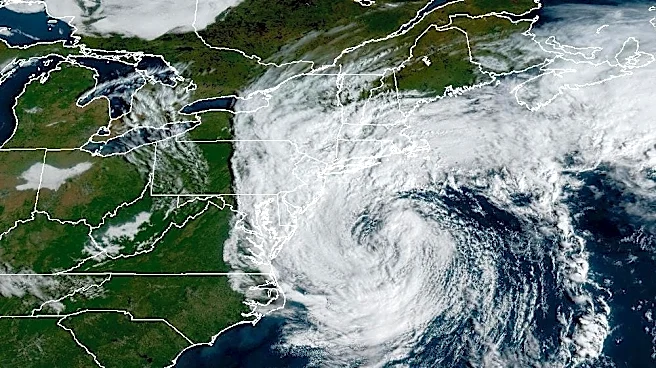
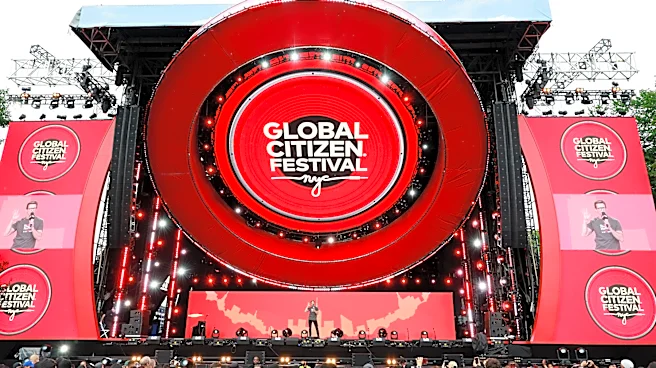
The annual Global Citizen Festival in Central Park, New York, has been canceled for the first time in its 14-year history, less than 24 hours before its scheduled kickoff. The decision was made due to an approaching
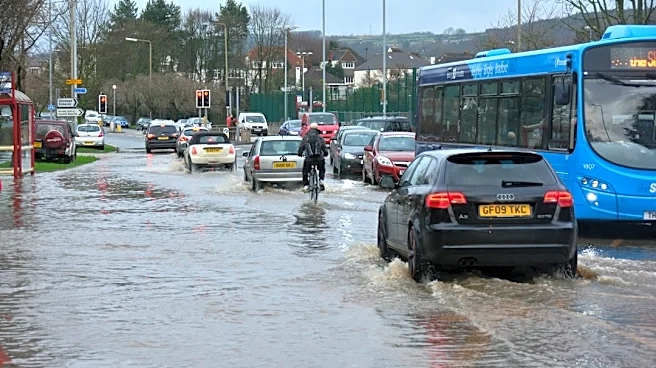
nor'easter, which is forecast to bring torrential rain, coastal flooding, and destructive winds across the East Coast. Event organizers, in consultation with the City of New York and NYC Parks leadership, determined that the severe weather projections made it unsafe to operate heavy staging equipment or gather large crowds. This cancellation has triggered a domino effect, leading to other high-profile concert disruptions across the Northeast, including Ed Sheeran's stadium dates in Foxborough, Massachusetts, and the All Things Go festival at Forest Hills Stadium in Queens. Despite the cancellation, the philanthropic initiatives tied to the event, which secured $208.8 million in funding commitments for various global causes, remain intact.
Why It's Important?
The cancellation of the Global Citizen Festival, a major international event, underscores the significant impact of severe weather on large-scale public gatherings and the broader entertainment industry. This event typically draws tens of thousands of attendees and features prominent artists, making its cancellation a substantial logistical and financial undertaking. The ripple effect on other concerts in the Northeast highlights the widespread disruption that such weather events can cause, affecting artists, venues, and local economies that rely on tourism and event-related spending. While the philanthropic commitments remain, the absence of the live event means a lost opportunity for public engagement and awareness-raising on critical global issues. For New York City, the cancellation also represents a loss of cultural vibrancy and economic activity associated with hosting such a large festival, impacting local businesses and service providers.
What's Next?
Ticket holders for the Global Citizen Festival will receive automated refunds, and individuals who made donations to gain access can claim refunds via email instructions. The focus for organizers has shifted from performance management to community relief and operational shutdown, including routing unused food prepared for the festival to New York City community food banks. Other affected events in the Northeast will also be managing cancellations and refunds. In the broader context, this event may prompt a re-evaluation of contingency planning for large outdoor events in regions prone to severe weather, potentially leading to stricter safety protocols or alternative venue considerations. The philanthropic initiatives, having secured substantial funding, will proceed with their planned allocations to education, agricultural support, and local relief efforts, demonstrating the resilience of the underlying charitable mission despite the event's cancellation.
Beyond the Headlines
The cancellation of the Global Citizen Festival due to a nor'easter serves as a stark reminder of the increasing frequency and intensity of extreme weather events, which many attribute to climate change. This incident highlights the growing challenge for event planners and urban centers to adapt to unpredictable weather patterns, potentially leading to higher operational costs, increased insurance premiums, and a greater emphasis on sustainable and resilient infrastructure. The decision to prioritize safety over a major cultural event also reflects a societal shift towards greater awareness of environmental risks. Furthermore, the continued commitment to the philanthropic goals despite the event's physical cancellation demonstrates the evolving nature of activism and charitable giving, where the impact can extend beyond a single gathering. This event could also spark discussions about the environmental footprint of large festivals and the potential for more climate-resilient event models in the future.