





What's Happening?
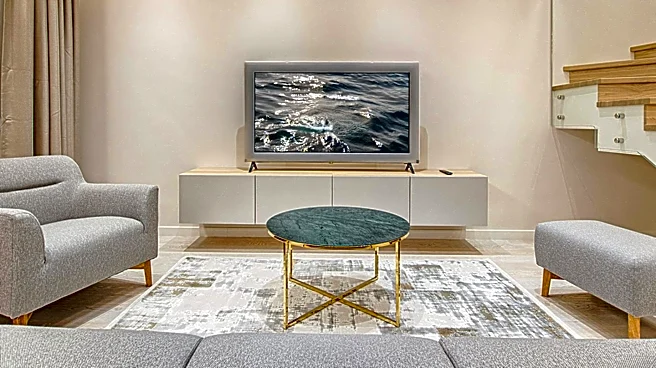
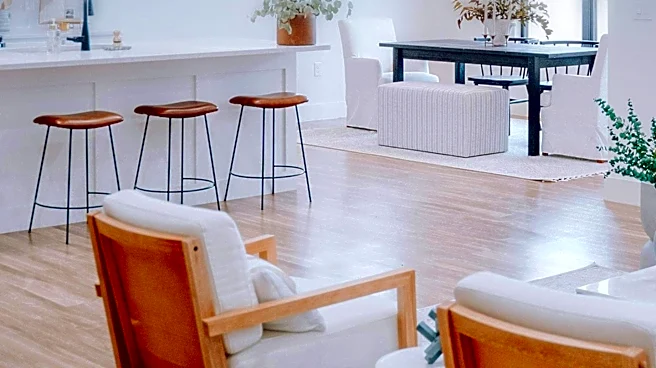
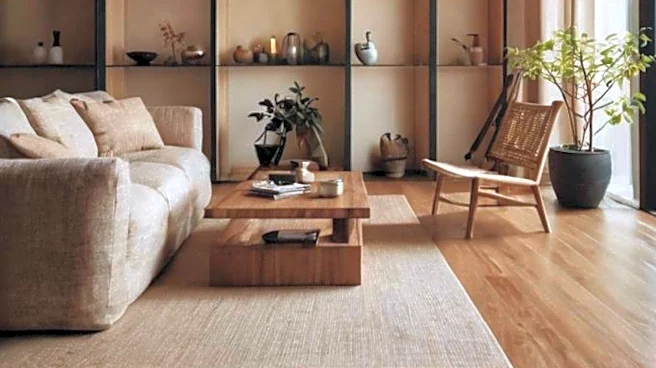
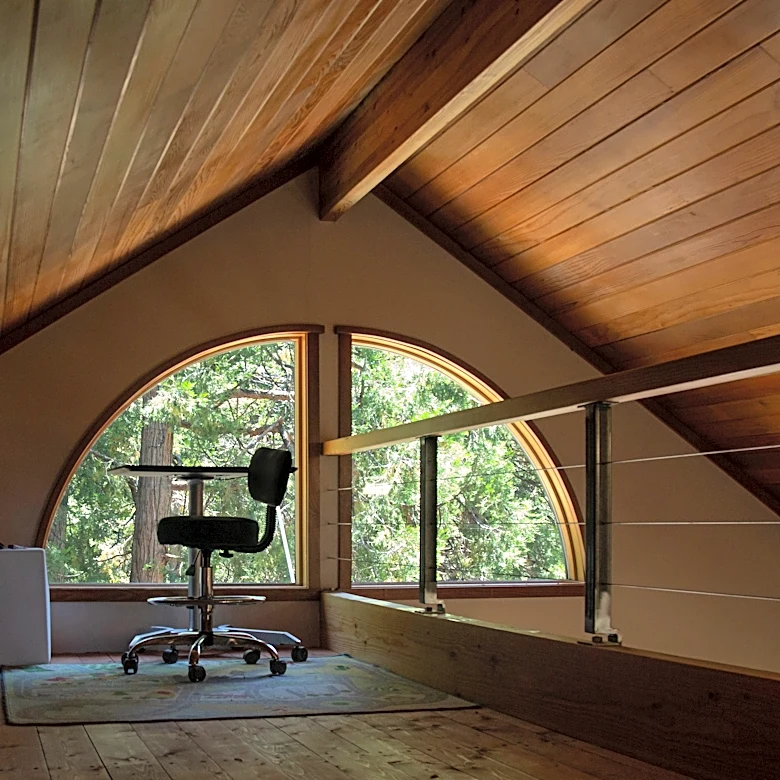
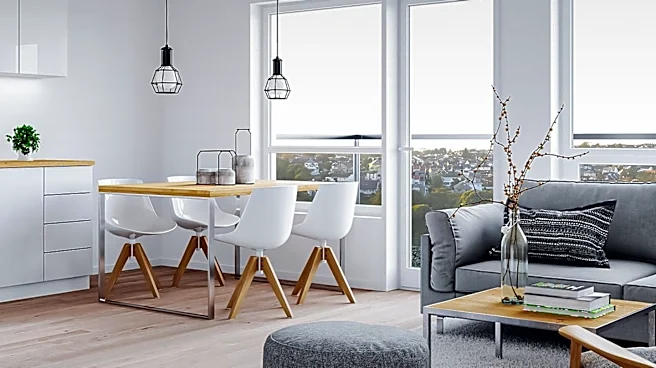
Japandi is an emerging interior design style that combines the minimalist principles of Japanese design with the functional warmth of Scandinavian interiors. This aesthetic emphasizes natural materials, subdued color palettes, and uncluttered spaces,
creating a serene and balanced atmosphere. It often incorporates elements like fine art photography, botanical prints, and minimalist landscapes to contribute to the room's overall balance without overwhelming it. The style is characterized by its focus on natural forms, quiet visual character, and the careful selection of objects. While sharing similarities with minimalism, Japandi is distinct as it is an interior design context, allowing for more visual complexity in elements like textured botanical studies or irregular organic forms, as long as they contribute to the room's calm ambiance. It is also frequently associated with wabi-sabi, a Japanese aesthetic valuing impermanence and natural imperfections, though Japandi is a modern style.
Why It's Important?
The growing popularity of Japandi reflects a broader societal shift towards creating more tranquil and functional living spaces, particularly in the U.S. This trend impacts the interior design industry, furniture manufacturers, and home decor retailers, as demand for natural materials, minimalist furniture, and specific art styles increases. Consumers are increasingly seeking designs that offer long-lasting appeal and a spa-like environment, moving away from fleeting trends. This emphasis on calm and restraint can influence mental well-being, offering a counterpoint to the fast-paced modern lifestyle. For businesses, understanding and adapting to this aesthetic can open new market opportunities in home furnishings, art, and architectural design, catering to a demographic that values thoughtful, sustainable, and aesthetically pleasing environments.
What's Next?
The continued adoption of Japandi style is likely to drive innovation in sustainable and natural material sourcing within the design and manufacturing sectors. We can expect to see more furniture lines, home accessories, and art collections specifically curated to fit this aesthetic. Interior designers and architects may increasingly integrate Japandi principles into their projects, particularly in urban environments where space optimization and a sense of calm are highly valued. Educational resources and workshops on Japandi design are also anticipated to grow, catering to both professionals and homeowners looking to implement this style. Furthermore, the integration of smart home technology that complements this minimalist and functional approach, such as subtle lighting solutions and automated systems, will likely become more prevalent.
Beyond the Headlines
Beyond its aesthetic appeal, Japandi embodies a deeper cultural and philosophical integration, merging the Japanese concept of 'wabi-sabi' with Scandinavian 'hygge.' This fusion promotes a lifestyle that values authenticity, imperfection, and comfort, encouraging a mindful approach to living. The style's emphasis on decluttering and purposeful objects can lead to a reduction in consumerism, as individuals prioritize quality over quantity and seek items that bring genuine value and tranquility to their homes. This could foster a more sustainable consumption pattern in the long run. Ethically, the focus on natural and often locally sourced materials can support artisanal crafts and environmentally friendly production methods, contributing to a more conscious design ecosystem. Culturally, it represents a global exchange of design philosophies, enriching the American interior design landscape with diverse influences.