








What's Happening?
Black-owned beauty and fashion brands are encountering significant difficulties, caught between large corporations reducing their diversity, equity, and inclusion (DEI) commitments and a consumer base expressing societal betrayal. The Lip Bar, a Black-owned beauty brand,
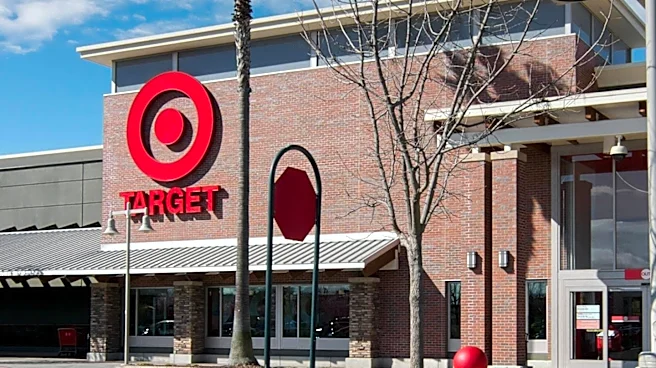
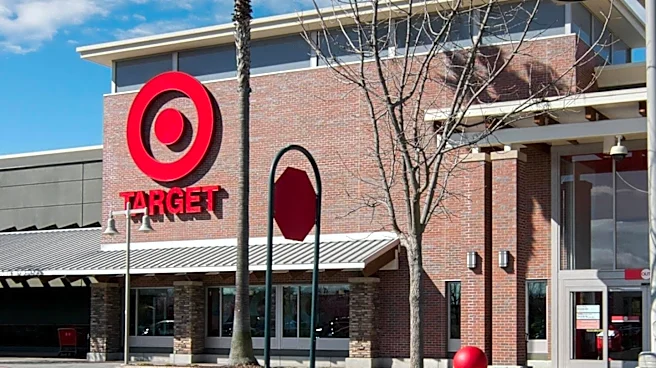
recently faced online criticism for its strategy to broaden its consumer base at Target, following Target's decision to dismantle its multi-billion-dollar DEI goals. This incident highlights a broader trend where Black founders, such as those behind Ami Colé and Hanifa, struggle with structural funding gaps, competition from larger entities, and intense public scrutiny. Ami Colé, a clean-beauty brand, permanently closed in September 2025 due to an inability to compete for prime retail shelf space and secure sustainable funding. Hanifa, a luxury-fashion label, paused production indefinitely after manufacturing delays led to consumer backlash. These examples illustrate the unique pressures on Black entrepreneurs, who often carry the economic aspirations and reputational stakes of their community.
Why It's Important?
This situation is important because it reveals the systemic challenges faced by Black-owned businesses in the U.S. market, particularly in the context of corporate DEI rollbacks. The struggles of these brands underscore how broader corporate policy shifts can disproportionately impact minority-owned enterprises. When large corporations scale back DEI initiatives, it can reduce opportunities and support systems for diverse businesses, making it harder for them to secure funding, retail presence, and market share. The intense consumer scrutiny, while sometimes rooted in a desire for community support, can also create an unsustainable burden on these brands, forcing them to navigate complex business decisions under public pressure. This dynamic affects not only the individual businesses but also the broader economic landscape for minority entrepreneurs, potentially hindering wealth creation and economic empowerment within Black communities.
What's Next?
The ongoing challenges for Black-owned brands suggest a continued need for strategic adaptation and community support. Brands may need to refine their growth strategies to balance broader market appeal with maintaining strong ties to their core demographic. For consumers, there's a call for greater understanding and grace towards Black entrepreneurs, recognizing the systemic hurdles they face. The debate also highlights the need for sustained advocacy for corporate accountability regarding DEI commitments. Future developments will likely involve continued discussions around the role of large retailers in supporting diverse suppliers, the effectiveness of venture capital in funding minority-owned businesses, and how consumer activism can be channeled constructively to support, rather than inadvertently harm, these enterprises. The long-term viability of many Black-owned brands may depend on finding innovative ways to navigate these complex market and social pressures.
Beyond the Headlines
Beyond the immediate business challenges, this trend touches upon deeper ethical and cultural implications. The expectation that Black-owned brands should perform 'miracles of community care, political resistance, and emotional validation' reflects a societal burden placed on these businesses that is not typically applied to their white counterparts. This pressure can lead to burnout and paralysis for founders, who are often seen as proxies for an entire demographic's capabilities. The narrative also highlights a double standard where white founders are afforded the 'luxury of individualism' and can fail without their downfalls being weaponized against their entire group. This disparity underscores the need for a more equitable business environment where all entrepreneurs are judged on their merits and business decisions, rather than carrying the weight of community representation and systemic issues.