


What's Happening?
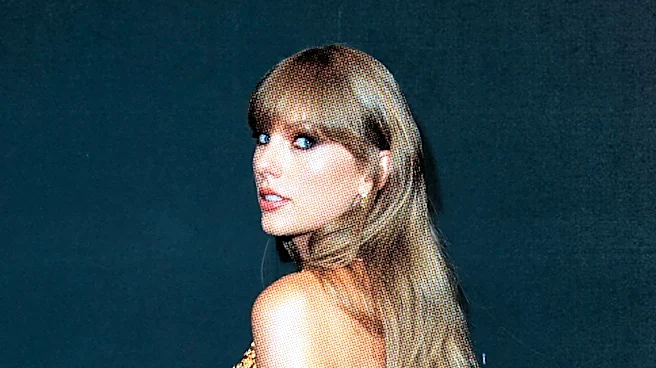
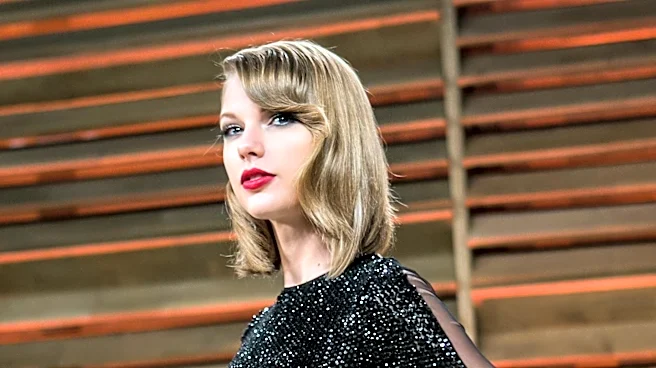
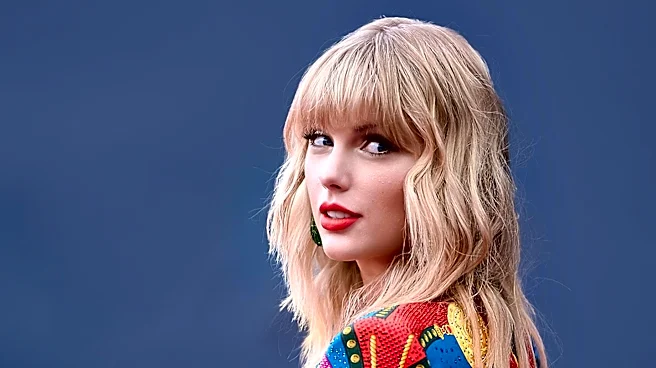
Taylor Swift is reportedly "livid" over a recent Vanity Fair profile that characterized her as "punitive," according to sources familiar with the singer. An insider claimed Swift takes everything personally and has a "very long memory," suggesting she
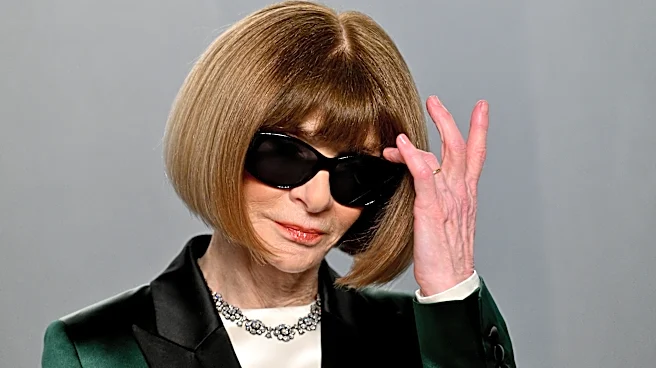
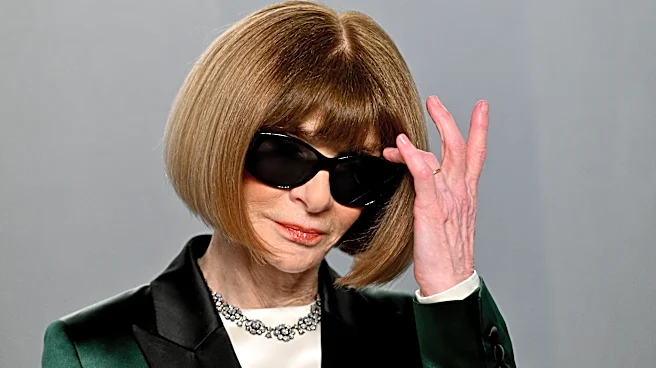
will not overlook the negative coverage. The fallout from the article has reportedly caused internal concern at Condé Nast, Vanity Fair's parent company. Some employees, including Vogue's head of editorial content Chloé Malle, reportedly questioned the decision to publish the piece, believing it lacked substance. Sources also suggested the article could jeopardize Condé Nast's future relationship with Swift, potentially impacting opportunities for Vogue covers or Met Gala attendance. However, a representative for Vogue and Anna Wintour denied reports of internal tension, stating there was "no truth to any of it," and affirmed Wintour's prior knowledge and approval of the article.
Why It's Important?
This situation highlights the delicate balance between journalistic integrity and celebrity relations within the media industry. For Condé Nast, a company heavily reliant on access to high-profile figures for its content, alienating a global superstar like Taylor Swift could have significant commercial and editorial repercussions. Swift's immense influence means that her displeasure could lead to a withdrawal of cooperation, impacting future features, covers, and event appearances across Condé Nast's portfolio. This incident also underscores the power dynamics between celebrities and media outlets, where critical coverage can be perceived as a breach of an unspoken agreement, potentially leading to a chilling effect on future reporting. The internal dissent reported within Condé Nast suggests a broader debate about editorial strategy and the value of maintaining celebrity goodwill versus publishing potentially controversial content.
What's Next?
The immediate aftermath will likely involve close observation of Taylor Swift's future interactions with Condé Nast publications. If Swift chooses to distance herself, it could impact upcoming editorial plans, particularly for high-profile events like the Met Gala or potential Vogue covers. Condé Nast may need to navigate this situation carefully to repair any perceived damage to its relationship with Swift and other celebrities who might be wary of similar critical profiles. The internal discussions within Condé Nast about editorial decisions may continue, potentially influencing future guidelines for celebrity coverage. The public and industry observers will be watching to see if this incident leads to any long-term shifts in how major media outlets approach reporting on powerful cultural figures.
Beyond the Headlines
This event touches upon deeper implications regarding the nature of celebrity journalism and the evolving relationship between public figures and the media. In an era where celebrities often control their narratives through social media, traditional media outlets face increasing pressure to maintain access while also upholding journalistic standards. The reported internal questioning at Condé Nast reflects a tension between the desire for exclusive content and the potential backlash from critical reporting. This incident could contribute to a broader discussion about the ethics of celebrity profiles, the definition of 'brutal' coverage, and the extent to which media companies should prioritize access over critical analysis. It also highlights the significant influence celebrities wield, capable of creating internal strife within major media conglomerates.