




What's Happening?
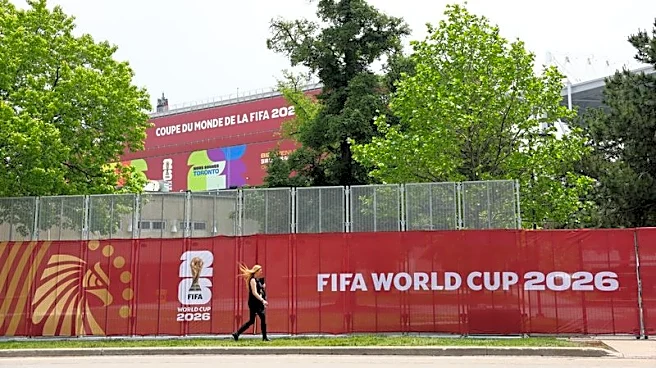
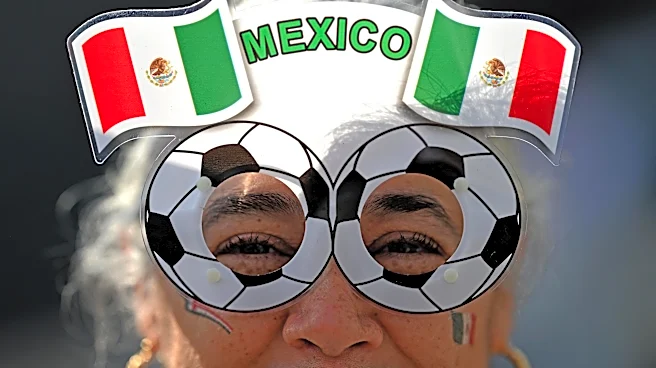
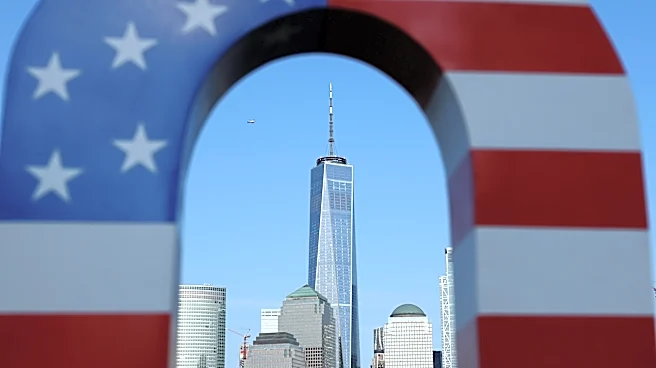
The 2026 FIFA World Cup, hosted by the United States, Mexico, and Canada, has released its match schedule, detailing fixtures, results, and features. The tournament, expanded to include 48 teams, is set to feature a new format with 12 groups of four teams each.
The top two teams from each group, along with the eight best third-place teams, will advance to the knockout stage. This expansion introduces an additional round of knockout matches, increasing the number of teams advancing from 16 to 32. Key matches include the United States facing Belgium in Seattle and Brazil playing Norway in East Rutherford, New Jersey. The final is scheduled to take place in East Rutherford, New Jersey, on July 19, 2026.
Why It's Important?
The 2026 FIFA World Cup marks a significant expansion in the tournament's format, increasing the number of participating teams from 32 to 48. This change is expected to enhance global representation and competitiveness, providing more nations the opportunity to participate on the world stage. For the United States, hosting the World Cup presents a substantial economic opportunity, potentially boosting tourism and local economies across host cities. The expanded format also increases the number of matches, which could lead to higher revenues from ticket sales, broadcasting rights, and sponsorships. Additionally, the tournament's presence in North America is likely to further popularize soccer in the region, potentially increasing youth participation and interest in the sport.
What's Next?
As the tournament approaches, preparations in host cities across the United States, Mexico, and Canada will intensify. Infrastructure improvements, including stadium upgrades and transportation enhancements, are expected to be a focus to accommodate the influx of international visitors. Teams will continue to prepare through international friendlies and qualifying matches to secure their spots in the tournament. The expanded format will require strategic planning from teams to navigate the additional knockout round. Stakeholders, including FIFA, local governments, and businesses, will collaborate to ensure the successful execution of the event, addressing logistical challenges and maximizing the tournament's economic and cultural impact.