


What's Happening?
Dole Whip, a popular treat at Disney World, is not exclusive to Disney parks and is widely available through various commercial channels. The product, created in 1983 by food scientist Kathy Westphal at Dole Food Company, is a non-dairy, dry-mix soft
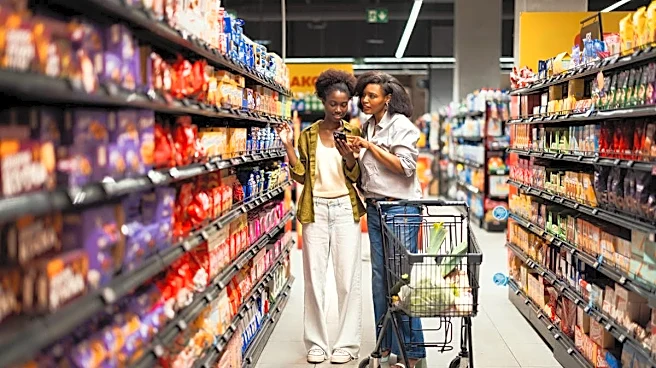
serve. Dole licenses its soft serve program to Kent Precision Foods Group, a food service company based in St. Louis. Kent Precision Foods Group then supplies the mix to numerous establishments across the country, including frozen yogurt chains like Menchie’s and SweetFrog, other amusement parks, universities, restaurants, and zoos. While often referred to as 'pineapple soft serve' outside of Disney, it is the same product. Dole also produces the mix in six other flavors: orange, lime, mango, raspberry, strawberry, and lemon. Since 2023, Dole has also sold packaged Dole Whip in grocery stores, making it even more accessible to consumers outside of theme parks. Disney's own published recipe for a home version of Dole Whip, released during the 2020 park closures, is described as 'inspired by' the original, indicating it is not the exact same product as the park version, which contains no ice cream.
Why It's Important?
The widespread availability of Dole Whip outside of Disney parks has significant implications for both consumers and the food service industry. For consumers, it means easier access to a beloved treat without the need for a Disney park visit, potentially increasing its consumption and market reach. This demystifies the perception of Dole Whip as a unique Disney-exclusive item, highlighting how commercial licensing agreements can broaden a product's distribution. For the food service industry, the licensing model demonstrates a successful strategy for expanding brand presence and revenue streams beyond a primary vendor. Kent Precision Foods Group's role in distributing the mix to a diverse range of venues, from frozen yogurt shops to universities, showcases the versatility and broad appeal of the product. This also underscores the power of brand association, where a product gains significant popularity through its connection to a major entertainment entity like Disney, even if it's not proprietary to them. The availability of packaged Dole Whip in grocery stores further disrupts the exclusivity, making it a direct competitor in the frozen dessert aisle.
What's Next?
The continued expansion of Dole Whip's availability, particularly through grocery store sales and diverse food service outlets, suggests a future where the product becomes an even more common household and commercial item. This trend could lead to increased competition in the frozen dessert market, prompting other food manufacturers to develop similar non-dairy soft serve options. Disney may need to re-evaluate its marketing strategies for Dole Whip within its parks, potentially emphasizing the 'experience' of consuming it at Disney rather than its exclusivity. The success of Dole's licensing model could also inspire other companies with popular, non-proprietary food items sold at major attractions to explore similar distribution channels. Furthermore, the availability of various flavors beyond pineapple could lead to a broader range of Dole Whip-inspired products and flavor combinations in the market, catering to diverse consumer preferences. The ongoing accessibility of Dole Whip outside Disney parks will likely continue to shape consumer expectations for convenience and availability of popular branded food items.
Beyond the Headlines
The story of Dole Whip extends beyond its simple commercial availability, touching upon the intricate relationship between brand perception, product origin, and consumer experience. The enduring popularity of Dole Whip at Disney parks, despite its non-exclusive nature, highlights the power of experiential marketing and the emotional connection consumers form with brands. Disney successfully integrated a commercially available product into its immersive environment, transforming it into an iconic 'Disney treat.' This raises questions about the authenticity of 'exclusive' theme park foods and how much of their appeal is tied to the location and atmosphere rather than the product itself. The fact that many consumers are surprised to learn Dole Whip is not a Disney original underscores the effectiveness of this branding. This phenomenon also reflects a broader trend in the food industry where popular items, often associated with specific venues, are increasingly made accessible through various retail and food service channels, blurring the lines between proprietary and licensed products. It also showcases the strategic decision-making by Dole Food Company to leverage a high-profile partnership to elevate a product's status and market reach.