




What's Happening?
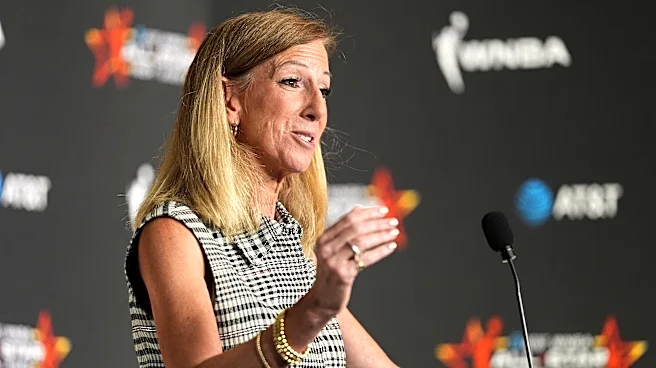
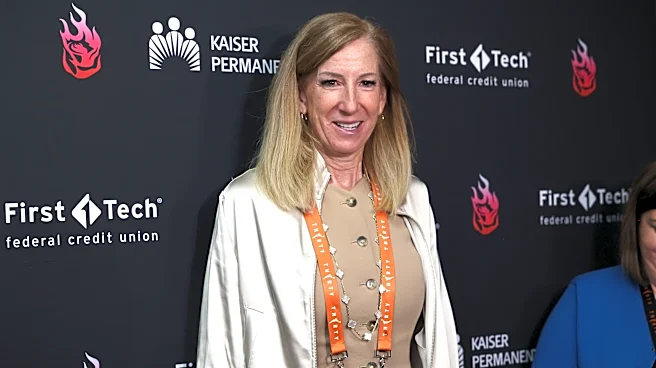
Cathy Engelbert, the Commissioner of the WNBA, has announced her decision to retire at the end of 2026 after a seven-year tenure. Her time as commissioner has been marked by significant growth for the league, including a substantial capital raise and
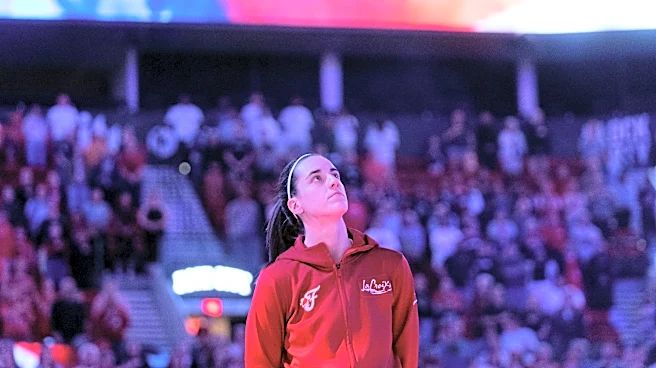
increased viewership, attendance, and merchandising sales, particularly following the arrival of Caitlin Clark. However, her leadership has also faced criticism for perceived shortcomings in addressing controversies, refereeing gaffes, and a perceived inability to fully leverage the league's newfound popularity. Engelbert was instrumental in navigating the league through the COVID-19 pandemic by establishing the 'Wubble' for the 2020 season and led a $75 million capital raise in 2022, which complicated the league's ownership structure by selling a 16 percent equity stake to investors. Despite these efforts, critics argue that she struggled to adapt to the league's evolving needs, particularly in managing its public image and player relations during a period of intense scrutiny and cultural debate.
Why It's Important?
Engelbert's departure comes at a pivotal moment for the WNBA, as the league experiences unprecedented growth and faces complex challenges. The capital raise she orchestrated, while providing crucial financial stability during a precarious time, has led to a more complex ownership structure and potentially undervalued the league's future worth. Her successor will inherit a league with heightened visibility and a passionate, yet sometimes divided, fanbase. The next commissioner will need to navigate the delicate balance of fostering continued growth, addressing player concerns, and managing the league's reputation amidst ongoing cultural and political discussions. The WNBA's ability to capitalize on its current momentum, resolve internal and external conflicts, and secure favorable media rights deals will largely depend on the leadership qualities of the incoming commissioner and their relationship with NBA Commissioner Adam Silver and the league's owners.
What's Next?
The search for Cathy Engelbert's successor will be a critical process, with NBA Commissioner Adam Silver playing a significant role in determining the next leader. The new commissioner will face immediate pressure to address ongoing issues such as communication with players, the league's stance on controversial social issues, and the need to further professionalize the WNBA's operations. Key tasks will include leveraging the increased interest generated by players like Caitlin Clark, expanding the league responsibly, and negotiating future media rights deals that reflect the WNBA's growing value. The incoming leader will also need to build stronger relationships with players, media, and other stakeholders to ensure the league's continued success and mitigate potential controversies. The direction Silver wants for the WNBA—whether a figurehead for day-to-day operations or a visionary leader—will heavily influence the selection and the league's future trajectory.
Beyond the Headlines
The WNBA's trajectory under Engelbert highlights a broader tension within rapidly growing sports leagues: the challenge of transitioning from a survival-focused entity to a thriving, influential organization. The league's historical reliance on the NBA for stability, while initially beneficial, now presents a potential constraint on its autonomy and ability to forge its own identity. The ethical and cultural dimensions of the league's growth are also significant, as it grapples with increased public scrutiny and the weaponization of its narratives for broader cultural wars. The next commissioner will not only need business acumen but also political savvy and a deep understanding of social dynamics to protect the league's inclusive values while navigating external pressures. The WNBA's journey reflects a larger societal shift in how women's sports are perceived and valued, and its leadership will play a crucial role in shaping this evolving landscape.