







What's Happening?
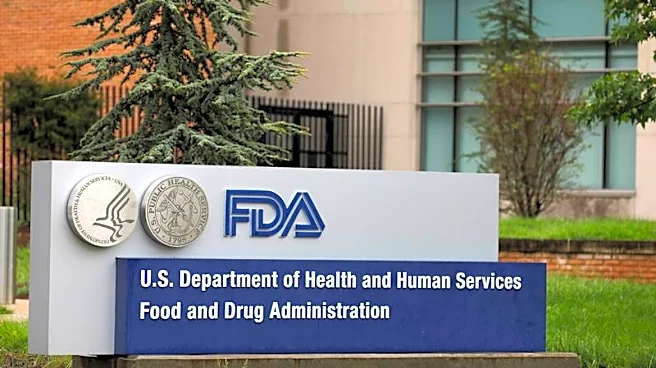
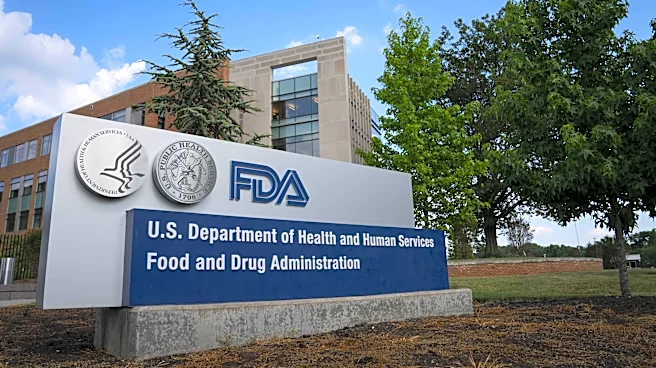
The U.S. Food and Drug Administration (FDA) is hosting a webinar to discuss the implementation of New Approach Methodologies (NAMs) in nonclinical development. This initiative is part of the FDA's draft guidance aimed at reshaping how nonclinical programs
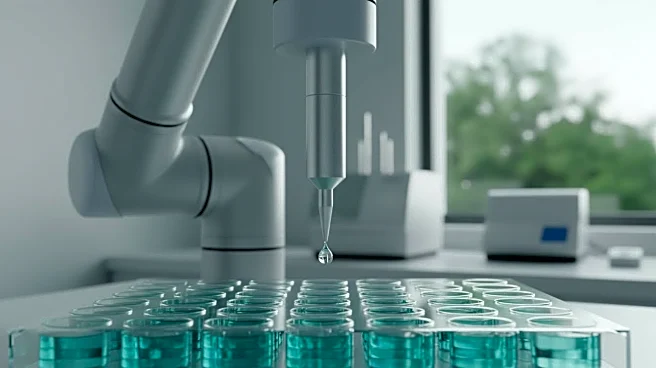
are designed and justified. The webinar will explore how sponsors can apply NAMs to streamline development processes, improve human relevance, and support Investigational New Drug (IND) decision-making within a weight-of-evidence framework. The session will cover FDA expectations for validation, including context of use and fit-for-purpose application, and demonstrate how to effectively position NAMs in regulatory interactions. Attendees will gain insights through real-world case examples that span in vitro, in silico, and data-driven approaches, highlighting how NAMs can address data gaps, reduce reliance on traditional models, and strengthen nonclinical programs.
Why It's Important?
The adoption of New Approach Methodologies (NAMs) represents a significant shift in the pharmaceutical and biotechnology industries, potentially leading to more efficient and ethical drug development processes. By reducing reliance on traditional animal testing models, NAMs can accelerate the development timeline, decrease costs, and improve the accuracy of human relevance in nonclinical studies. This shift is crucial for pharmaceutical companies aiming to bring new therapies to market more quickly and safely. Additionally, the FDA's support for NAMs could encourage broader industry adoption, fostering innovation and potentially leading to more effective treatments for patients. The webinar serves as a platform for industry stakeholders to understand and implement these methodologies, which could ultimately enhance drug safety and efficacy.
What's Next?
Following the webinar, pharmaceutical companies and other stakeholders are expected to evaluate and integrate NAMs into their nonclinical development processes. The FDA's guidance will likely lead to increased collaboration between regulatory bodies and industry players to refine and optimize these methodologies. Companies may begin to invest more in in vitro and in silico technologies, as well as data-driven approaches, to align with the FDA's expectations. This could also prompt further research and development in predictive modeling and data science to support the transition. As the industry adapts, there may be a shift in regulatory submissions and interactions, with a focus on demonstrating the validity and applicability of NAMs in supporting drug development decisions.