


What's Happening?
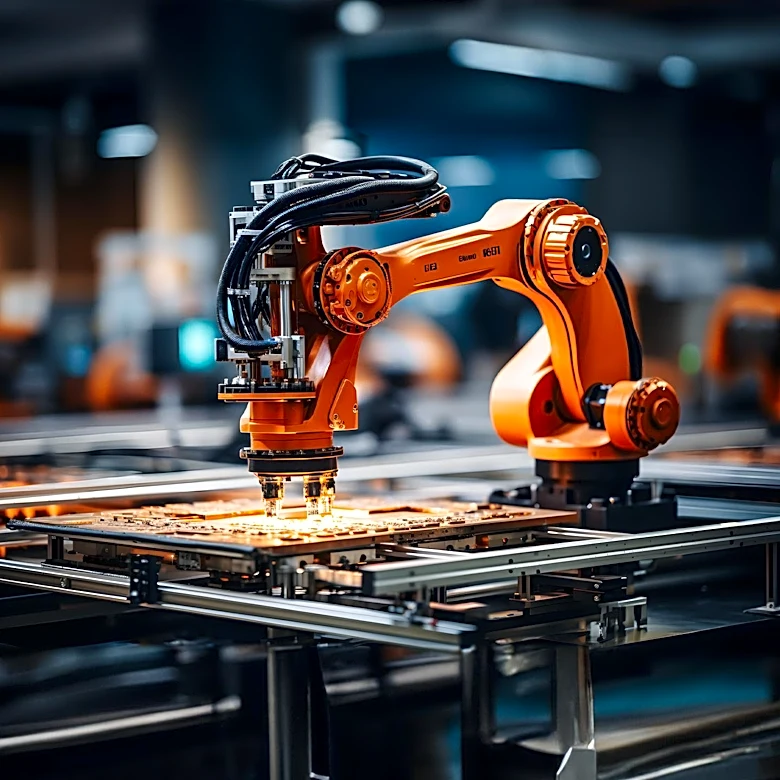
An AI software factory is a structured system where artificial intelligence agents handle various software development tasks, ranging from initial planning and coding to testing and review processes. This model operates like a factory, with standardized
steps ensuring that requests enter one end and verified software exits the other. The concept emphasizes a repeatable development system where AI agents perform a significant portion of the work traditionally done by humans. While AI agents manage the hands-on tasks, human oversight remains crucial for setting rules, approving changes at critical junctures, and maintaining accountability for the final product. This approach aims to standardize and streamline software production, drawing parallels to manufacturing processes where consistent quality and output are paramount. The term 'software factory' itself is not new, with its origins tracing back to Hitachi in 1969, but its modern iteration is heavily influenced by the integration of AI agents.
Why It's Important?
The rise of AI software factories signifies a transformative shift in how software is developed, potentially leading to significant improvements in efficiency and delivery processes. By automating repetitive tasks, AI agents can accelerate the pace of development, allowing human developers to focus on more complex problem-solving and strategic decision-making. This model could drastically reduce development cycles and enhance the consistency and quality of software products. For businesses, this means faster time-to-market for new applications and updates, which is a critical competitive advantage in today's rapidly evolving technological landscape. The conversation around AI factories is reportedly occurring at the board level, indicating its perceived strategic importance for corporate growth and operational excellence. However, the challenge lies in bridging the gap between current incremental improvements and the expected order-of-magnitude outcomes, ensuring that the benefits outweigh the complexities of integrating AI into core development workflows.
What's Next?
The future of AI software factories will likely involve further refinement of the interaction between AI agents and human oversight. Key areas of focus will include developing more sophisticated review mechanisms to keep pace with the rapid code generation by AI agents, ensuring that quality and security are not compromised. Additionally, managing and predicting the costs associated with AI agent operations—such as compute and model time—will be crucial for widespread adoption. Organizations will need to establish clear approval points and robust monitoring systems to prevent unchecked spending and ensure transparency. The ongoing evolution will also address how to effectively integrate these AI-driven processes into existing enterprise architectures, ensuring seamless workflow transitions and data integrity. The goal is to maximize the efficiency gains from AI while maintaining human control and accountability over the software development lifecycle.
Beyond the Headlines
The widespread adoption of AI software factories could trigger deeper implications for the software development industry and the broader economy. Ethically, it raises questions about the future of human roles in software engineering, potentially shifting job requirements from direct coding to AI management, oversight, and strategic architecture. Legally, the accountability for errors or vulnerabilities introduced by AI-generated code will need to be clearly defined, potentially leading to new regulatory frameworks. Culturally, it could foster a new paradigm of human-AI collaboration, where the lines between human and machine contributions become increasingly blurred. Long-term, this development could lead to a significant increase in software output, impacting various sectors by accelerating digital transformation and innovation. However, it also necessitates a re-evaluation of skill sets, educational programs, and organizational structures to adapt to this new, AI-augmented development environment.