



What's Happening?
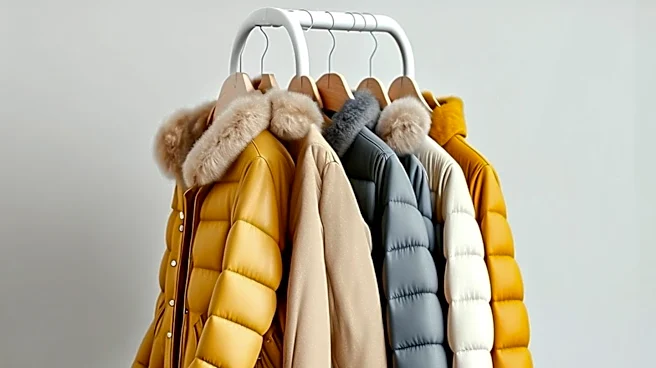
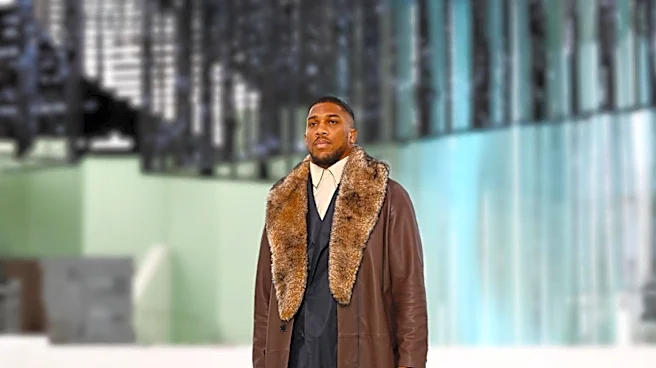
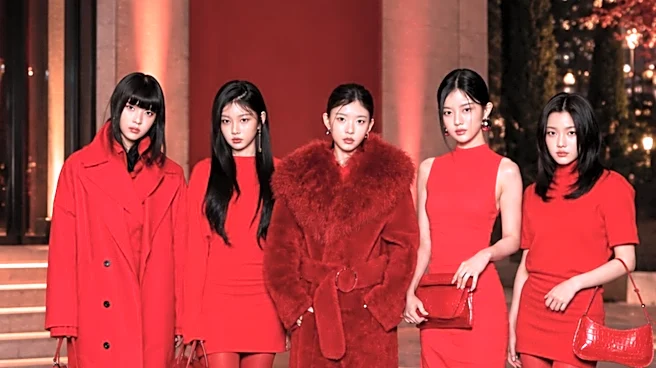
The fashion brand Sandy Liang is highlighted for its prominent use of faux fur trims in the Fall/Winter 2026 collections. This trend sees plush surfaces, shearling-look finishes, and fur trims dominating outerwear across both womenswear and menswear.
Faux fur, after a period of vintage fur revival, has made a significant return to the runway, with various designers incorporating it into their collections. While full fur coats are evolving into cropped jackets, trims remain a popular and wearable entry point for the trend. Sandy Liang is specifically mentioned alongside other designers like Christian Cowan for featuring these fur trims.
Why It's Important?
The resurgence of faux fur, as exemplified by brands like Sandy Liang, signifies a notable shift in the fashion industry's approach to materials and sustainability. This trend impacts U.S. consumers by offering more ethical and accessible alternatives to real fur, potentially influencing purchasing decisions and driving demand for faux fur products. For U.S. retailers and manufacturers, this means an increased focus on sourcing and producing high-quality faux fur, which could lead to innovation in textile development and manufacturing processes. The emphasis on trims also suggests a more subtle and versatile integration of the trend, making it appealing to a broader consumer base and potentially boosting sales in the outerwear and accessories markets. This trend also reflects a broader cultural movement towards conscious consumption, where consumers are increasingly seeking stylish yet ethically produced goods.
What's Next?
Looking ahead, the continued prominence of faux fur, as seen in Sandy Liang's designs, suggests that this material will remain a key element in upcoming fashion seasons. We can anticipate further innovation in faux fur textures and applications, with designers exploring new ways to incorporate it into various garments and accessories. Retailers are likely to expand their offerings of faux fur products, from full coats to smaller accents, to meet consumer demand. The industry may also see increased investment in research and development for sustainable and high-quality faux fur alternatives, potentially leading to new materials that mimic the look and feel of real fur even more closely. This trend could also influence other sectors, such as home decor, where faux fur textiles might become more prevalent.
Beyond the Headlines
The widespread adoption of faux fur by influential brands like Sandy Liang carries deeper implications beyond mere fashion trends. It underscores a growing ethical consciousness within the industry and among consumers, challenging traditional perceptions of luxury and status associated with real fur. This shift could further marginalize the use of real fur, impacting the fur trade and animal welfare advocacy efforts. Culturally, it reflects a broader societal move towards cruelty-free products and sustainable practices. Legally, it might prompt discussions around labeling standards for faux fur to ensure transparency for consumers. The embrace of faux fur also highlights the power of design and innovation to create desirable alternatives that align with evolving ethical values, potentially setting a precedent for other industries grappling with similar ethical dilemmas.