




What's Happening?
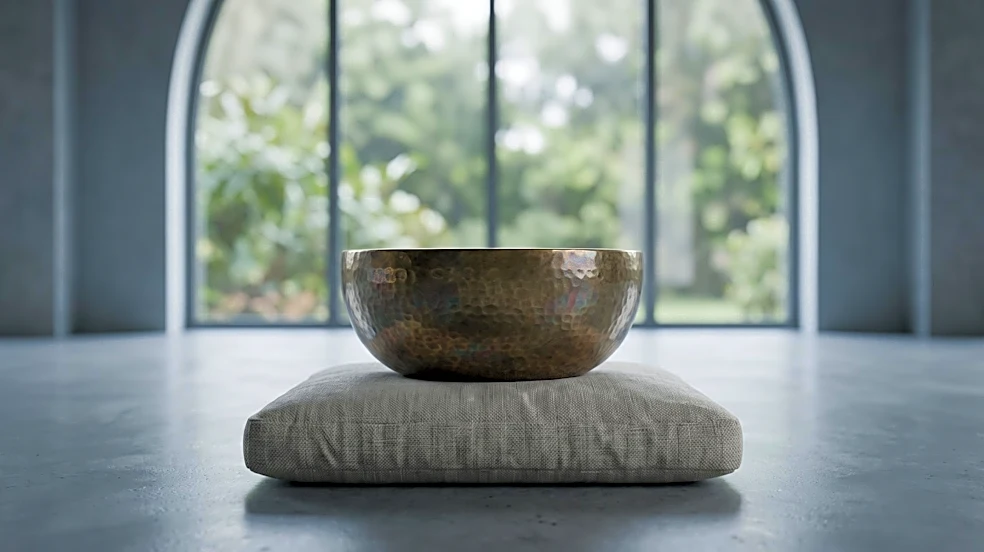
Sound baths, also known as sound healing sessions, are gaining traction as a method for achieving deep relaxation and mental clarity. This meditative practice involves individuals lying down comfortably while a practitioner plays various instruments such
as singing bowls, gongs, and chimes. The gentle vibrations and sound waves produced by these instruments are designed to slow breathing, quiet the mind, and guide the body into a state of profound rest. The experience requires no prior effort or experience, making it accessible to a wide range of participants, from beginners to digital nomads seeking to quiet screen-heavy minds. Many wellness retreats and spas are now incorporating sound baths into their offerings, recognizing their effectiveness in promoting overall well-being. The practice is often highlighted for its ability to help the body shift into a 'rest-and-restore' mode, offering a gentle reset for both mind and body.
Why It's Important?
The growing popularity of sound baths signifies a broader trend in wellness towards holistic approaches that address both physical and mental well-being. In an increasingly fast-paced and stressful society, practices that offer effortless stress release and deep relaxation are becoming vital. The reported benefits, such as improved sleep, reduced anxiety, decreased blood pressure and heart rate, and enhanced mental clarity, address common health concerns. This trend indicates a shift in consumer demand for wellness experiences that are not just luxurious but also scientifically supported and impactful. For the wellness industry, this means an expansion of services beyond traditional spa treatments, incorporating more mind-body practices. It also highlights a recognition that mental health and stress management are integral components of overall health, driving innovation in how these needs are met.
What's Next?
As awareness and demand for sound baths continue to grow, it is likely that more wellness centers, spas, and even corporate wellness programs will integrate these sessions. We can expect to see an increase in specialized sound healing practitioners and a wider variety of sound bath experiences, potentially incorporating other meditative or therapeutic elements. Research into the physiological and psychological benefits of sound therapy may also expand, providing further scientific validation for the practice. Additionally, the accessibility of sound baths might increase through online guided sessions or more community-based offerings, making it easier for individuals to incorporate this form of relaxation into their regular routines. The integration of sound baths with other wellness modalities, such as yoga, meditation, and even contrast therapy, is also a foreseeable next step, creating more comprehensive wellness journeys.
Beyond the Headlines
Beyond the immediate benefits of relaxation, the rise of sound baths points to a deeper cultural yearning for disconnection from digital overload and reconnection with inner peace. In a world saturated with constant stimulation, practices that encourage stillness and sensory immersion offer a valuable antidote. The emphasis on 'effortless' participation in sound baths also reflects a desire for accessible wellness solutions that don't require extensive training or physical exertion. This trend could also foster a greater appreciation for the therapeutic potential of sound and vibration, potentially influencing other fields like healthcare and therapy. Ethically, as the practice gains popularity, there may be a need for standardization and certification for practitioners to ensure quality and safety, especially for individuals with specific health conditions. The long-term impact could be a more widespread acceptance of alternative and complementary therapies within mainstream wellness paradigms.