

What's Happening?
AI video generators are making it easier to produce calming, aesthetic reels for self-care routines, transforming simple photos into soothing video content. Tools like Dreamina's Seedance 2.5 model allow users to upload a single image of a self-care moment
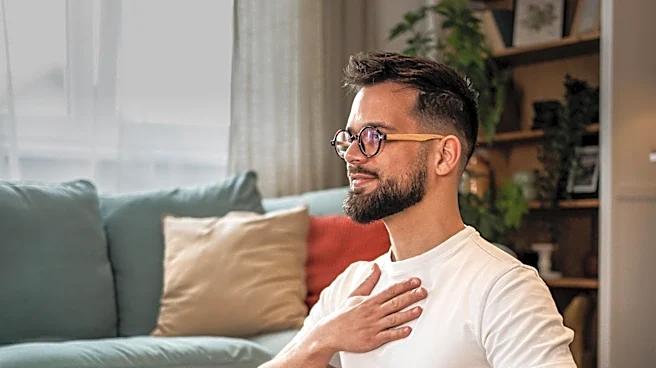
and generate a gentle, unhurried reel. The process involves selecting a photo that captures a genuine, unforced moment, such as a skincare step or a quiet cup of tea, and then using AI to add subtle, deliberate movements like flickering candlelight or rising steam. The emphasis is on restraint and authenticity, avoiding over-production to maintain a genuinely calming mood. These aesthetic reels are particularly effective on platforms like Instagram Reels, TikTok, and YouTube Shorts, catering to wellness and slow-living content channels, as well as personal mental health accounts and wellness brand marketing.
Why It's Important?
The simplification of creating aesthetic self-care content through AI is significant for several reasons. It democratizes content creation, allowing individuals and small businesses to produce high-quality, engaging visuals without extensive video editing skills or equipment. This can help promote mental well-being by making self-care routines more accessible and visually appealing, encouraging others to adopt similar practices. For wellness influencers and brands, it offers an efficient way to connect with audiences through authentic, calming visuals that resonate with the growing demand for mindfulness and slow living. The focus on genuine moments over staged elaborate routines helps combat the performative aspect often seen in online self-care content, fostering a more relatable and impactful message. This trend also highlights the evolving role of AI in creative industries, enabling users to translate simple inputs into sophisticated visual narratives.
What's Next?
The trend of using AI for aesthetic self-care content is likely to expand, with more sophisticated AI tools offering greater customization and ease of use. We can expect to see an increase in personalized wellness content, as individuals can easily create visuals that reflect their unique routines and preferences. This could lead to a more diverse and authentic representation of self-care online, moving away from generic, aspirational imagery. Wellness brands may further integrate AI-generated content into their marketing strategies, creating engaging campaigns that resonate with consumers seeking genuine connection and calm. Additionally, as AI technology advances, there might be features that allow for real-time generation of self-care content based on user input or even biometric data, offering highly personalized visual experiences. The emphasis on authenticity and restraint will likely continue to be a key differentiator for effective self-care reels.
Beyond the Headlines
The rise of AI-generated aesthetic self-care reels touches upon deeper cultural and psychological implications. In an increasingly fast-paced and visually saturated world, there's a growing yearning for calm, authenticity, and mindfulness. AI tools that facilitate the creation of such content tap into this desire, offering a digital antidote to the overwhelming nature of modern life. However, it also raises questions about the nature of authenticity in an AI-driven landscape; while the source photo might be genuine, the generated video is still an AI interpretation. This could lead to a subtle shift in how we perceive and consume 'authentic' experiences online. Furthermore, the ease of creating visually appealing self-care content might inadvertently contribute to a performative aspect, even if the intention is genuine, as individuals might feel pressure to constantly curate and share their wellness journeys. Ultimately, it reflects a societal need for tranquility and self-nurturing, mediated through technological advancements.