







What's Happening?
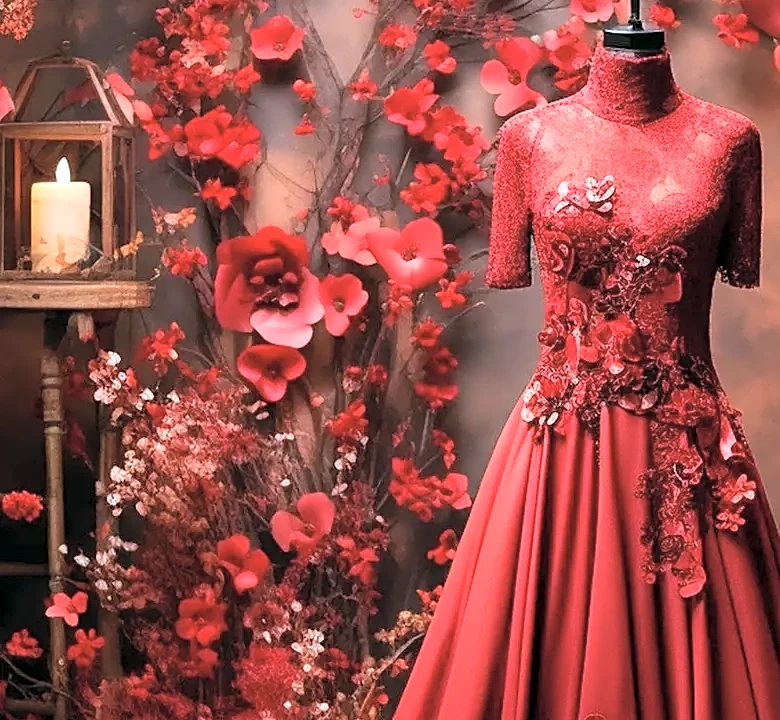
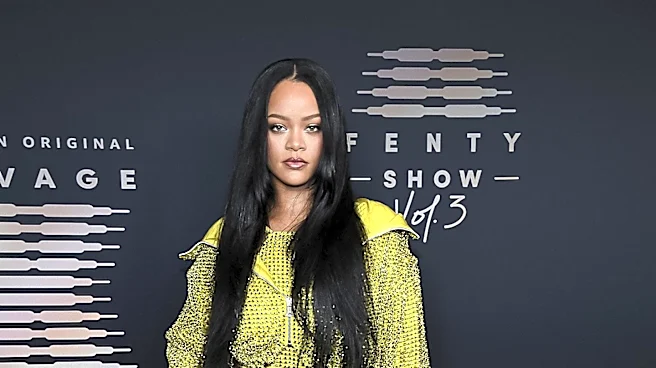
TikTok Shop's U.S. Product Listing Policy now requires fashion listings to include at least one photo of a real person wearing the item. This is part of a broader set of guidelines for product images, which stipulate that the main image must show the front
of the product on a pure white background, with other images covering various angles, details, and accessories. All images must be at least 600x600 pixels, in color, and free of logos, text, borders, watermarks, or graphics. The policy also addresses AI-generated content, permitting it only if it accurately represents the real product without altering its size, color, shape, features, or performance, or creating false scales. Listings are graded, with a 'Good' tier requiring five or more images and adherence to the human model rule for fashion items. The platform explicitly warns against galleries created from a single base photo with only color or clothing edits.
Why It's Important?
These updated policies are significant for U.S. fashion brands and sellers utilizing TikTok Shop, as they aim to enhance listing quality and consumer trust. By mandating real human models for fashion items, TikTok is likely seeking to provide a more authentic representation of clothing, reducing discrepancies between product images and actual appearance. This could lead to fewer returns and increased customer satisfaction, ultimately benefiting both consumers and reputable sellers. For brands, it means adapting their content creation strategies to meet these new visual standards, potentially increasing production costs but also improving their product presentation. The restrictions on AI-generated content further emphasize a commitment to authenticity, preventing misleading visual enhancements that could misrepresent products.
What's Next?
Fashion brands and individual sellers on TikTok Shop will need to review and update their product listings to comply with the new photo requirements, particularly the mandate for real human models. This may involve new photoshoots or content creation efforts. Non-compliant listings could face lower visibility or removal, pushing sellers to quickly adapt. The platform may also increase its enforcement of these policies, potentially through automated checks and manual reviews. Brands that successfully integrate these guidelines into their marketing strategies could see improved engagement and sales, while those that fail to adapt might struggle to compete effectively on the platform. The emphasis on authenticity could also influence broader e-commerce trends, encouraging other platforms to adopt similar standards.
Beyond the Headlines
The move by TikTok Shop reflects a growing industry-wide concern about authenticity and transparency in online retail, particularly in the fashion sector where visual representation is crucial. The platform's detailed guidelines, including those for AI-generated content, highlight the challenges of maintaining trust in an era of advanced digital manipulation. This could set a precedent for how e-commerce platforms regulate visual content, pushing for more realistic and less deceptive product imagery. Ethically, it addresses consumer expectations for accurate product portrayal, reducing the potential for disappointment and fostering a more trustworthy shopping environment. Culturally, it reinforces the value of human connection and authenticity in digital commerce, potentially shifting consumer preferences towards brands that prioritize genuine representation.