

What's Happening?
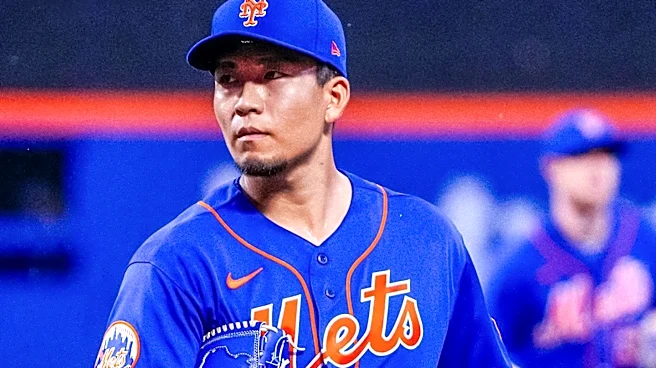
The New York Mets have significantly invested in their roster this offseason, spending over $700 million on new contracts and extensions. This substantial outlay follows a disappointing 2026 MLB campaign for the team. The largest single acquisition is the signing
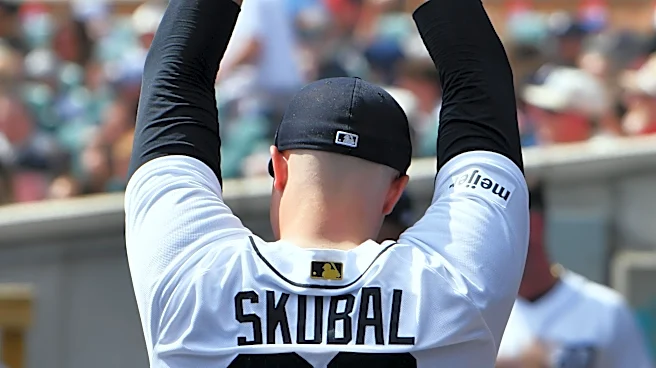
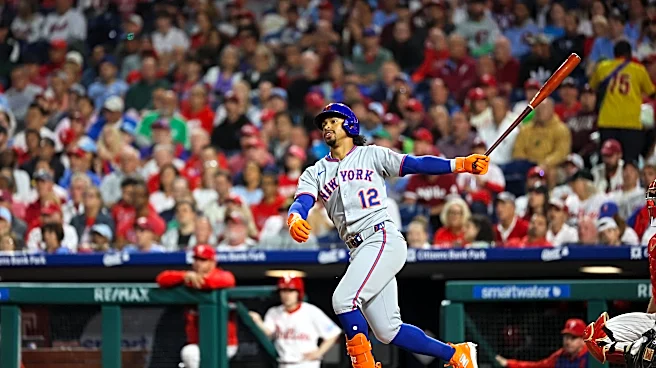
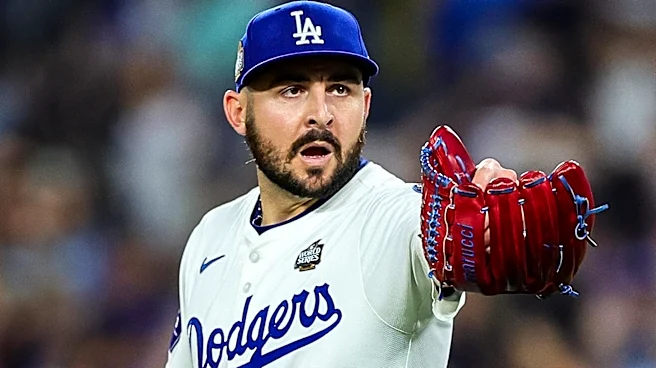
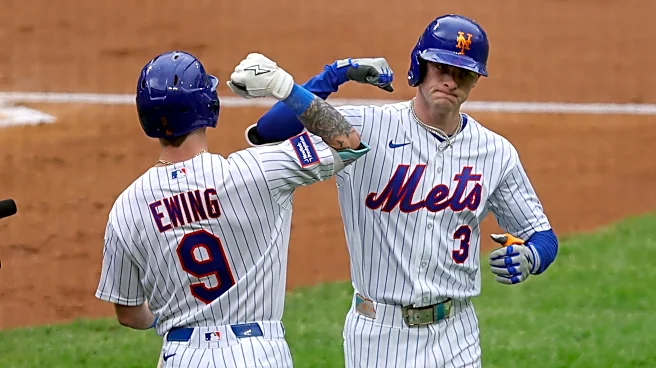
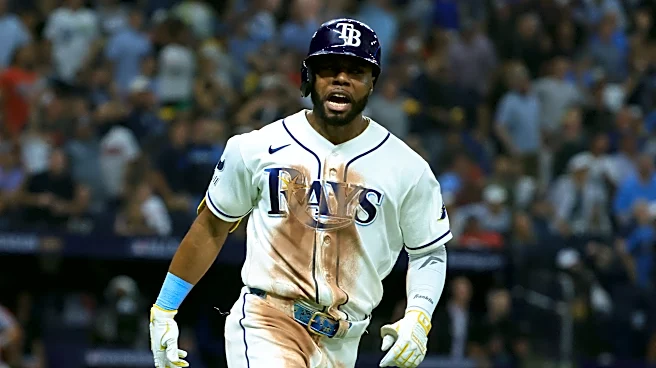
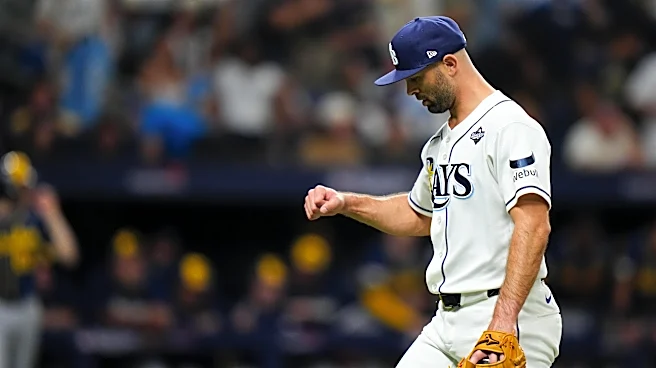
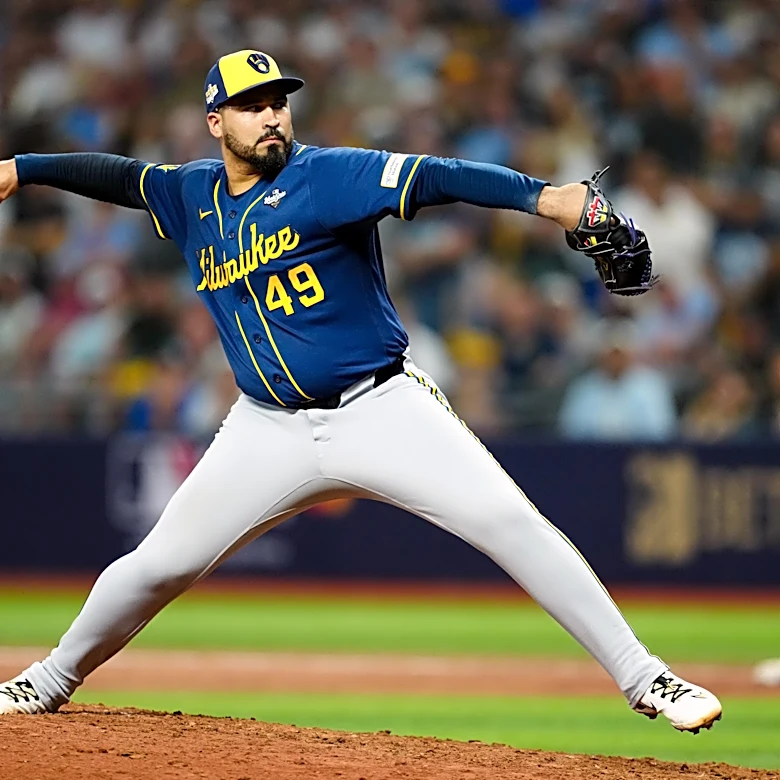
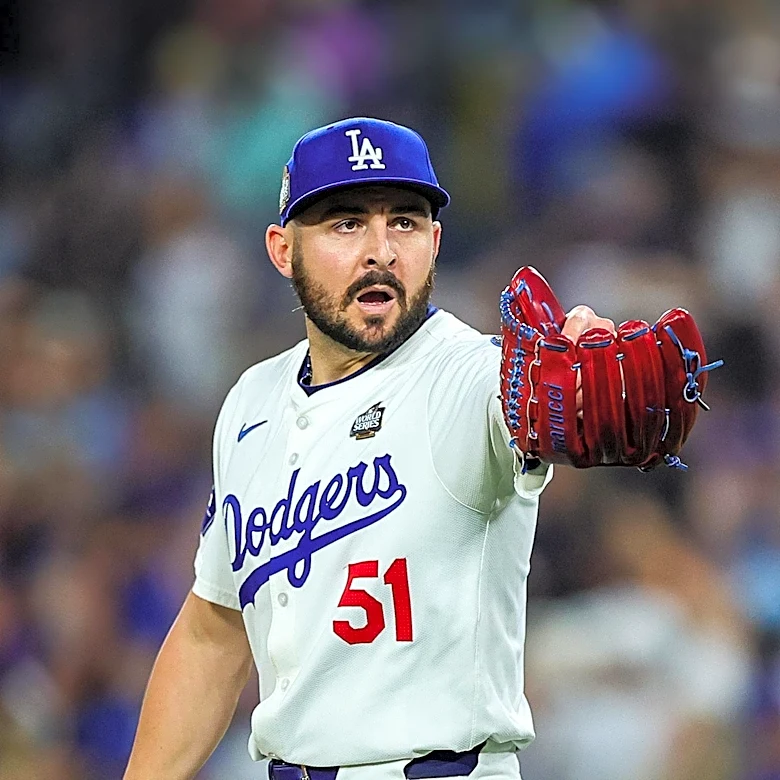
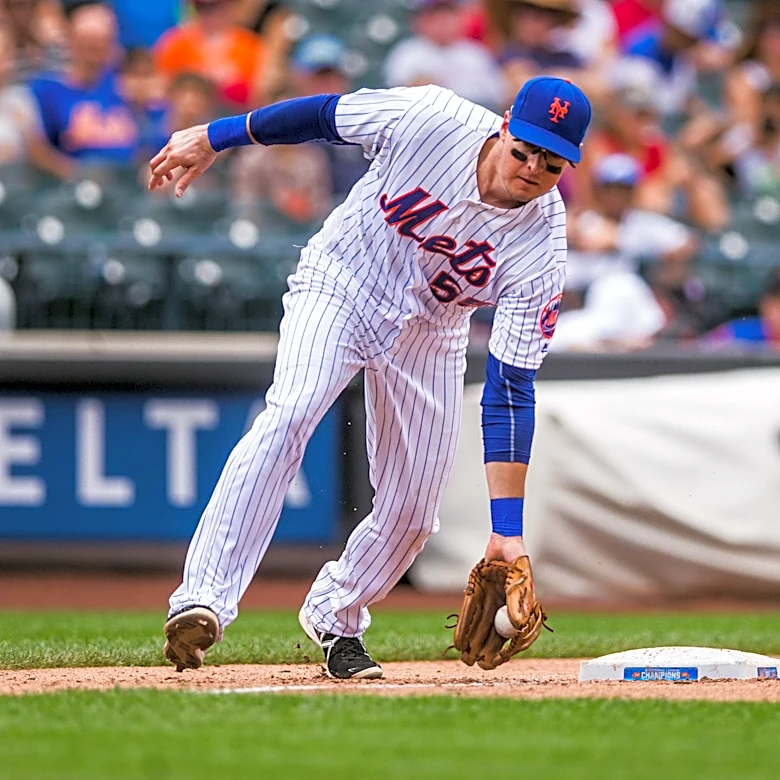
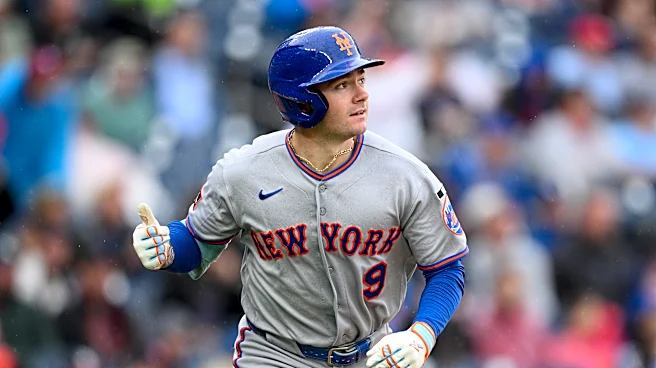
of pitcher Tarik Skubal to a $450 million contract. Additionally, the Mets secured outfielders Carson Benge and A.J. Ewing with eight-year extensions worth $130 million and $95 million, respectively. Other notable pickups include left-handed reliever Alex Vesia for $39 million, reliever Darwinzon Hernandez for $12 million, and first baseman Paul Goldschmidt for $8 million. According to USA Today's Bob Nightengale, the total spending reached $734 million, indicating a strong push to upgrade the team for future seasons.
Why It's Important?
This aggressive spending by the New York Mets signals a clear intent to contend for championships and reflects the financial power of owner Steve Cohen. The substantial investment in long-term contracts for key players like Skubal, Benge, and Ewing aims to establish a stable and competitive core for years to come. This strategy could reshape the competitive landscape of Major League Baseball, particularly in the National League East, by setting a high bar for player acquisition and retention. For fans, it offers renewed hope and excitement, while for other teams, it may intensify the pressure to increase their own spending to keep pace. The Mets' willingness to exceed the Competitive Balance Tax thresholds, often referred to as the 'Cohen tax,' demonstrates a commitment to winning that prioritizes on-field success over financial penalties.
What's Next?
While the major spending splashes may be concluded, the Mets could still make additional roster moves, potentially increasing their total offseason expenditure. The long-term contracts for players like Benge and Ewing, extending through 2034 and beyond, suggest a focus on building a sustainable core. The team's current Competitive Balance Tax (CBT) number is projected to be north of $370 million, significantly above the 2026 top-tier threshold of $304 million. The ongoing negotiations for the next collective bargaining agreement, which could introduce a salary cap by 2028, might necessitate creative strategies from the Mets in the future. However, for the immediate future, the team is poised to leverage its newly acquired talent to improve upon its 74-88 record from the previous season.
Beyond the Headlines
The Mets' unprecedented spending spree highlights a growing trend in professional sports where wealthy owners are increasingly willing to invest massive sums to secure top talent. This approach, while potentially leading to on-field success, also raises questions about competitive balance within MLB. The 'Cohen tax' moniker underscores the financial disparity among teams and the potential for a few deep-pocketed owners to dominate the player market. This could lead to further discussions about revenue sharing, salary caps, and other mechanisms to ensure a more equitable playing field across the league. The long-term implications for player salaries and contract structures could also be significant, as these large deals set new benchmarks for future negotiations.