


What's Happening?
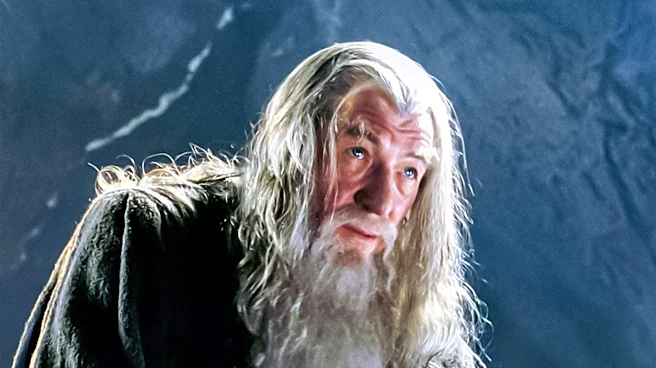
Sir Ian McKellen has revealed one of his deepest life regrets: not coming out as gay to his father before his passing. This candid admission came during a conversation with Dame Judi Dench for an upcoming Sky Arts special, 'Tea with Judi Dench Featuring
Sir Ian McKellen'. McKellen, who publicly came out in 1988 at the age of 48, reflected on a loving 21st birthday letter from his father, Denis Murray McKellen. He pondered whether his father might have been subtly inviting him to open up about his sexuality. McKellen described hiding his true self from his family as 'a waste of time' and stated that this unshared truth remains one of his few regrets. His mother, Margery, died when he was 12 in 1952, and his father passed away in 1964. He also recounted his sister Jean's reaction when he eventually came out to her, noting she had known for years but respected his privacy.
Why It's Important?
Sir Ian McKellen's reflection on his personal journey highlights the enduring societal pressures and internal struggles many individuals face regarding their sexual identity, even in later life. His regret underscores the profound impact that unshared personal truths can have on family relationships and individual well-being. For the LGBTQ+ community, McKellen's story resonates as a testament to the historical context where coming out was often fraught with fear of judgment or rejection, leading to delayed self-acceptance and disclosure. His public advocacy for LGBTQ+ rights, which began after his own coming out, has been a significant force in promoting visibility and challenging prejudice. This personal revelation adds another layer to his public persona, emphasizing the human element behind his activism and offering a relatable experience for those who have faced similar dilemmas.
What's Next?
The conversation between Sir Ian McKellen and Dame Judi Dench will air on August 31 on Sky Arts, Freeview, and NOW. This broadcast is expected to bring further attention to McKellen's personal story and his long-standing advocacy for LGBTQ+ rights. The program will likely spark discussions among viewers about the importance of open communication within families and the ongoing evolution of societal acceptance for diverse sexual orientations. Given McKellen's status as a cultural icon and his history of using his platform for social justice, his candidness may encourage others to reflect on their own experiences and foster greater understanding and empathy. The interview is part of a series where Dame Judi Dench hosts intimate conversations with fellow actors, offering insights into their lives and careers.
Beyond the Headlines
McKellen's regret extends beyond a personal family matter, touching upon broader themes of authenticity, societal expectations, and the psychological burden of concealment. His experience reflects a generational struggle where societal norms often compelled individuals to hide their true identities, leading to missed opportunities for deeper connection and understanding with loved ones. The fact that he wonders if his father was 'saying, is there anything you want to talk to me about?' speaks to the unspoken dialogues and subtle cues that can exist within families, often unaddressed due to fear or societal conditioning. This narrative serves as a powerful reminder of the progress made in LGBTQ+ rights and acceptance, while also highlighting the lingering emotional scars from past eras of prejudice. It underscores the importance of creating environments where individuals feel safe and supported to be their authentic selves.