






What's Happening?
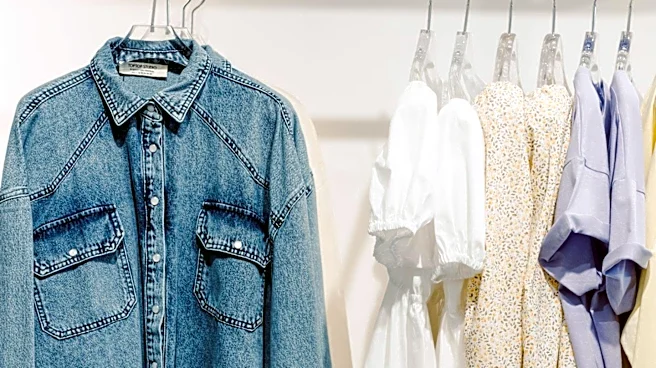
U.S. consumers are increasingly adopting a 'Cost-Per-Use' (CPU) purchasing mindset, moving away from the disposable culture of fast fashion and cheap home goods. This shift is driven by several factors, including fatigue from rapid micro-trends accelerated
by social media, the economic reality of inflation, and growing environmental awareness. Shoppers are now evaluating an item's true value by dividing its purchase price by its anticipated number of uses over its lifetime. This calculation often reveals that seemingly expensive, high-quality items offer a lower CPU than cheaper, short-lived alternatives, leading to a preference for durable goods over fleeting trends.
Why It's Important?
This evolving consumer behavior has significant implications for U.S. retail and manufacturing industries. Brands are being compelled to re-evaluate their product design, marketing strategies, and supply chains to cater to demand for longevity and quality. The emphasis on CPU and underconsumption challenges the traditional fast-fashion model, potentially leading to a decline in sales of low-cost, low-quality goods. Companies that adapt by offering durable products, repair services, and resale options stand to gain, while those clinging to disposable models may struggle. This trend also supports a broader movement towards sustainability and reduced waste in the U.S. economy.
What's Next?
The 'underconsumption' wave is expected to continue growing, particularly among younger generations like Gen Z, who prioritize value, sustainability, and personal style over fleeting trends. Retailers will likely expand in-house resale platforms, offer trade-in credits, and introduce lifetime repair guarantees to justify higher upfront prices for quality goods. Marketing efforts will increasingly highlight material construction, repairability, and longevity. This shift will also boost the secondhand and vintage markets, as consumers seek durable items with a low CPU. The industry will see a continued focus on 'core' product lines built with higher-grade materials, reducing the frequency of micro-collections.
Beyond the Headlines
The embrace of the Cost-Per-Use mindset reflects a deeper cultural reaction against the perceived chaos and wastefulness of modern consumerism. It signifies a return to intentional ownership, where purchases are considered investments rather than impulse buys. This movement has ethical dimensions, as it directly counters the environmental impact of fast manufacturing and landfill accumulation. It also influences personal finance, encouraging more thoughtful spending. The long-term effect could be a more sustainable and economically rational consumer landscape, where quality and durability are valued over sheer quantity and transient trends.