




What's Happening?
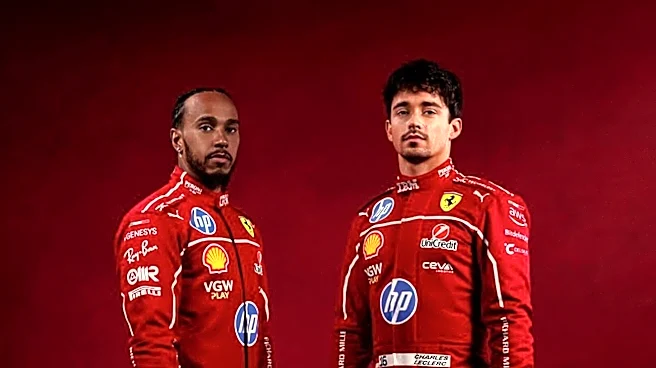
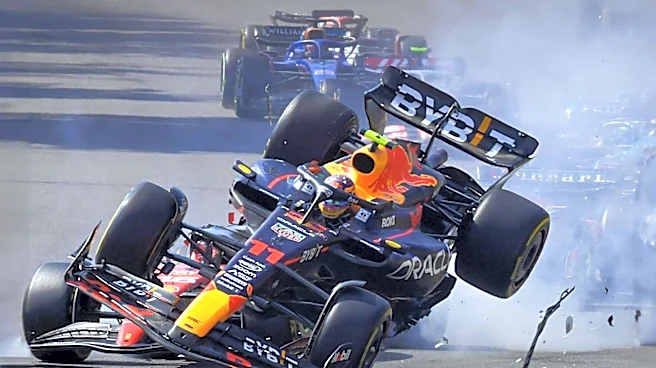
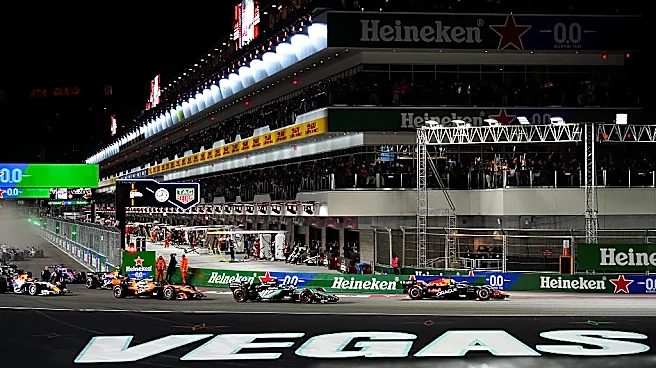
Ferrari is experiencing significant internal challenges due to repeated on-track clashes between its drivers, Lewis Hamilton and Charles Leclerc. These incidents, occurring in recent races in Las Vegas and Mexico, have led to a potential one-two finish
being compromised. Team Principal Fred Vasseur has expressed strong disapproval, citing a lack of respect for the team and deeming the behavior unacceptable. Despite previous talks to resolve the issues, the conflicts have persisted, with Leclerc making a 'clumsy effort' to pass Hamilton in Las Vegas. The team's inability to effectively manage its two highly competitive drivers is under intense scrutiny, especially as they head into the Qatar Grand Prix. The situation is particularly concerning given that Ferrari was not a strong contender for the title in the current season, but the unresolved conflicts could severely impact their performance in future title fights.
Why It's Important?
The ongoing friction between Lewis Hamilton and Charles Leclerc at Ferrari carries significant implications for the team's competitive future in Formula 1. A lack of cohesion between drivers can directly hinder a team's ability to secure constructors' and drivers' championships, as evidenced by McLaren's successful 'papaya rules' in managing their drivers to achieve titles. For Ferrari, a team with a rich history and high expectations, these internal conflicts could lead to a continued drought in championship wins. The financial and reputational costs of such disunity are substantial, potentially affecting sponsorship deals, fan engagement, and the overall morale within the organization. The situation also highlights the delicate balance team principals must strike in fostering competition while maintaining team objectives, a challenge that Vasseur is currently grappling with.
What's Next?
The immediate focus for Ferrari is the Qatar Grand Prix, where the effectiveness of any new management strategies or 'rules of engagement' will be tested on the track. While Hamilton has expressed optimism about recent talks, the history of unresolved issues suggests that a definitive solution is still elusive. Team Principal Fred Vasseur faces the critical task of establishing clear guidelines and ensuring driver adherence to prevent further costly incidents. The outcome of these efforts will determine whether Ferrari can move past these internal struggles and present a united front for future seasons, particularly if they aim to be serious title contenders. Failure to address these conflicts decisively could lead to more serious questions about the viability of the current driver lineup in a championship-winning scenario.
Beyond the Headlines
The recurring clashes between Hamilton and Leclerc at Ferrari underscore a deeper issue within high-stakes competitive environments: the tension between individual ambition and collective success. While both drivers are driven by a desire to win, their inability to consistently prioritize team objectives over personal battles reveals a potential cultural or structural challenge within Ferrari's management. This situation could lead to a re-evaluation of how top-tier racing teams foster collaboration among star athletes, potentially influencing future contract negotiations and team-building strategies across the sport. The ethical dimension of driver conduct, particularly when it impacts team performance, also comes into play, raising questions about accountability and the balance of power between drivers and team management. The long-term implications could extend to how Formula 1 teams approach driver pairings, favoring harmony over raw individual talent if internal strife proves too detrimental.