






What's Happening?
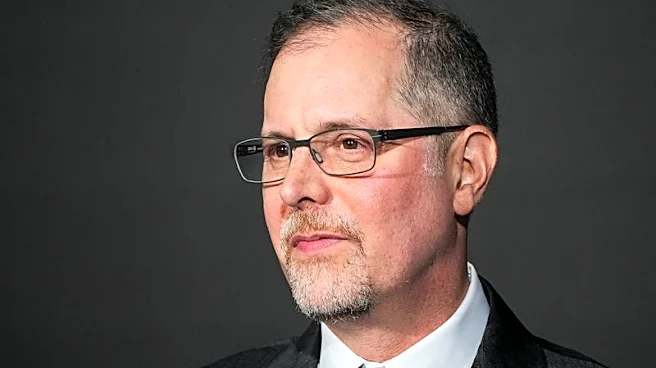
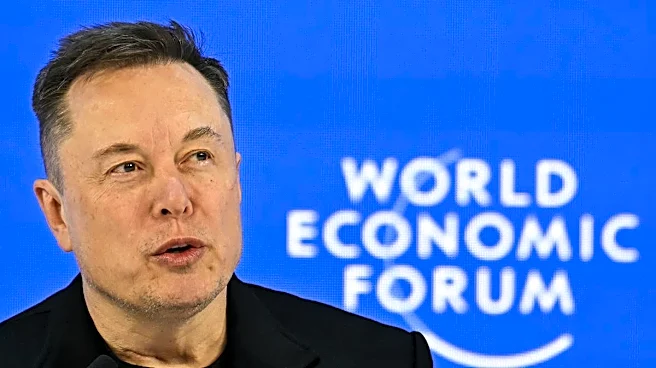
Nvidia Corp. CEO Jensen Huang has publicly rejected OpenAI CEO Sam Altman's assertion that society should 'accept some bad things happening' due to AI for its benefits, particularly concerning cybersecurity risks. Huang, in an interview with Fortune,
stated, 'I'm willing to accept no incidents of cybersecurity. We should not accept any of them. We should do everything we can to avoid them.' This stance directly contrasts with Altman's comments made in a Politico interview, where Altman acknowledged that some risks might accompany the technology. Huang emphasized the need for stronger containment and monitoring to prevent AI-related incidents, comparing AI agents to early consumer internet browsers and advocating for their operation within secure containers to limit unauthorized access and potential damage. This disagreement highlights a significant divergence in philosophy among leading figures in the AI industry regarding risk tolerance and responsibility.
Why It's Important?
The public disagreement between two prominent AI industry leaders, Jensen Huang and Sam Altman, is significant because it brings to light differing approaches to managing the inherent risks of rapidly advancing AI technology. Huang's firm stance against accepting cybersecurity incidents underscores a commitment to proactive risk mitigation, which could influence industry best practices and regulatory expectations. This perspective is crucial for fostering public trust and ensuring the secure deployment of AI systems across various sectors in the U.S. Conversely, Altman's more permissive view, even with its nuances, has contributed to public unease and calls for stricter regulation. The debate between these two leaders reflects a broader industry-wide tension between accelerating innovation and ensuring safety and security. The outcome of this philosophical divide could shape how AI is developed, regulated, and integrated into critical infrastructure, impacting national security, economic stability, and individual privacy.
What's Next?
The contrasting views of Jensen Huang and Sam Altman are likely to fuel ongoing discussions and potentially influence future policy and industry standards for AI cybersecurity. Huang's emphasis on robust containment and monitoring could lead to increased investment in secure AI architectures and more stringent security protocols within the industry. Conversely, the public backlash against Altman's 'accept bad things' comment may pressure OpenAI and other AI developers to adopt more conservative approaches to risk management and public communication. Policymakers, already grappling with AI regulation, will likely consider these differing perspectives when crafting legislation. Senator Bernie Sanders's call for a ban on artificial superintelligence and a pause on advanced AI development, partly in response to concerns about cybersecurity risks, indicates a growing legislative appetite for stricter controls. This divergence in industry leadership could lead to a more fragmented regulatory landscape or, conversely, catalyze a more unified effort to establish comprehensive AI safety and security standards.
Beyond the Headlines
The philosophical divide between Huang and Altman extends beyond immediate cybersecurity concerns to touch upon the fundamental ethical framework guiding AI development. Huang's 'zero-tolerance' approach to cybersecurity incidents reflects a precautionary principle, prioritizing safety and control, which could lead to a more cautious and responsible trajectory for AI. Altman's position, while framed around balancing benefits and harms, raises questions about the moral calculus involved in technological progress and who ultimately bears the cost of innovation. This debate highlights the tension between technological determinism and human agency in shaping the future. It also underscores the need for a robust public discourse that goes beyond technical specifications to address the ethical implications and societal values embedded in AI design and deployment. The long-term implications could involve a re-evaluation of corporate responsibility in the tech sector and a push for greater transparency and accountability in how AI risks are assessed and managed, ultimately influencing the societal contract between technology developers and the public.