

What's Happening?
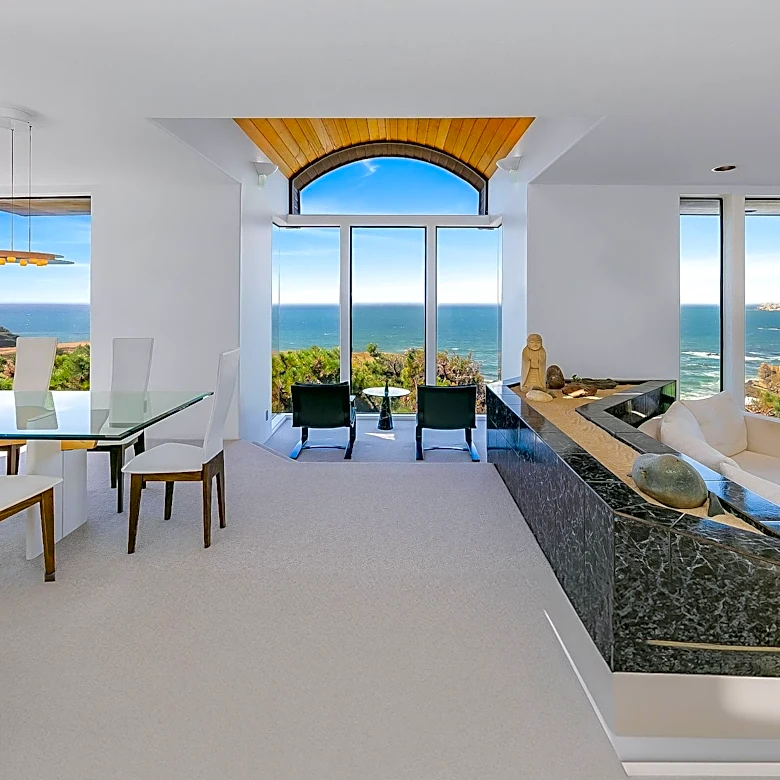
Jennifer Aniston's mid-century modern Bel Air home, designed by architect A. Quincy Jones in 1965, serves as a prime example of integrating black furniture into a bright and airy space. The actress's living room features a bold color palette centered
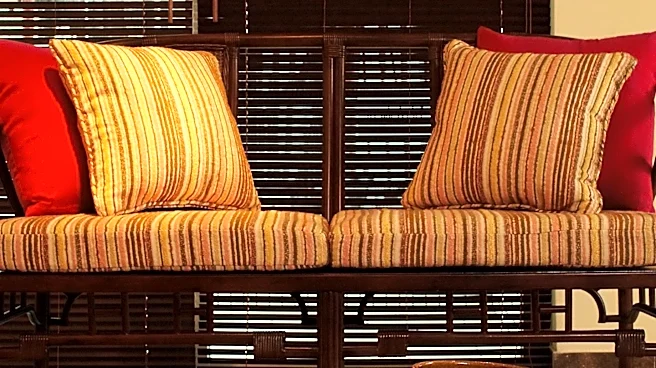
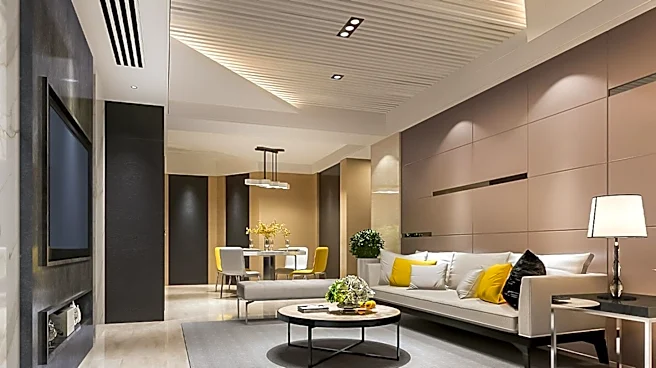
around black, not through paint but through furniture choices, including dark leather seats and sculptures. Despite the dark elements, the room remains bright due to floor-to-ceiling windows and strategic styling. Interior designer Rudolph Diesel emphasizes the use of light-colored accessories, such as cushions and rugs, to balance the dark furniture. Additionally, mirrors and metallic accents are recommended to enhance light reflection, maintaining the room's brightness.
Why It's Important?
The design approach in Aniston's home offers valuable insights for homeowners and interior designers looking to incorporate dark furniture without compromising on light and space. This method demonstrates how to achieve a sophisticated and balanced aesthetic, which can be particularly appealing in modern home design. The use of contrasting colors and reflective surfaces can inspire similar design choices in other homes, potentially influencing trends in interior design. This approach also highlights the importance of natural light and strategic accessory placement in creating a harmonious living environment.
What's Next?
As more homeowners seek to blend bold design elements with practical living spaces, the techniques used in Aniston's home may gain popularity. Designers and homeowners might increasingly adopt these strategies, focusing on color balance and light management. This trend could lead to a broader acceptance of dark furniture in various home settings, encouraging innovation in furniture design and home decor. Additionally, the emphasis on natural light and reflective surfaces may drive demand for homes with large windows and open layouts.
Beyond the Headlines
The design choices in Aniston's home reflect a broader cultural shift towards personalized and expressive home environments. This trend underscores a growing appreciation for unique and bold design elements that reflect individual tastes and lifestyles. As people spend more time at home, the desire for spaces that are both functional and aesthetically pleasing becomes more pronounced. This shift may also influence the real estate market, with potential buyers prioritizing homes that offer both style and practicality.