
What's Happening?
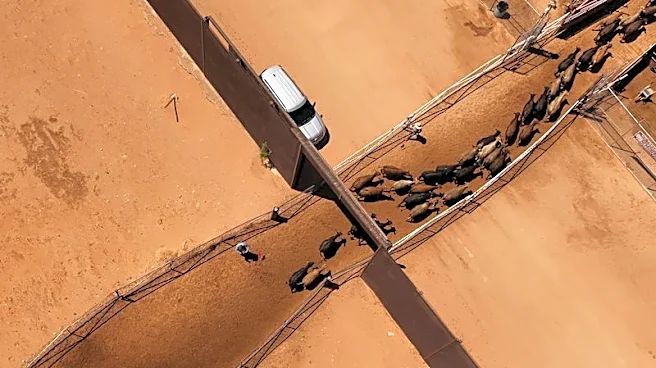
The United States has announced plans to lift a suspension on Mexican cattle imports starting August 24. This decision comes more than a year after the suspension was initially imposed due to concerns
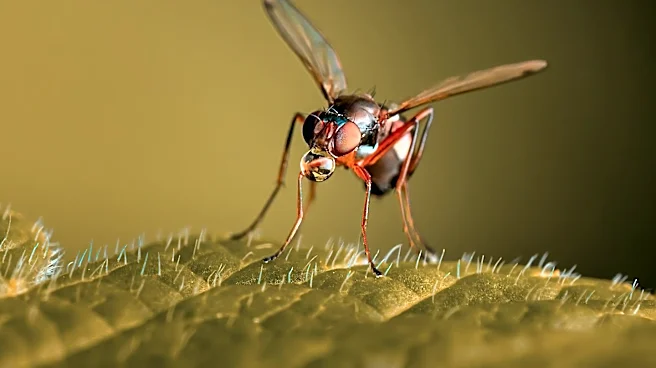
over the spread of the New World screwworm in Mexico. The screwworm, a parasitic fly larva, poses significant threats to livestock, leading to the initial halt in imports. The lifting of the suspension indicates that measures have been taken to control the screwworm outbreak, allowing for the resumption of cattle trade between the two countries.
Why It's Important?
The resumption of Mexican cattle imports is significant for both the U.S. and Mexican agricultural sectors. For the U.S., it means a potential increase in cattle supply, which could stabilize or reduce beef prices for consumers. For Mexico, it represents a restoration of a crucial export market, which is vital for the country's economy and livestock industry. The decision also reflects improved biosecurity measures and cooperation between the two nations in managing agricultural pests and diseases.
What's Next?
As the suspension is lifted, both countries are likely to monitor the situation closely to ensure that the screwworm does not resurface. The U.S. Department of Agriculture and its Mexican counterparts may implement additional inspections and biosecurity protocols to prevent future outbreaks. Stakeholders in the cattle industry will be watching for any changes in trade policies or health regulations that could impact the flow of cattle across the border.