






What's Happening?
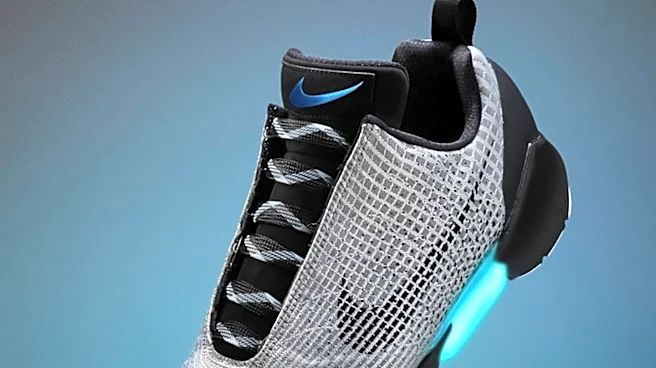
Nike has significantly advanced its AI-powered shopping capabilities by integrating a conversational Nike Running Shoe Finder directly into ChatGPT. This initiative stems from Nike observing consumers already using ChatGPT to search for running shoes.
The Shoe Finder is designed to ask users about their target distance, terrain, and preferences, then recommend specific Nike shoes within a Nike-designed interface, providing a direct path to purchase. This move follows Nike's earlier integration in May with Google’s AI commerce technology, allowing consumers to discover and buy Nike products through Gemini and AI Mode in Google Search. These developments aim to streamline the product discovery and checkout process, meeting athletes where they are already shopping.
Why It's Important?
This strategic shift by Nike is important because it redefines the direct-to-consumer model that running brands have cultivated over the past decade. Historically, brands focused on driving traffic to their own stores, websites, and apps. By embedding its shopping experience within third-party AI platforms like ChatGPT and Google, Nike is adapting to evolving consumer behavior. This approach allows Nike to capture customers at the very beginning of their shopping journey, even if that journey starts outside of Nike's owned channels. It signifies a potential new competitive front for brands, moving beyond traditional shelf space and search engine rankings to becoming the 'answer' within AI conversations. This could set a precedent for how other brands engage with consumers in an increasingly AI-driven retail landscape.
What's Next?
Nike's continued investment in AI-powered shopping suggests a future where product discovery and purchasing are increasingly integrated into conversational interfaces. Other brands are likely to follow suit, exploring similar partnerships with AI platforms to maintain competitiveness. This could lead to a broader trend of 'agentic commerce,' where AI acts as an intermediary in the shopping process. For consumers, this means a more personalized and convenient shopping experience, with AI tools guiding them to products based on detailed preferences. Nike will likely continue to refine its AI tools, potentially expanding the range of products available through these conversational interfaces and further integrating AI into other aspects of its customer engagement strategy.
Beyond the Headlines
The deeper implication of Nike's AI strategy lies in the evolving power dynamics between brands and AI platforms. While Nike gains access to a wider audience, it also cedes some control over the initial customer interaction to platforms like ChatGPT and Google. This raises questions about data ownership, brand identity presentation within third-party interfaces, and the potential for AI platforms to become gatekeepers in the retail ecosystem. It also highlights a philosophical shift: instead of trying to bring customers to their platforms, brands are now bringing their platforms to the customers, wherever they may be. This could lead to a more fragmented but also more ubiquitous brand presence, challenging traditional marketing and sales strategies.