


What's Happening?
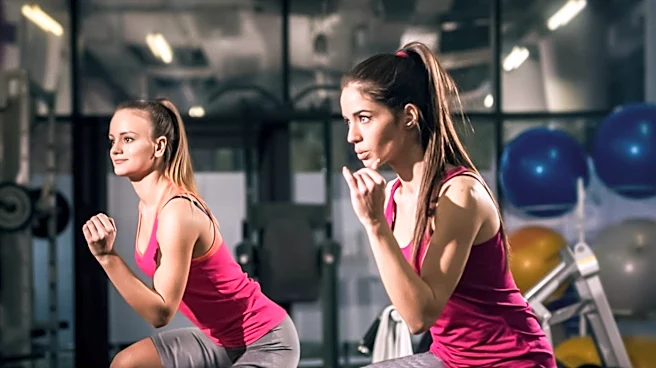
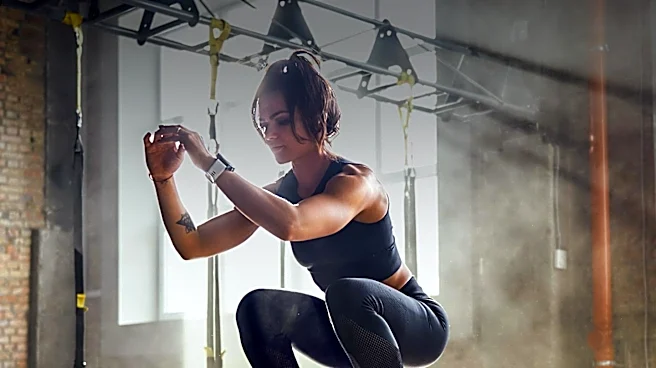
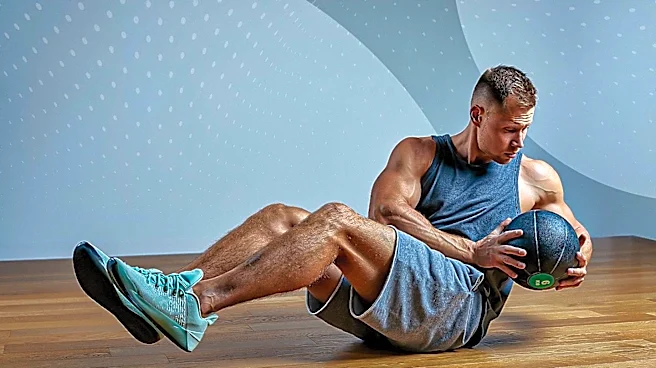
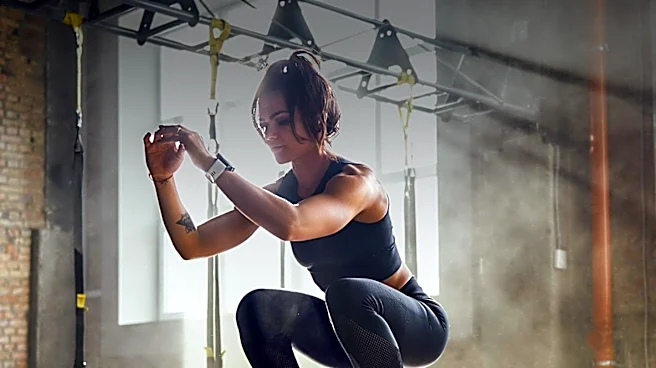
Bodyweight workouts provide an effective and comprehensive approach to fitness, requiring minimal equipment. Exercises such as squats, lunges, push-ups, and planks effectively target major muscle groups. To enhance the range of motion and intensity, individuals
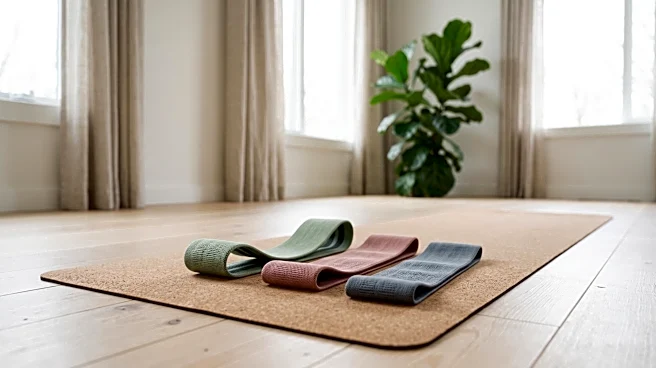
can incorporate resistance bands, mats, or even household items like a backpack filled with books. While bodyweight training can eventually lead to plateaus, creative progression through variations and additional load can extend its benefits. Push-ups are highlighted as a beginner-friendly exercise that can be easily integrated into any routine. The effectiveness of bodyweight exercises stems from their ability to create mechanical tension and metabolic stress, similar to traditional weightlifting, but through different stimuli. Progression can be achieved by altering range of motion, tempo, unilateral loading, and positional shifts, rather than solely relying on external weights. For instance, a pistol squat, a single-leg squat to full depth, can create more mechanical demand than many barbell exercises.
Why It's Important?
The accessibility and versatility of bodyweight workouts are crucial for promoting consistent physical activity among a broad population. By removing barriers such as the need for specialized facilities or extensive equipment, these workouts empower individuals to maintain fitness routines at their convenience, fostering improved health outcomes and stress reduction. This approach is particularly significant in an era where time constraints and travel limitations often hinder adherence to traditional gym memberships. The ability to achieve a comprehensive workout with minimal gear democratizes access to vital health benefits, enabling sustained commitment to physical fitness regardless of external circumstances. Furthermore, bodyweight training often reveals and helps address movement imbalances, leading to improved stability, mobility, and overall resilience, which can prevent injuries and enhance real-world physical demands. The focus on relative strength, the ratio of strength to body weight, translates directly to functional athleticism and stability required in various daily activities.
What's Next?
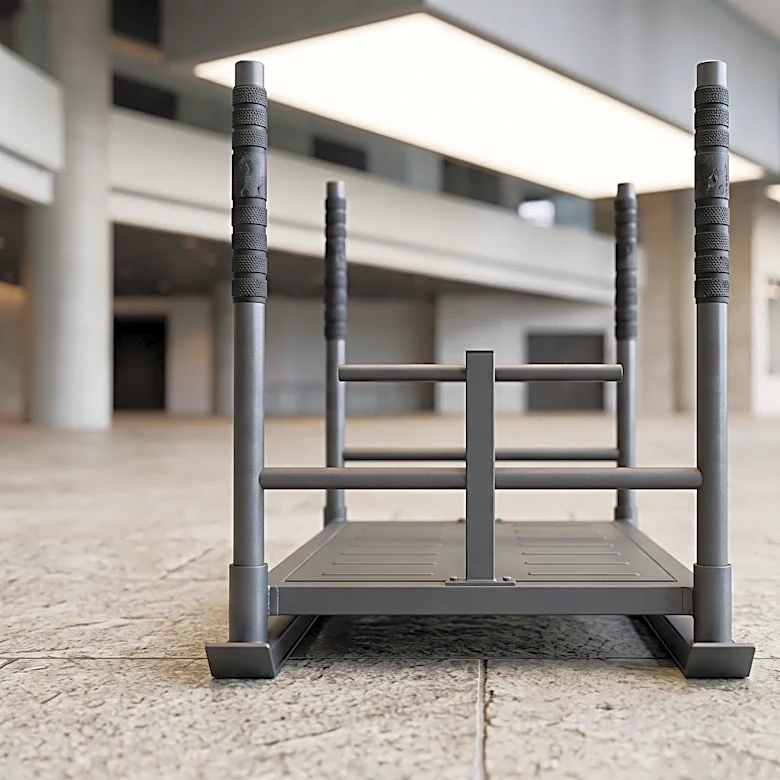
To continue progressing with bodyweight training, individuals will need to creatively adapt their routines to overcome plateaus. This involves exploring advanced variations of exercises, such as single-leg squats or more challenging push-up forms, and incorporating additional load using readily available items like weighted vests or heavy objects. The emphasis will shift towards manipulating leverage, tempo, and range of motion to increase difficulty. For those seeking maximal hypertrophy, eventually adding weighted resistance, such as dip belts or weight vests, may become necessary as bodyweight alone provides a fixed load that can become insufficient for advanced muscle growth stimulation. Additionally, understanding and implementing proper nutrition and recovery strategies, including adequate protein intake, hydration, and sleep, will be critical for supporting muscle repair and neurological recovery, especially as training intensity increases.
Beyond the Headlines
The rise of bodyweight workouts reflects a broader cultural shift towards more accessible, sustainable, and personalized fitness solutions. This trend challenges the traditional gym-centric model, highlighting that effective physical conditioning does not necessarily require expensive equipment or dedicated facilities. It underscores the importance of understanding biomechanics and progressive overload principles, demonstrating that the human body itself is a powerful tool for building strength and endurance. This approach also fosters a deeper connection between individuals and their physical capabilities, encouraging self-reliance and adaptability in fitness journeys. The emphasis on functional strength and injury prevention through bodyweight exercises aligns with a holistic view of health, where physical resilience and well-being are prioritized over mere aesthetic goals. This movement could lead to a more inclusive fitness landscape, making health and wellness achievable for a wider demographic, irrespective of socioeconomic status or access to specialized gyms.