


What's Happening?
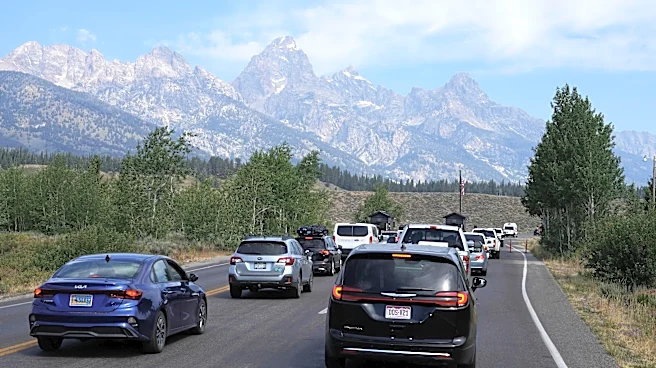
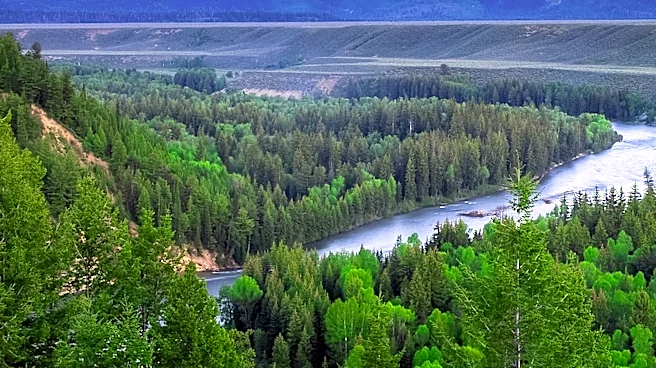
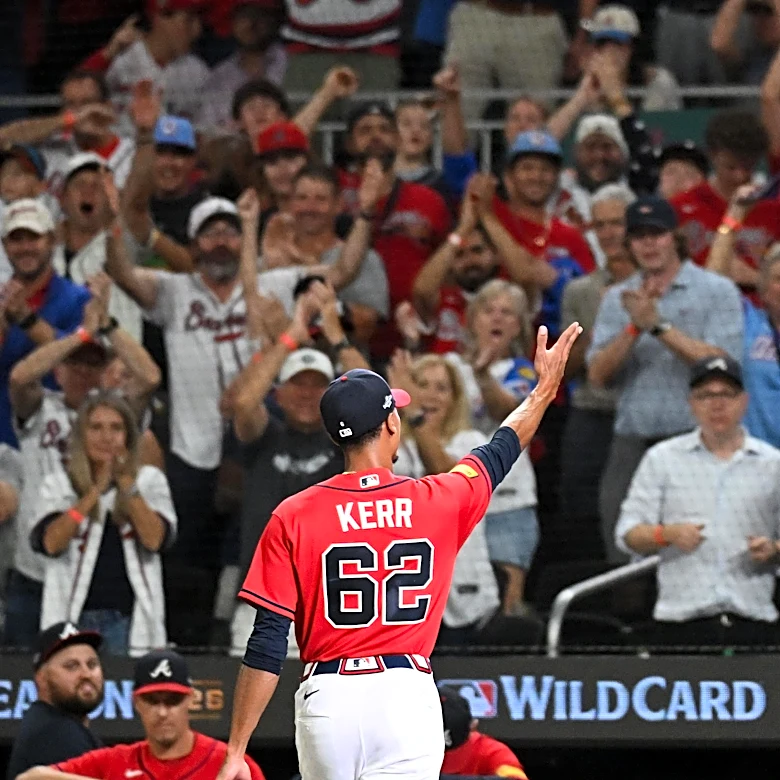
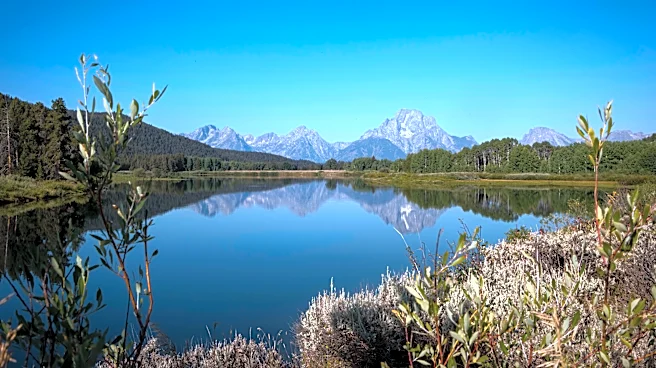
Major League Baseball (MLB) Commissioner Rob Manfred has announced that the league will not consider Grand Teton National Park in western Wyoming as a site for a future game. This decision comes after strong objections from local community leaders, including
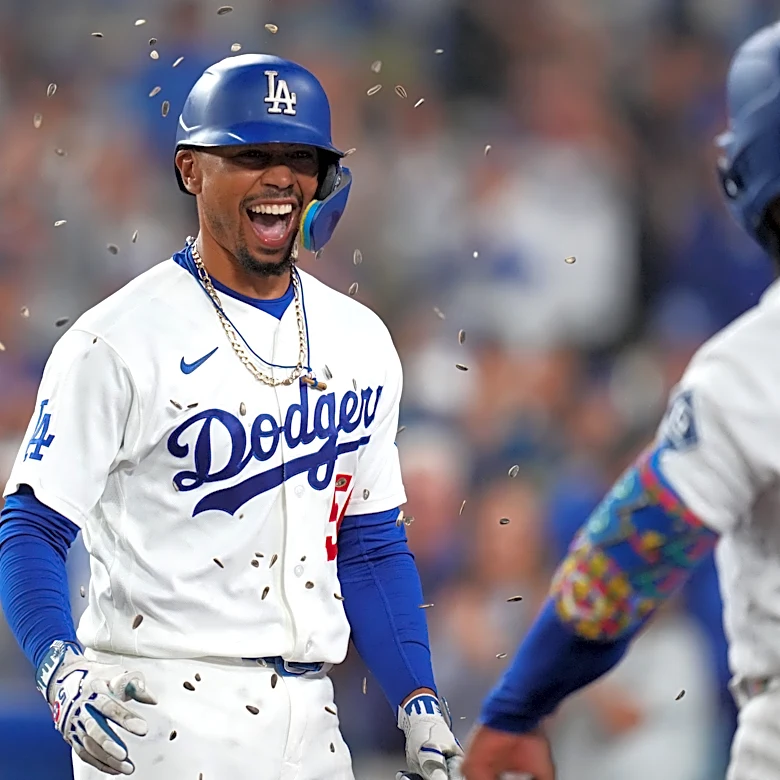
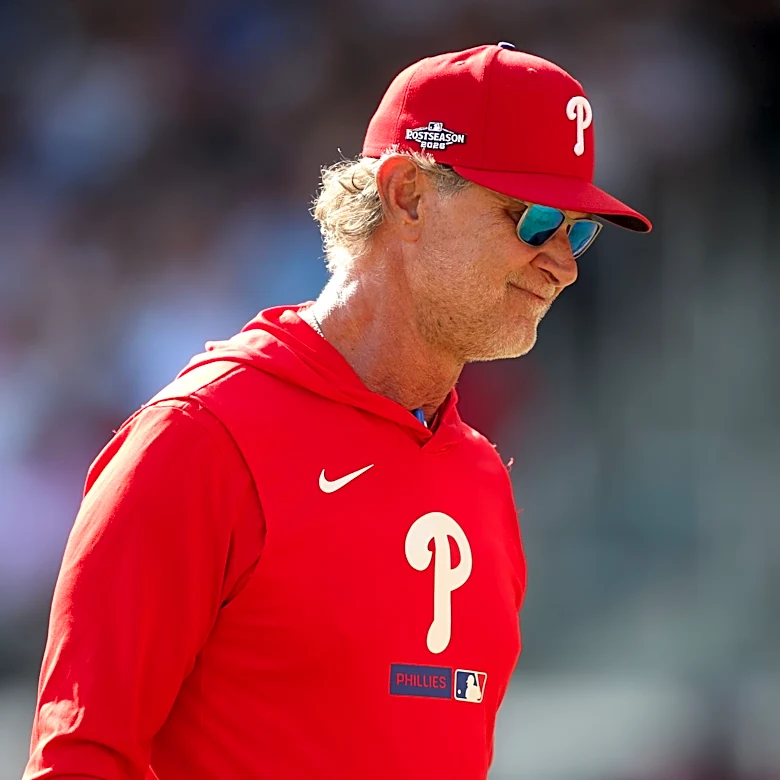
Teton County Commissioner Chair Mark Newcomb, Jackson Mayor Arne Jorgensen, and Jackson Hole Chamber of Commerce President Rick Howe, who voiced their concerns in a letter to Manfred. The initial consideration of Grand Teton National Park as a potential venue was reported by The Washington Post, prompting the community's swift response. Manfred clarified that MLB's team was in the early stages of due diligence for various potential sites and had not yet evaluated environmental impacts or consulted with community members. He stated that MLB would not bring a game to a community that has concerns about the venue, effectively removing Grand Teton National Park from consideration. This follows a trend of MLB playing regular-season games in non-traditional venues, such as the 'Field of Dreams' site in Iowa.
Why It's Important?
This decision highlights the significant influence of local community sentiment on large-scale commercial ventures, even those involving popular national pastimes like MLB. The swift and unified opposition from Teton County officials and the Jackson Hole Chamber of Commerce demonstrates the power of local stakeholders in protecting their environment and community interests. For MLB, it underscores the necessity of early and thorough community engagement in site selection processes, especially when considering environmentally sensitive or culturally significant locations. The National Parks Conservation Association, through Allison Michalski, praised the decision, emphasizing the park's existing value as a 'field of dreams' for nature and wildlife. This event sets a precedent for how major organizations might approach future unconventional venue selections, prioritizing community acceptance and environmental considerations over potential novelty or commercial gain. It also reinforces the idea that national parks are primarily preserved for their natural and cultural resources, not as venues for professional sports, unless explicitly aligned with their conservation mission.
What's Next?
Following this decision, MLB will likely continue its search for alternative non-traditional venues for future games, with a renewed emphasis on community consultation and environmental impact assessments from the outset. The league may now prioritize locations where local support is either pre-existing or can be more readily cultivated. For communities near other potential unconventional sites, this outcome could empower them to voice their concerns more assertively if similar proposals arise. The National Parks Conservation Association and other environmental groups will likely remain vigilant regarding any future proposals for commercial events within national parks, advocating for the protection of these natural spaces. MLB's future 'special' games will likely be held in locations that can accommodate large events with minimal environmental disruption and strong local backing, similar to the 'Field of Dreams' game which was set in a more agriculturally focused area with a different community dynamic.
Beyond the Headlines
The incident with Grand Teton National Park touches upon the broader tension between commercial entertainment and environmental preservation, particularly within the context of national parks. While MLB sought to create a unique spectacle, the community's reaction underscored the deeply held value of these natural spaces as sanctuaries rather than commercial venues. This situation prompts a re-evaluation of how public lands, especially those with protected status, are perceived and utilized. It highlights the ethical considerations involved when private entities propose activities that could alter the character or impact the ecology of such areas. The 'roar of the crowd' against the proposal signifies a collective guardianship over national treasures, suggesting that the public views these parks as more than just scenic backdrops, but as vital ecosystems and cultural heritage sites that demand careful stewardship. This event could influence future policy discussions regarding commercial activities within national parks and protected areas across the U.S., emphasizing conservation over commercial exploitation.